Coffee Farm
Latest articles, industry insights and brewing guides
Fine coffee mocha coffee producing area Coca Cauca coffee beans
Coffee beans from coffee hometown. Before the 6th century AD, Yemen was called Arabia, so coffee trees shipped from Yemen to other places were also called Arabian coffee trees. But the origin of these trees is Ethiopia, and the Dutch spread these coffee trees around the world. Dutch merchants sailing eastward around the Cape of good Hope (The Cape Of Good Hope)
Fine coffee mocha coffee treatment method honey treatment
Coffee beans from coffee hometown. Before the 6th century AD, Yemen was called Arabia, so coffee trees shipped from Yemen to other places were also called Arabian coffee trees. But the origin of these trees is Ethiopia, and the Dutch spread these coffee trees around the world. Dutch merchants sailing eastward around the Cape of good Hope (The Cape Of Good Hope)
Fine Coffee Mocha Coffee Processing Method Honey Processing
Coffee beans from coffee's hometown. Yemen was known as Arabia until the 6th century AD, so coffee trees transported from Yemen to other places were also called Arabic coffee trees. But the origin of these trees is Ethiopia, and it was the Dutch who spread these coffee trees around the world. Dutch traders sailing east around the Cape Of Good Hope
Boutique coffee mocha coffee flavor floral, apple, walnut, sugar cane
Coffee beans from coffee hometown. Before the 6th century AD, Yemen was called Arabia, so coffee trees shipped from Yemen to other places were also called Arabian coffee trees. But the origin of these trees is Ethiopia, and the Dutch spread these coffee trees around the world. Dutch merchants sailing eastward around the Cape of good Hope (The Cape Of Good Hope)
Fine coffee mocha coffee producing area mocha coffee manor
Coffee beans from coffee hometown. Before the 6th century AD, Yemen was called Arabia, so coffee trees shipped from Yemen to other places were also called Arabian coffee trees. But the origin of these trees is Ethiopia, and the Dutch spread these coffee trees around the world. Dutch merchants sailing eastward around the Cape of good Hope (The Cape Of Good Hope)
Fine coffee mocha coffee origin mocha coffee practice
Coffee beans from coffee hometown. Before the 6th century AD, Yemen was called Arabia, so coffee trees shipped from Yemen to other places were also called Arabian coffee trees. But the origin of these trees is Ethiopia, and the Dutch spread these coffee trees around the world. Dutch merchants sailing eastward around the Cape of good Hope (The Cape Of Good Hope)
Fine coffee mocha coffee features mocha coffee introduction coffee beans
Coffee beans from coffee hometown. Before the 6th century AD, Yemen was called Arabia, so coffee trees shipped from Yemen to other places were also called Arabian coffee trees. But the origin of these trees is Ethiopia, and the Dutch spread these coffee trees around the world. Dutch merchants sailing eastward around the Cape of good Hope (The Cape Of Good Hope)
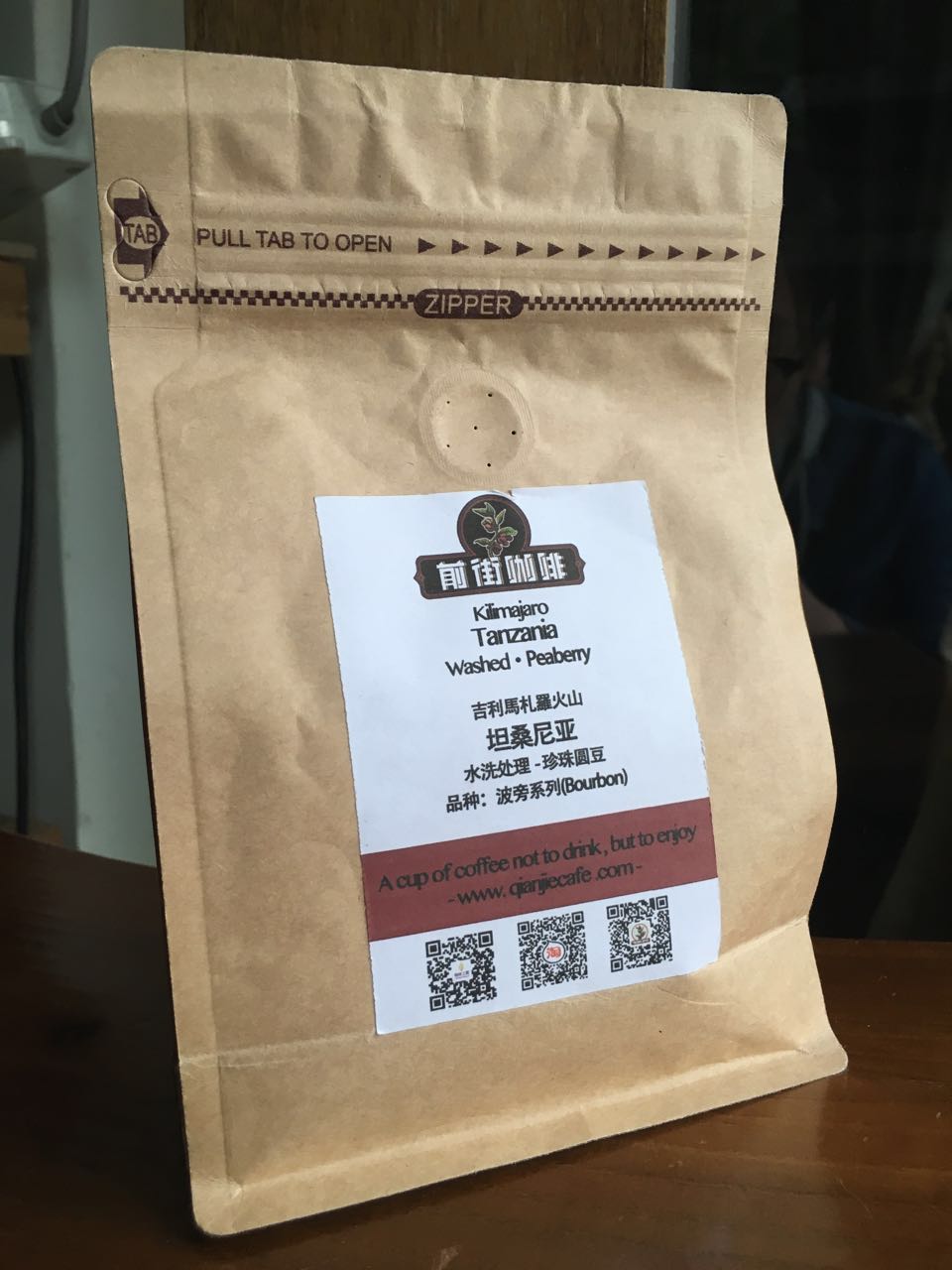
Boutique Coffee in Tanzania Coffee production area in the northern highlands of Kilimanjaro Volcano
Gourmet coffee has soft acidity and attractive aroma, which is absolutely worth enjoying. Coffee exports from Tanzania (Tanzania) play an important role in the whole national economy. Bean-shaped berry coffee is very productive and is said to be more fragrant than ordinary coffee. Generally speaking, the coffee beans in Tanzania have an extraordinary quality. For example, in the neighborhood of Kilimanja
Fine Coffee Tanzania Coffee Flavor Apricot, Date, Spice, Malt Chocolate
Gourmet coffee is soft in acidity, inviting in aroma and an absolute value treat. Tanzania's coffee exports occupy an important position in the overall national economy. Bean berry coffee is produced in large quantities and is said to be stronger than regular coffee. Generally speaking, Tanzanian coffee beans are of exceptional quality. For example, near Kilimanja
High-quality coffee Tanzania coffee treatment method washing
Gourmet coffee has soft acidity and attractive aroma, which is absolutely worth enjoying. Coffee exports from Tanzania (Tanzania) play an important role in the whole national economy. Bean-shaped berry coffee is very productive and is said to be more fragrant than ordinary coffee. Generally speaking, the coffee beans in Tanzania have an extraordinary quality. For example, in the neighborhood of Kilimanja
Boutique coffee Tanzania coffee manor Tanzania coffee producing area
Gourmet coffee has soft acidity and attractive aroma, which is absolutely worth enjoying. Coffee exports from Tanzania (Tanzania) play an important role in the whole national economy. Bean-shaped berry coffee is very productive and is said to be more fragrant than ordinary coffee. Generally speaking, the coffee beans in Tanzania have an extraordinary quality. For example, in the neighborhood of Kilimanja
Boutique coffee of Tanzanian origin Tanzanian coffee practice
Gourmet coffee has soft acidity and attractive aroma, which is absolutely worth enjoying. Coffee exports from Tanzania (Tanzania) play an important role in the whole national economy. Bean-shaped berry coffee is very productive and is said to be more fragrant than ordinary coffee. Generally speaking, the coffee beans in Tanzania have an extraordinary quality. For example, in the neighborhood of Kilimanja
Boutique coffee Tanzania Coffee Origin introduction to Tanzania Coffee
Gourmet coffee has soft acidity and attractive aroma, which is absolutely worth enjoying. Coffee exports from Tanzania (Tanzania) play an important role in the whole national economy. Bean-shaped berry coffee is very productive and is said to be more fragrant than ordinary coffee. Generally speaking, the coffee beans in Tanzania have an extraordinary quality. For example, in the neighborhood of Kilimanja
Boutique coffee Rwanda coffee producing area in the western province of Lutexilo
Rwandans have been growing coffee since colonial times, but until 1999, its products were still classified as below Class C and were not popular in the global market. The reason for the poor quality is that farmers do not have a fixed procedure for washing coffee beans and do not process coffee fruits according to specifications in time. Buyers buy coffee beans at $0.33 per kilogram, and farmers keep warm by the meagre profits earned at low prices.
Boutique coffee Rwanda coffee flavor red apple, cherry, cinnamon, honey
Rwandans have been growing coffee since colonial times, but until 1999, its products were still classified as below Class C and were not popular in the global market. The reason for the poor quality is that farmers do not have a fixed procedure for washing coffee beans and do not process coffee fruits according to specifications in time. Buyers buy coffee beans at $0.33 per kilogram, and farmers keep warm by the meagre profits earned at low prices.
Fine coffee Rwanda coffee treatment method washing, elevated scaffolding sun drying
Rwandans have been growing coffee since colonial times, but until 1999, its products were still classified as below Class C and were not popular in the global market. The reason for the poor quality is that farmers do not have a fixed procedure for washing coffee beans and do not process coffee fruits according to specifications in time. Buyers buy coffee beans at $0.33 per kilogram, and farmers keep warm by the meagre profits earned at low prices.
Fine coffee Rwanda coffee manor Rwanda coffee producing area
Rwandans have been growing coffee since colonial times, but until 1999, its products were still classified as below Class C and were not popular in the global market. The reason for the poor quality is that farmers do not have a fixed procedure for washing coffee beans and do not process coffee fruits according to specifications in time. Buyers buy coffee beans at $0.33 per kilogram, and farmers keep warm by the meagre profits earned at low prices.
Boutique coffee Rwanda coffee origin Rwanda coffee practice
Rwandans have been growing coffee since colonial times, but until 1999, its products were still classified as below Class C and were not popular in the global market. The reason for the poor quality is that farmers do not have a fixed procedure for washing coffee beans and do not process coffee fruits according to specifications in time. Buyers buy coffee beans at $0.33 per kilogram, and farmers keep warm by the meagre profits earned at low prices.
Fine coffee Rwanda Coffee characteristics introduction to Rwanda Coffee
Rwandans have been growing coffee since colonial times, but until 1999, its products were still classified as below Class C and were not popular in the global market. The reason for the poor quality is that farmers do not have a fixed procedure for washing coffee beans and do not process coffee fruits according to specifications in time. Buyers buy coffee beans at $0.33 per kilogram, and farmers keep warm by the meagre profits earned at low prices.
Boutique Coffee Kenya Coffee producing area Nyeri Central Mountain area
Rare good coffee-famous for its rich aroma and balanced acidity. People in the coffee industry all think that Kenyan coffee is one of its favorite products, because Kenyan coffee contains every feeling we want from a good cup of coffee. It has wonderful and satisfying aromas, well-balanced acidity, well-proportioned particles and excellent fruit flavors. "