
Coffee Farm
Latest articles, industry insights and brewing guides

Ethiopia’s Four Coffee Cultivation Systems Explained
Learn how Ethiopia’s forest, semi-forest, garden, and plantation coffee systems shape production and flavor, from wild growth to modern farming.

Ecuador Coffee Origins and Flavor Profile Explained
Discover Ecuador’s premium No.1 and Extra Superior coffee grades, grown in the Andes and Galápagos, known for balanced acidity and unique aroma.

Vietnam’s Coffee Origins: From French Roots to Global Rank
Vietnam is now the world’s second-largest coffee producer, led by robusta—but how did it get there? Here’s the history and bean breakdown.

Papua New Guinea Coffee: Origins & Flavor Profile
Learn why Papua New Guinea produces unique high-altitude coffee, its history, and what makes its flavor stand out among specialty coffees.

Ethiopia’s Keffa Region: Birthplace of Specialty Coffee
Explore Ethiopia’s Keffa region, the origin of coffee, where diverse highland microclimates produce unique flavor profiles in over 140 farms.

Finca Las Lajas Alma Negra: Costa Rica Natural Process Coffee
Learn about Finca Las Lajas' Alma Negra, a natural-process coffee from Costa Rica’s Central Valley with fermented berry and dried fruit flavors.

Nicaragua’s Paloma Coffee: A Well-Rounded SHG EP from Anjing Estate
Learn why Paloma from Trisum Anjing Estate in Nicaragua is a beginner-friendly, well-roasted SHG EP coffee with balanced acidity and depth.

Natal Coffee Region in South Africa: Flavor & Facts
South Africa’s Natal region produces aromatic, low-acid coffee reminiscent of Central America. Find out where it grows and why it tastes different.

São Tomé and Príncipe: Africa’s Hidden Coffee Gem
This tiny island nation produces just 1,000 bags yearly of mild, complex Arabica coffee—most exported to Scandinavia.

Mexico’s Liquidambar MS: A Rare Single-Origin Coffee Bean
Discover the smooth, aromatic Liquidambar MS coffee from Mexico — a rare giant bean grown in the country’s southern highlands.

How Martinique Gave Birth to Coffee in the Americas — Then Lost It
Martinique hosted the first coffee tree in the Western Hemisphere in 1723. By 1777 it had nearly 19 million trees — yet today barely grows coffee at all.

Honduras Coffee: What Makes Its Single Origins Special?
Learn why Honduran coffee is prized for its acidity and why elevation grades—medium, superior, and premium—affect its quality and flavor.

Guatemala Antigua Coffee: Bold, Balanced, and Volcanic
Discover why Antigua-grown Guatemalan coffee is prized for its bold, spicy flavor and balanced acidity, grown in volcanic soil at high altitudes.

Ethiopia's Specialty Coffee Origins and Varieties
Discover Ethiopia's role as coffee’s birthplace, its diverse cultivation methods, and the unique profiles of its lesser-known single-origin coffees.

Guadeloupe’s Historic Bonifieur Coffee: What Happened?
Once a major coffee producer, Guadeloupe now grows coffee on just 150 hectares. Learn why production collapsed and what remains of its famed Bonifieur beans.

Ethiopian Sidamo Coffee: Washed vs Natural Process Guide
Explore Sidamo’s washed and natural Ethiopian coffees, with flavor profiles, altitude details, and processing differences explained.
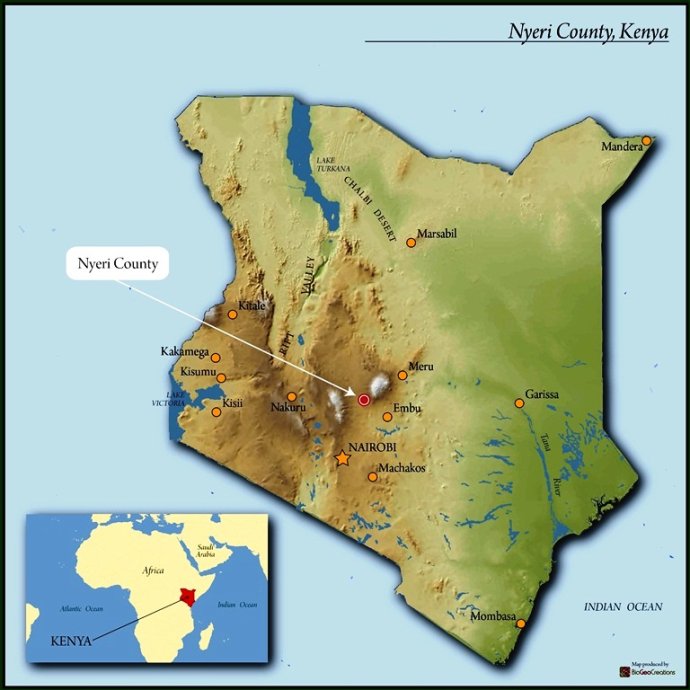
Kenya AA Nyeri Gatomboya: Bold and Juicy Specialty Coffee
Explore the bright, complex profile of Kenya AA Nyeri Gatomboya: SL28, SL34 & Ruiru 11 grown at 1750–1900m with classic Kenyan fruit and caramel notes.

Narino Coffee Region: Colombia’s First Protected Origin
Colombia’s Narino region is the country’s first Denomination of Origin-protected coffee zone, famed for high-altitude, award-winning washed coffees.
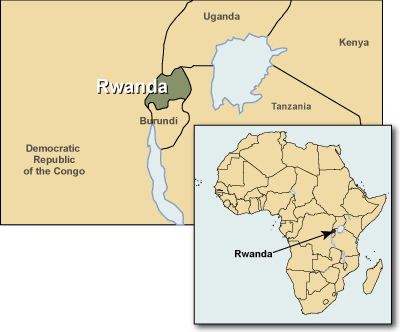
Rwanda Bourbon Washed Coffee: Wild Grass & Citrus Notes
Explore Rwanda’s signature washed Bourbon coffee: bright acidity, citrus sweetness, and wild grass aroma from 1,200–1,800m high in Butare.

Ethiopian Harar Mokha: Complex Natural Process Coffee
Explore the bold, fruity, and winey notes of Ethiopia’s Harar Mokha, a natural-processed coffee with balanced acidity and deep complexity.