
Coffee Farm
Latest articles, industry insights and brewing guides

What Makes Rwandan Coffee Unique in Specialty?
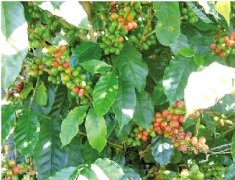
Rwandan coffee is known for its balanced profile, grown mostly from Bourbon at high altitudes, often with a soft, fruity, and floral cup.
Bali’s Kintamani Volcano Natural Process Coffee
This high-elevation Indonesian natural offers ripe peach, pineapple, and black sugar—crafted by FrontStreet’s team in Ubud.
Kenya Nyeri Central Highlands: Rare Coffee Gem
Kenya’s Nyeri Central Highlands produces rare coffee prized for its rich aroma, balanced acidity, and vibrant fruit flavors—here’s why it stands out.
The Origins and Processing of Kenya Specialty Coffee
Kenya produces some of the world’s best specialty coffee—bright acidity, intense fruitiness, and high cup quality, grown at altitude with strict processing standards.
How Kenya Coffee Is Washed: Process Behind Its Bright Acidity
Learn how Kenya’s legendary washed coffee is processed — including 48-hour fermentation and double soak steps that define its fruit-forward profile.

What Makes Kenyan Coffee So Unique? Flavor & Heritage Explained
Kenyan coffee is prized for its bright acidity, complex fruit flavors, and rich floral aromas. Learn why it’s among the most sought-after beans globally.

What Makes Kenyan Coffee So Special?
Kenyan coffee is famed for its vibrant acidity, rich fruitiness, and meticulous processing. Learn why it’s a favorite among specialty roasters worldwide.
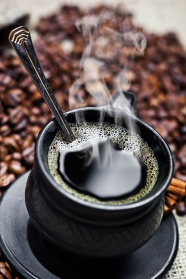
What Makes Kenyan Coffee So Special?
Kenyan coffee stands out for its bright acidity, rich fruit flavors, and floral wine-like notes, all grown at high altitudes under strict quality controls.
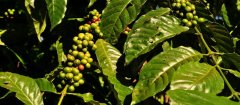
How Bali’s Specialty Coffee Scene Is Evolving
Discover how a team in Ubud is elevating Bali’s coffee reputation with Q-certified quality control and local-origin roasting.
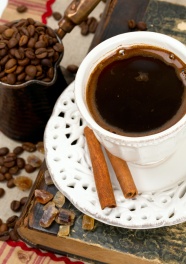
Yirgacheffe’s Gediyo: Ethiopia’s Hidden Coffee Gem
Explore the origins of Yirgacheffe coffee in Ethiopia’s Gediyo region, known for high-altitude cultivation and unique floral, citrus profiles.

Ethiopian Natural Process: How Sun-Dried Coffee Is Made
Learn how Ethiopia produces some of the world’s best sun-dried coffee, with unique flavor profiles shaped by high altitudes and traditional methods.
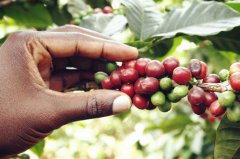
Papua New Guinea Chiming Estate Peaberry Coffee
Discover the bright, fruity profile of Papua New Guinea’s peaberry coffee, grown over 1200m and processed using washed methods.

Ethiopian Coffee Flavors: Winey, Citrusy & Sweet Spices
Explore Ethiopia’s signature light, winey, citrus, and spice-toned coffee profiles—wild-grown origins, high elevations, and unique processing define its delicate sweetness.
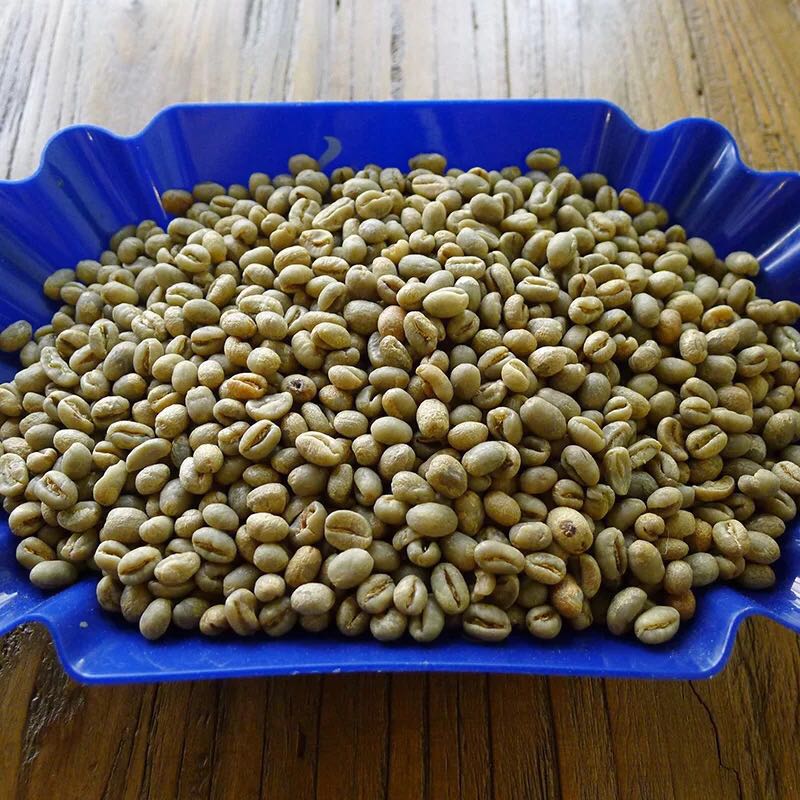
Ethiopia’s Coffee Origins: Key Regions and Varieties
Discover Ethiopia’s role as coffee’s birthplace, its wild-growing trees, key regions like Yirgacheffe and Sidamo, and why its beans rarely suit dark roasts.
Where Ethiopian Coffee Comes From and How It’s Made
Discover Ethiopia’s role as the birthplace of coffee, its unique growing regions, and traditional processing methods that shape its iconic flavors.
What Makes Ethiopian Coffee Unique? Specialty Bean Guide
Explore Ethiopia’s role as coffee’s birthplace, its wild-growing varieties, and why its high-altitude beans deliver floral, citrusy, and wine-like flavors.
Sumatra Mandheling Coffee: What Makes It Unique
Discover the two key regions behind Indonesia’s legendary Mandheling coffee—Lake Toba and Lake Takengon—and what sets their profiles apart.
Colombian Geisha: Berries, Honey, Vanilla, and Juice Sweetness
Discover how Colombia’s Finca La Esperanza pioneered Geisha cultivation and earned global acclaim for its berry, honey, and vanilla-toned coffees.

How Colombia’s Hope Estate Became a Geisha Pioneer
Discover how Colombia’s Finca La Esperanza defied the odds to grow award-winning Geisha coffee, pioneering high-altitude cultivation in the country.

How Colombia’s Cauca Valley Grew World-Class Geisha Coffee
Hope Estate in Colombia’s Cauca Valley turned to Geisha after others focused on yield. Their 2012 triple top-10 finish at the Cup of Excellence proved the gamble paid off.