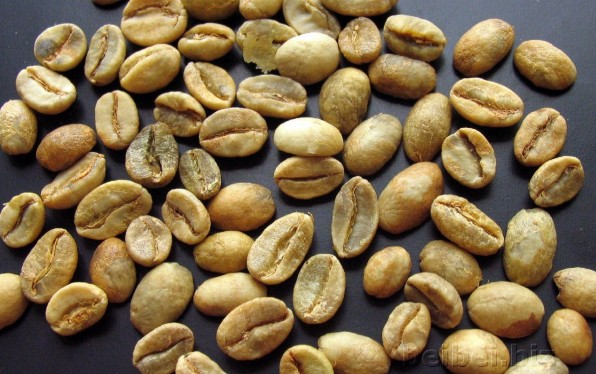
Indonesia Java Robusta Coffee Beans Explained
Ever wonder why Java coffee no longer tastes like the refined, winey Arabica many once sought out — and instead often comes off as earthy, heavy, or even tea-like? That shift isn’t accidental. In the early 1970s, the majority of the Dutch-introduced Arabica trees on Java were cut down and replaced with Robusta varieties. The result? A dramatic transformation in the island’s coffee profile.
In short: Java stopped growing most of its iconic Arabica in the 1970s, switching to Robusta. What remains of its Arabica, like the famous Djampit estate, still shows more acidity and lighter body than other Indonesian coffees — but the region is now dominated by Robusta.
Why Did Java’s Coffee Profile Change?
In the early 1970s, Java — once known for its Dutch-grown Arabica — made a massive agricultural shift. Most of those Arabica plantations were removed, and Robusta was planted in their place. This decision redefined Java’s coffee identity. Where Arabica had offered delicate acidity and complex aromatics, the new Robusta-dominant profile became heavier, oilier, and developed a distinctive grainy or "barley tea" note that persists in many Java coffees today.
What Remains of Java Arabica?
Not all Arabica was lost. A few historic estates survived the shift, with Djampit being the most renowned. These remaining Arabica lots still carry traits distinct from the dominant Robusta: they show more noticeable acidity and a lighter mouthfeel compared to other Indonesian coffees. While they may share some underlying Indonesian characteristics, they’re a far cry from the Robusta-heavy norm.
The Broader Taste of Indonesian Coffee
Indonesian coffee, in general, is known for its bold, full-bodied profile with syrupy sweetness and pronounced acidity. The country exports heavily to Germany and Japan — a testament to its respected quality. Its appeal lies in a distinctive bean character reminiscent of traditional Arabic coffee styles, making it versatile enough for milk-based drinks without losing integrity.
Geographically, Indonesia’s coffee strength stems from its position along the equator, with a tropical rainforest climate offering consistent warmth (25–27°C) and distinct wet and dry seasons. The archipelago’s volcanic soils and abundant water sources create ideal growing conditions. Though Sumatra often grabs the spotlight, Java also plays a critical historical role.
What Makes Java Robusta Different?
Today’s Java Robusta is part of Indonesia’s broader reputation for strong, sturdy coffees. While the island’s Arabica heritage still echoes in select estates, Robusta now defines much of its output. These beans typically bring a heavier body, more bitterness, and a distinctive earthy or grainy edge — qualities once considered flaws but now embraced for their role in espresso blends and traditional preparations.
Frequently Asked Questions

Why does Java coffee taste so different now compared to the past?
In the early 1970s, most of Java’s original Dutch-introduced Arabica coffee trees were cut down and replaced with Robusta varieties. This led to a major shift in flavor — from the bright, wine-like, and acidic profile of Arabica to the heavier, oilier, and often grainy or "barley tea" taste now commonly associated with Java coffee.
Is there still any Arabica coffee grown in Java?
Yes, a small number of Arabica estates still exist in Java, with Djampit being the most well-known. These estates produce Arabica coffee that retains more acidity and a lighter body than most other Indonesian coffees, though Robusta now dominates the region’s output.
What gives Indonesian coffee its syrupy, sweet quality?
Indonesian coffee, including beans from regions like Java, often develops a syrupy body and sweet notes due to its processing methods, high humidity, and volcanic soil. These elements contribute to its full-mouthfeel and lingering sweetness, often complemented by balanced acidity.
Which countries are the biggest importers of Indonesian coffee?
The two largest export markets for Indonesian coffee are Germany and Japan. Their sustained demand reflects the international recognition of Indonesia’s coffee quality, particularly its unique body, acidity, and versatility in milk-based brews.
Does Robusta from Java have specific tasting notes?
Yes, Java-grown Robusta is typically described as oily, heavy-bodied, and earthy, often with a grainy or "barley tea" flavor. These traits distinguish it from other Robusta origins and contribute to its use in blends, especially for espresso depth.
Recommended FrontStreet Beans for Java Comparisons
For those curious about Indonesian coffee beyond Robusta, try FrontStreet’s Lintong Mandheling, which offers spice, black chocolate, and caramel notes with a sweet finish. Or explore the PWN Golden Mandheling, known for its toasty, layered profile of toast, pine, caramel, and cocoa — all with a lasting caramel sweetness. Both showcase the trademark boldness and complexity of Indonesian beans. Freshly roasted within 5 days · Orders placed before 17:00 ship the same day · Next-day delivery across most of Guangdong Province.
FrontStreet Coffee is a long-established specialty coffee roaster in Guangzhou China, selling freshly roasted beans from its own farm in Yunnan as well as dozens of carefully selected single-origin beans from around the world for both pour-over and espresso. The products deliver consistently excellent quality and great value, with shipping within 24 hours. Guangzhou's FrontStreet Coffee shop is recommended by many coffee lovers, and the beans are now available online at the Tmall 。
Important Notice :
前街咖啡 FrontStreet Coffee has moved to new addredd:
FrontStreet Coffee Address: 315,Donghua East Road,GuangZhou
Tel:020 38364473