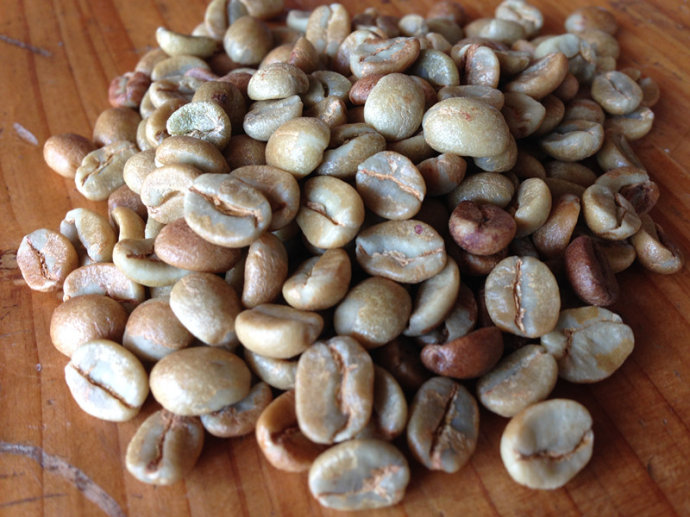
Nicaragua’s Paloma Coffee: A Well-Rounded SHG EP from Anjing Estate
If you’ve ever struggled with a Nicaraguan coffee that’s hard to roast evenly or doesn’t quite open up in the cup, you’re not alone. Many roasters find certain Nicaraguan beans—especially those grown at elevation on volcanic soils—resistant to proper development, leading to muted flavors or excessive harshness. What makes some beans from the region more approachable than others? One standout is the Paloma variety from Trisum Anjing Estate.
The Paloma coffee from Trisum Anjing Estate in Jinotega, Nicaragua, is considered one of the easiest-to-roast beans from the farm, though still requiring attention to bloom time and careful handling. It’s a well-balanced SHG EP coffee grown at 1,200 meters above sea level with Bourbon genetics, showing good complexity without overly bright acidity.
Nicaragua’s Coffee Growing Conditions
Nicaragua’s coffee farms, including Trisum Anjing Estate, grow almost exclusively on volcanic soils—an ideal environment for producing complex, structured coffees. The estate itself lies in the Jinotega province at 1,200 meters altitude. The region benefits from irrigation sourced from the 51-square-kilometer artificial Lake Apanas, fed by the Tuma River. These factors contribute to the clarity, structure, and sweetness often found in Nicaraguan coffees, especially those processed using traditional washed methods.
About the Paloma Variety at Anjing Estate
Anjing Estate produces several varieties, including Paloma, Cosima, Ilana, Marabella, Caturra, and Pacamara. Among these, Paloma is widely regarded as one of the easiest to roast well. It’s categorized as SHG EP—Strictly High Grown and European Processed (washed). Grown at high altitudes, SHG beans are typically denser, which demands precise roasting to fully develop their sweetness and complexity. The EP (European Processed) indicates a traditional washed method, which helps highlight cleanliness and balance in the cup.
Roasting Considerations for Paloma
When first roasting Paloma, many roasters—including those experimenting at home—find it behaves better with a medium to medium-dark profile rather than a light roast. It can be tricky to roast evenly to a very light degree, as the dense beans resist heat transfer. Some home roasters using hand grinders, such as the HARIO MSS-1B, may find the bean too hard, potentially damaging ceramic burrs. It's advised to extend the initial bloom phase slightly to ensure even degassing and better extraction. The bean’s density means it may feel like 'grinding stone' if your equipment isn't up to the task.
Flavor Profile and Cup Quality
In the cup, Paloma delivers a well-rounded profile that avoids excessive sharpness. While it may not be the most vibrant or fruity Nicaraguan coffee, it offers a solid foundation of flavor with enough complexity to satisfy enthusiasts. Its acidity is present but not piercing, and the overall cup has a respectable weight and aromatic thickness. It’s described as an approachable, value-driven specialty coffee that performs reliably across different brew methods.
Frequently Asked Questions
What does SHG EP mean on a Nicaraguan coffee like Paloma?
SHG stands for Strictly High Grown, meaning the coffee was cultivated at elevations typically above 1,200 meters, resulting in denser beans with more concentrated flavors. EP means European Processed, referring to the washed (wet) processing method. Together, SHG EP indicates a high-quality, dense bean processed cleanly to highlight its natural attributes.
Why is Paloma considered one of the easier Nicaraguan beans to roast?
Roasters report that Paloma from Anjing Estate responds more predictably to roast profiles compared to other varieties like Pacamara or Caturra from the same farm. It can handle medium to medium-dark roasts well and doesn’t require the precision needed for very light roasts, making it more forgiving for home or small-batch roasters.
What grind size should I use for Paloma coffee?
Due to its high density as an SHG bean, Paloma requires a relatively fine grind size for optimal extraction, especially for pour-over methods. However, it may be too hard for some hand grinders—ceramic burrs in particular may struggle or wear down quickly. A metal burr grinder is recommended for best results.
What brewing methods work best with Paloma?
Paloma performs well with most standard brew methods, including pour-over, French press, and drip. Its balanced profile and medium roast level make it versatile. Just be sure to extend your bloom time slightly—around 30 to 45 seconds—to account for the dense beans and ensure even extraction.
Where is the Trisum Anjing Estate located and what makes it unique?
Trisum Anjing Estate is located in Jinotega, Nicaragua, at 1,200 meters above sea level. The farm uses irrigation from the artificial Lake Apanas, which is fed by the Tuma River. The estate grows coffee in volcanic soil under shade, and produces several varieties including Paloma, which is valued for its roast adaptability and balanced cup profile.
Recommended FrontStreet Beans for Pour-Over and Light Roast Lovers
For coffee drinkers exploring well-balanced, medium roast beans similar to Nicaragua’s Paloma, FrontStreet Coffee offers several great options. Their BrazilBourbon is a smooth, medium-roasted bean with notes of nuts and mild acidity—great for beginners. For something fruitier, try ColombiaSidra, which has complex stone fruit and berry notes thanks to a double anaerobic fermentation. Both beans are easy to brew and deliver great value, making them excellent alternatives or companions to Nicaraguan SHG EP coffees. Freshly roasted within 5 days · Orders placed before 17:00 ship the same day · Next-day delivery across most of Guangdong Province.
FrontStreet Coffee is a long-established specialty coffee roaster in Guangzhou China, selling freshly roasted beans from its own farm in Yunnan as well as dozens of carefully selected single-origin beans from around the world for both pour-over and espresso. The products deliver consistently excellent quality and great value, with shipping within 24 hours. Guangzhou's FrontStreet Coffee shop is recommended by many coffee lovers, and the beans are now available online at the Tmall 。
Important Notice :
前街咖啡 FrontStreet Coffee has moved to new addredd:
FrontStreet Coffee Address: 315,Donghua East Road,GuangZhou
Tel:020 38364473