
Coffee Farm
Latest articles, industry insights and brewing guides
El Salvador’s Izalco Coffee: Mild & Unique from Sonsonate
Discover how Izalco, in El Salvador’s Sonsonate province, produces mild, well-balanced specialty coffee with a unique regional character.
Salvadoran Coffee Tastes Nutty Chocolate and Strawberry
Salvadoran coffee features balanced nutty, chocolatey, and fruity notes like strawberry and passionfruit. Learn what makes it unique.
How El Salvador Washed Coffee Is Fermented and Sun-Dried
Discover how El Salvador’s washed coffee is processed through controlled fermentation and sun drying, producing balanced, mild beans with bright acidity.
Salvadoran Specialty Coffee with Nutty Chocolate Notes
Explore why Salvadoran coffee offers balanced nut, chocolate, and fruity flavors, and how political history shaped its modern profile.
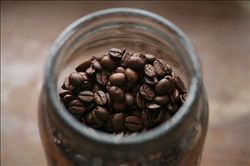
Salvadoran Coffee: Mild Flavor from Central America
Salvadoran coffee offers balanced, mild flavor and makes up 40% of the country’s exports. Learn about its regions, varieties like Pacamara, and production history.

Salvadoran Coffee Origins and Brewing Methods Explained
Discover the balanced flavor profile and growing history of Salvadoran coffee, including key regions and processing methods behind its mild taste.
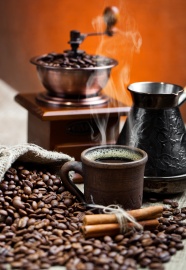
What Makes Salvadoran Coffee Unique? Flavor & Facts
Salvadoran coffee offers balanced, mild flavors with high cup quality. Learn about its history, grading, and rare varieties like Pacamara.
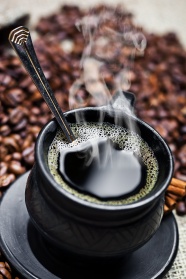
Costa Rica Washed Process: How It Shapes Bright Acidity
Learn how Costa Rica’s washed coffee process creates bright acidity and clean flavors, especially in high-altitude regions like Tarrazú.
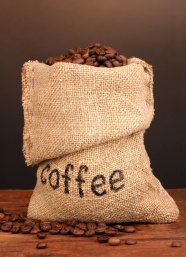
Costa Rica Coffee Varieties: Caturra and Catuai Explained
Discover why Caturra and Catuai are key to Costa Rica’s specialty coffee profile, with bright acidity and full-bodied flavors from high-altitude farms.

Costa Rica’s Tarrazú: A Top Specialty Coffee Region
Tarrazú in Costa Rica grows high-altitude coffee with bright acidity, rich aroma, and balanced sweetness—key traits of top-tier specialty beans.
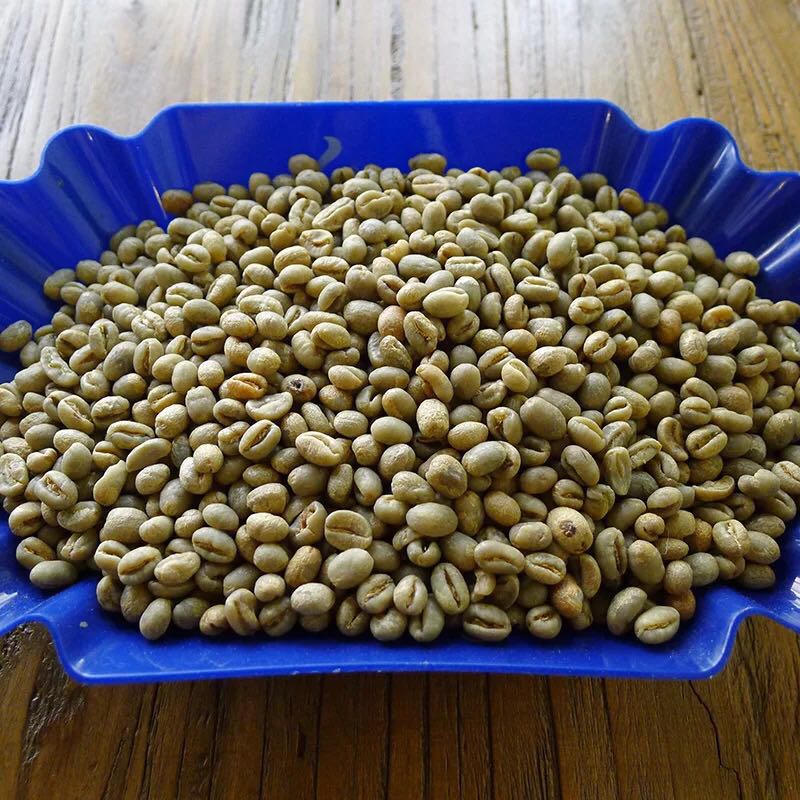
Costa Rica Tarrazú Coffee: Flavor, Farms & Processing
Discover why Tarrazú, Costa Rica produces some of the world’s most balanced high-altitude coffees with bright acidity and rich aroma.
Costa Rican Coffee Origins and Brewing Methods
Explore the origins of Costa Rican coffee, why Tarrazú beans shine, and how honey processing defines its signature sweetness.
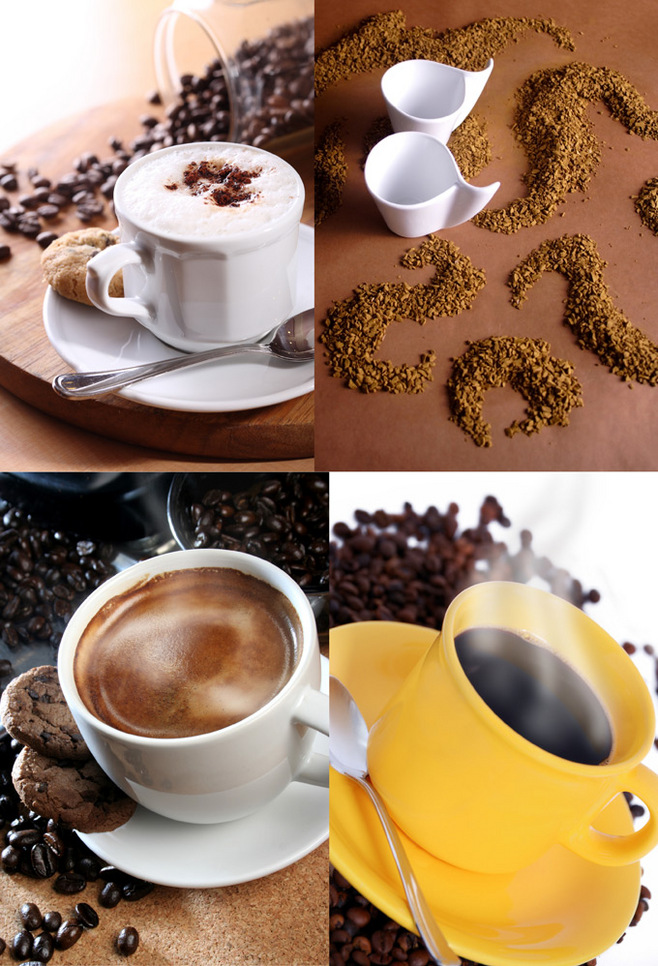
What Makes Costa Rican Coffee Special?
Explore the bold, bright flavors of Costa Rican coffee, grown at high altitudes with unique volcanic soils and iconic honey processing methods.
Natural Process Bench Maji G3 Coffee Beans
Bench Maji Forest G3 is an organic Ethiopian coffee with vibrant fruit and spice notes, processed naturally under forest canopy.

Colombian Specialty Coffee Flavor from Santa Rita Estate
Explore the origins and processing of Santa Rita coffee from Colombia’s Antioquia region, grown at high elevation with traditional washed methods.
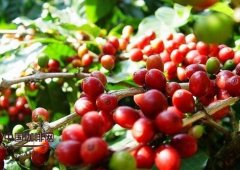
Sumatra Gayo Highlands: What Makes These Indonesian Coffees Unique
Explore the bold, earthy, and spicy profile of Sumatra Gayo coffee grown at 1100–1300m, processed via traditional wet hulling.
Guatemalan Washed Process Coffee from La Tisa Estate
Explore the flavor profile and growing conditions behind Guatemalan washed coffee from the La Tisa Estate, highlighting its bright acidity and clean profile.
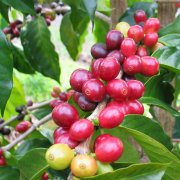
Hawaiian Coffee Flavor: What Makes It Unique
Find out why Hawaii is America’s only coffee-growing region and what gives its coffee its distinctive flavor profile.
Rwanda’s Rapid Rise as a Specialty Coffee Star
Rwanda became a top-tier coffee competition host in just eight years, evolving from non-producer to global specialty contender.
Honduras Specialty Coffee: Flavor Profiles & Production
Honduras produces 252,000 tonnes of coffee annually. Two major mills produce distinct profiles: red berries and stone fruits vs green tea and redcurrant.