
Coffee Farm
Latest articles, industry insights and brewing guides

4 Coffee Hacks for Natural Weight Loss
Discover four science-backed ways coffee aids weight loss: aroma motivation, workout synergy, exfoliation massage, and daily routine tricks.
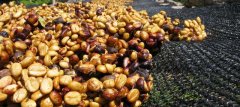
Ethiopian Harar Coffee: What Makes It Special?
Discover why Harar coffee from Ethiopia is prized for its bold, fruity flavors and low caffeine. Learn what sets this classic African origin apart.
How Did Coffee Get Its Name? The Origins Behind the Word
Coffee’s name traces back through legends, religious bans, and trade routes—but how exactly did 'coffee' become the word we use today?

What Climate and Conditions Do Coffee Trees Need?
Coffee thrives in tropical or subtropical regions between 23.5°N and 23.5°S, with ideal temps of 15–25°C, 1500–2000mm rain yearly, and altitudes of 500–2000m.
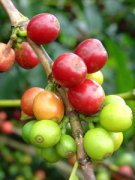
Colombian Coffee Farms in the Deep Mountains
Explore Colombia’s mountain coffee farms in the 'Coffee Golden Triangle,' where high-altitude conditions produce sweet, balanced beans like 'green gold.'
What’s in Coffee Beans? The Chemistry Behind Your Brew
Coffee beans contain tannins, fats, proteins, sugars, minerals, and fiber—each impacting flavor. Learn how roasting transforms them into your cup.

What Are the Main Types of Coffee Trees?
Learn about the four main coffee species—Arabica, Robusta, Liberica, and Excelsa—and how their traits shape the coffee we drink.

How to Grind Coffee for Different Brewing Methods
Your grind size should match your brew method. Espresso needs powder-fine grinds; French press or drip calls for coarse to medium. Get it right.
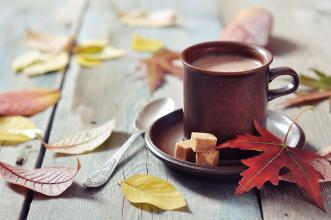
Coffee Drinking Etiquette Around the World Explained
Learn the proper way to hold a coffee cup, add sugar, use a spoon, and avoid common faux pas when drinking coffee socially.
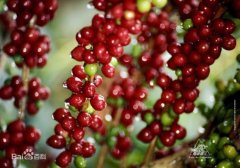
Panama Alida Estate: A Natural Star from Boquete
Alida Estate in Panama’s Boquete region shines with its natural-processed Catuai, offering complex jammy and fermented flavors. Learn why it rivals Geisha.

How to Brew Coffee: The Easiest Pour-Over Method
The easiest coffee brewing method uses paper filters and a dripper—quick, clean, and adjustable. Here’s how to make a single cup using pour-over basics.
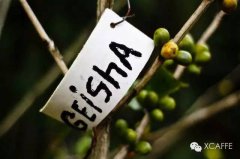
Panama’s Bouquete Region and Its Champion Coffee Estates
Discover why Panama’s Bouquete highlands produce world-class coffee, home to elite estates like La Esmeralda and Elida.

How to Make 10 Classic Global Coffee Drinks
Learn the exact ingredients and steps for 10 iconic coffee drinks like mocha, Viennese mix, and Turkish coffee from classic recipes.

Nicaragua’s Lemon Tree Estate: Specialty Coffee Excellence
Explore how Nicaragua’s El Limoncillo estate produces award-winning coffee through meticulous washed and honey processes at high altitudes.

What Makes Guatemalan Coffee Unique?
Guatemalan coffee is known for bright acidity, complex flavors, and high quality—especially from its volcanic highland regions. Discover its key traits.

What Makes Brazilian Coffee Unique? Flavor & Roast Profile
Brazilian coffee is low-acid, medium-roast, and versatile—ideal for espresso blends and filter brews. Learn its key traits and top-growing regions.
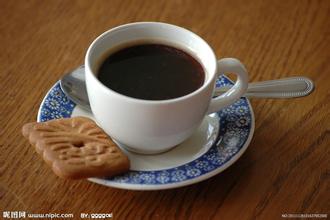
What Makes Mocha Coffee Unique
Learn why Yemeni and Ethiopian Mocha coffees are prized for their bold acidity, complex fruit, spice, and chocolate flavors.
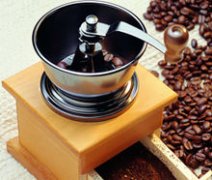
What Makes Yunnan Small Coffee Unique?
Discover why Yunnan’s small Arabica beans deliver a smooth, fruity, low-bitterness cup with a profile unlike any other region.
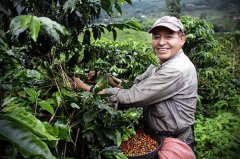
Tahiti Arabica: The Rare Coffee from Paradise
Discover why Tahiti Arabica is among the rarest coffees in the world, with its limited production and distinctive flavor profile.

7 Unexpected Ways to Use Coffee Grounds at Home
From deodorizing your fridge to freshening breath, here’s how coffee grounds and aroma can solve everyday household problems.