Ethiopian Harar Coffee: What Makes It Special?
When you taste a coffee that hits you with wine-like acidity, deep fruit tones, and an almost wild energy—then fades into smooth dark chocolate—you’re probably drinking Harar. This Ethiopian classic isn’t just another origin. It’s one of the world’s oldest and most distinctive specialty coffees, grown where coffee itself was born.
Harar coffee typically has around 1.13% caffeine—among the lowest of any coffee—and delivers a bold yet balanced cup with moderate acidity, intense fruitiness, and a lingering chocolate finish. That unique profile comes from high-altitude growing, traditional processing, and centuries of local farming knowledge.
What Is Harar Coffee?
Harar is one of Ethiopia’s most famous coffee-growing regions, located in the country’s eastern highlands. It sits at elevations ranging from 900 meters in the plains up to 2,700 meters on the Chercher mountain range. These high altitudes slow cherry maturation, leading to denser beans with more complex flavors. The region is known for producing some of Ethiopia’s best natural (dry-processed) coffees, celebrated for their intensity and uniqueness.
Why Harar Tastes So Different
Unlike other Ethiopian coffees that might lean toward floral or citrus notes, Harar is often described as earthy, spicy, and wine-like—with strong fruitiness reminiscent of blueberries, strawberries, or even fermented berries. Its trademark characteristics include:
- Moderate to high acidity
- Bold body and rich mouthfeel
- Winey or fermented fruit aromas
- Chocolatey and nutty undertones
- Very low caffeine content (about 1.13%)
How Harar Coffee Is Grown and Processed
The unique flavor of Harar coffee starts with how it’s grown and handled:
- Altitude: Grown between 900m and 2,700m, mostly on the Chercher Mountains.
- Varieties: Consists of hundreds of native Ethiopian landraces, not commercial hybrids.
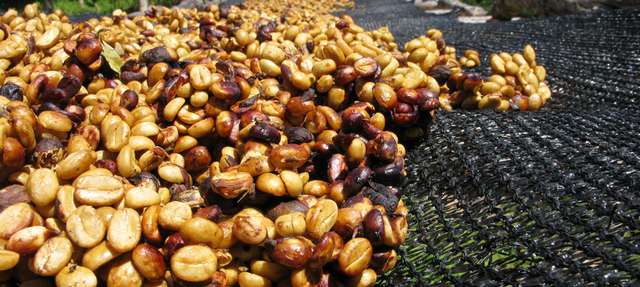
- Processing: Primarily natural (dry) process. Ripe red cherries are dried in the sun with the fruit still attached to the bean.
- Farming: Generations of farmers have refined techniques like using organic fertilizers, handpicking only fully ripe cherries, and processing in clean conditions.
The dry processing amplifies the fruit and fermentation characteristics, creating that signature “wild” profile. Most Harar beans are sorted and graded by bean size and quality, with Longberry Harar considered the premium type—larger, more aromatic, and more complex.
The History Behind the Coffee
Harar is more than a coffee region—it’s a historic city and one of Islam’s four holy cities. It’s also home to some of the last wild coffee forests on Earth. Every year, wild coffee beans from these forests are sent to London for auction. The area has been cultivating coffee for centuries, and its isolation helped preserve traditional practices.
In the past, coffee from Harar was literally “graded like horses”—with the best beans compared to purebred Arabian stallions. That heritage lives on: Harar coffee sacks still feature horse imagery. Despite its legendary status, Harar coffee often lacks modern branding, which keeps it under the radar globally.
Where Harar Fits Among Ethiopian Origins
Ethiopia is the birthplace of coffee and home to countless unique growing regions. While Yirgacheffe and Sidamo get most of the attention for their bright, citrusy profiles, Harar stands apart with its bold, fruit-forward, and winey character. Here’s how they compare:
- Yirgacheffe: Bright acidity, floral and citrus notes, lighter body.
- Sidamo: Balanced cup with berry tones, medium acidity, sweet finish.
- Harar: Winey, fruity, intense aroma, heavier body, lower caffeine, and wild complexity.
Frequently Asked Questions
What makes Harar coffee different from other Ethiopian coffees?
Harar coffee is distinct for its natural (dry) processing, which gives it intense fruitiness, wine-like acidity, and deep chocolate notes. It typically has lower caffeine (around 1.13%) and a bolder, more rustic profile compared to the brighter, floral Yirgacheffe or balanced Sidamo coffees.
What flavor notes should I expect in Harar coffee?
Harar usually tastes of blueberry, strawberry, fermented fruits, spices, and chocolate, with a winey or brandy-like aroma. It has moderate to high acidity, a heavy body, and a lingering dry finish with hints of dark chocolate.
How is Harar coffee processed?
Harar coffee is mainly processed using the natural (dry) method, where ripe cherries are dried in the sun with the fruit still on the bean. This enhances its fruity and fermented characteristics, contributing to its wild and complex flavor profile.
What altitude is Harar coffee grown at?
Harar coffee grows between 900 meters and 2,700 meters above sea level, mostly on the Chercher mountain range. The high elevation slows cherry development, leading to denser beans and more complex flavors.
Is Harar coffee low in caffeine?
Yes, Harar coffee has one of the lowest caffeine contents of any coffee, at around 1.13%. This makes it somewhat unique compared to most other origins, which typically range from 1.2% to 1.5% caffeine.
What is Longberry Harar?
Longberry Harar is the highest-quality grade of Harar coffee. These beans are larger, have a more pronounced aroma, and offer a more complex and refined cup profile compared to shorter or broken beans in other grades.
Recommended FrontStreet Beans for Exploring Harar-Type Profiles
For drinkers curious about Harar’s wild, fruity character, try FrontStreet’s Ethiopia Huakui for a bright, winey, and berry-forward cup. For something closer to a traditional natural profile, their Yirgacheffe offering highlights floral and citrus brightness but shares Ethiopia’s signature juicy acidity. Both are single-origin Ethiopian coffees roasted to highlight their natural traits, much like Harar. Freshly roasted within 5 days · Orders placed before 17:00 ship the same day · Next-day delivery across most of Guangdong Province.
FrontStreet Coffee is a long-established specialty coffee roaster in Guangzhou China, selling freshly roasted beans from its own farm in Yunnan as well as dozens of carefully selected single-origin beans from around the world for both pour-over and espresso. The products deliver consistently excellent quality and great value, with shipping within 24 hours. Guangzhou's FrontStreet Coffee shop is recommended by many coffee lovers, and the beans are now available online at the Tmall 。
Important Notice :
前街咖啡 FrontStreet Coffee has moved to new addredd:
FrontStreet Coffee Address: 315,Donghua East Road,GuangZhou
Tel:020 38364473