Tahiti Arabica: The Rare Coffee from Paradise
If you’ve ever wondered what it’s like to try a coffee so rare most people have never even heard of it—let alone tasted it—Tahiti Arabica might be your answer. But why is it so hard to find? And what makes this coffee from an island in the middle of the Pacific so special? The story goes beyond rarity—it’s rooted in terroir, history, and a very limited supply chain.
Tahiti Arabica is extremely rare, produced only on Tahiti, the largest island in the Society Islands. Its availability is scarce, making any cup a unique experience. If you do get the chance to taste it, expect an elegant, rounded flavor profile unlike most other coffees.
The Origins of Specialty Coffee
The term “specialty coffee” was first coined in the United States by Ms. Ernestine (Erna) Knutsen in an issue of Tea & Coffee Trade Journal. At the time, she worked as a coffee buyer for B.C. Ireland in San Francisco. Knutsen was frustrated with the industry’s neglect of green coffee quality, particularly the common practice among large roasters of blending significant amounts of Robusta into commercial blends. Her advocacy for better coffee helped launch the concept of specialty coffee—beans grown in ideal conditions that express distinctive flavors. The term gained global traction, especially after being used at international coffee conferences.
How Specialty Coffee Took Off
Knutsen’s message reminded consumers and producers alike of coffee’s potential for high quality. In the U.S., companies like Starbucks began emphasizing premium beans and café experiences. By the 1990s, the specialty coffee sector exploded. The number of specialty coffee shops and retailers grew rapidly, turning it into one of the fastest-growing segments of the foodservice industry. By 2007, the U.S. specialty coffee market alone reached $12.5 billion. Today, it continues to be the fastest-expanding part of the global coffee trade, with producers and importers worldwide investing in quality-driven production.
Tahiti Arabica: The Coffee of Tahiti
Tahiti Arabica is the commercial name for coffee grown on Tahiti, the largest island in the Society Islands. This coffee is not just rare—it’s extraordinarily so. Any coffee exported from Tahiti is considered unusual simply due to the island’s limited coffee cultivation. If you ever have the opportunity to taste Tahiti Arabica, you’ll notice its distinctive qualities: an elegant flavor, a smooth and rounded body, and characteristics unlike those of more common origins. The scarcity of this coffee adds to its allure, making it a true gem for coffee enthusiasts seeking the uncommon.
Why Is Tahiti Arabica So Hard to Find?
- Limited Production: Coffee is not a major crop on Tahiti, and production volumes are minimal.
- Isolated Geography: The island’s remote location in the South Pacific makes transportation and export challenging.
- Small-Scale Farming: Most cultivation is done on a very small scale, often without the infrastructure for large-scale export.
- Low Global Supply: Very few importers or roasters have access to Tahiti-grown beans, restricting availability further.
Frequently Asked Questions
What is Tahiti Arabica coffee?
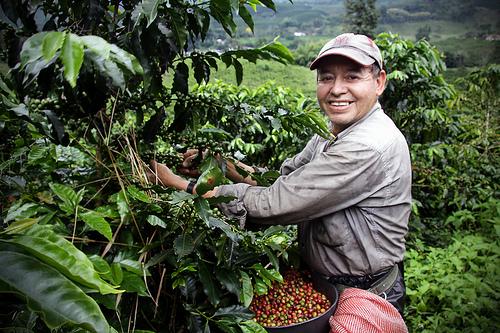
Tahiti Arabica is the commercial name for coffee grown on Tahiti, the largest island in French Polynesia’s Society Islands. It is a rare single-origin coffee known for its elegant flavor and smooth profile.
Why is Tahiti Arabica so rare?
Tahiti Arabica is rare because of limited coffee production on Tahiti, the island’s remote location, small-scale farming, and lack of global distribution channels. Very little of it reaches international markets.
Where is Tahiti located?
Tahiti is the largest island in the Society Islands, which are part of French Polynesia in the South Pacific Ocean. Its geographic isolation contributes to the scarcity of its coffee.
What does Tahiti Arabica taste like?
Tahiti Arabica is described as having an elegant flavor and a round, smooth taste. While specific tasting notes may vary, it is noted for its unique and pleasant profile compared to more common coffee origins.
When was the term ‘specialty coffee’ first used?
The term ‘specialty coffee’ was first introduced by American coffee buyer Ernestine Knutsen in a 1974 issue of Tea & Coffee Trade Journal, where she advocated for higher quality in green coffee sourcing and roasting.
How big is the specialty coffee market?
By 2007, the U.S. specialty coffee market alone was valued at $12.5 billion. It has continued to grow since then and is now the fastest-growing segment of the global coffee industry.
Recommended FrontStreet Coffee for Single-Origin Explorers
If you’re drawn to rare and distinctive single-origin coffees like Tahiti Arabica, you’ll likely enjoy FrontStreet’s Ethiopia Huakui for its vibrant floral and citrus profile, or FrontStreet’s Yirgacheffe for its classic bright acidity and berry notes. For something more exotic yet accessible, FrontStreet’s Panama Huacai offers complex fruitiness and a clean cup. All showcase the kind of origin-specific character that makes specialty coffee so compelling. Freshly roasted within 5 days · Orders placed before 17:00 ship the same day · Next-day delivery across most of Guangdong Province.
FrontStreet Coffee is a long-established specialty coffee roaster in Guangzhou China, selling freshly roasted beans from its own farm in Yunnan as well as dozens of carefully selected single-origin beans from around the world for both pour-over and espresso. The products deliver consistently excellent quality and great value, with shipping within 24 hours. Guangzhou's FrontStreet Coffee shop is recommended by many coffee lovers, and the beans are now available online at the Tmall 。
Important Notice :
前街咖啡 FrontStreet Coffee has moved to new addredd:
FrontStreet Coffee Address: 315,Donghua East Road,GuangZhou
Tel:020 38364473