What’s in Coffee Beans? The Chemistry Behind Your Brew
Ever wondered why your freshly brewed coffee starts tasting dull just an hour later? Or why over-extracted coffee looks darker but lacks flavor? These everyday coffee experiences actually trace back to the complex chemical makeup inside every coffee bean. From tannins that degrade with heat to aromatic fats that evaporate over time, knowing what’s really in your coffee explains both the pleasure and the pitfalls.
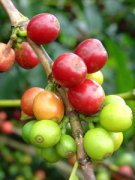
Coffee beans are the seeds of the Coffea plant—a flowering shrub native to tropical regions. Chemically, they’re made up of tannins, fats, proteins, sugars, minerals, fiber, and water, all of which interact during roasting and brewing to create flavor, aroma, and color. Understanding these components helps explain why coffee tastes, smells, and behaves the way it does.
The Role of Tannins in Coffee
When extracted, tannins in coffee turn into a pale yellow powder that dissolves easily in water. But if boiled, tannins break down into quinic acid, which degrades coffee flavor. That’s also why brewed coffee darkens and tastes weaker after sitting for hours—it’s not just cooling, it’s chemically changing. That’s the science behind the advice: drink your coffee soon after brewing.
Fats: The Aroma Carriers
Coffee contains multiple types of fat, but acidic fats and volatile fats are the most significant. Acidic fats vary in strength depending on coffee variety, while volatile fats are the main source of coffee’s aroma. Once roasted coffee beans are exposed to air, these fats undergo chemical changes that degrade both flavor and scent. That’s why proper storage matters so much.
Proteins, Sugars, and Calories
Proteins are a main source of calories in coffee, but most don’t dissolve in drip or filtered coffee—meaning you’re not getting much nutrition from your cup. That’s one reason coffee is popular among those watching calorie intake. Sugars in green coffee beans contribute sweetness and, during roasting, most convert to caramelized compounds that give coffee its distinctive brown color and complex flavor notes.
Minerals and Fiber: The Subtle Influencers
Coffee beans contain small amounts of minerals like calcium, iron, sulfur, sodium carbonate, phosphorus, chlorine, and silicon. Though present in trace levels, they add a slight astringency to the overall taste. The fibrous structure of raw beans carbonizes during roasting, interacting with caramelized sugars to shape the final color. Ground coffee powders can introduce off-flavors, which is why whole beans are preferred for better flavor control.
How Roasting Transforms Coffee’s Chemistry
The color, aroma, and flavor of coffee are all products of complex chemical reactions during roasting. Proper roasting balances these components to create the best flavor profile. Heat triggers reactions like the Maillard reaction, forming hundreds of aromatic compounds. Roasters aim to develop optimal ratios of acids, sugars, and fats in the shortest time at the lowest effective temperature. Over-roasting or excessive heat damages delicate aromas and leads to bitterness.
The Science of Coffee Aroma
Aroma is the soul of coffee quality—it reflects everything from origin and processing to roast technique. Gas chromatography shows coffee aroma consists of hundreds of volatile compounds including acids, alcohols, aldehydes, ketones, esters, sulfur compounds, phenols, and nitrogen compounds. Fats, proteins, and sugars are key to forming these aromatics. Lipids also balance out bitterness and acidity, creating a smooth mouthfeel. When coffee loses its aroma, it’s a clear sign the flavor quality is fading.
Frequently Asked Questions
What plant does coffee come from?
Coffee comes from the Coffea plant, a flowering tropical shrub. The beans we roast and brew are actually the seeds found inside the plant’s cherries. Different species and varieties of Coffea—like Arabica and Robusta—produce distinct flavors and chemical profiles in the beans.
What are tannins in coffee and what do they do?
Tannins in coffee are compounds that dissolve into water during brewing, contributing to astringency and color. When boiled, they break down into quinic acid, which harms flavor. That’s why coffee tastes worse if it sits too long or is boiled too hot—the tannins degrade.
Why is fat in coffee important for flavor?
Coffee fats, especially the volatile kinds, are the main carriers of aroma. Roasted coffee contains various fats that create its fragrance. Once exposed to air, these fats oxidize, leading to flavor loss. That’s why freshly ground and properly stored coffee retains more aroma and taste complexity.
Do proteins in coffee contribute to its nutritional value?
While proteins are a source of calories, most don’t dissolve in common brewing methods like drip coffee. That means drinking coffee won’t significantly contribute to your protein or calorie intake—part of why it’s often considered low-calorie or even helpful for dieting.
What role does fiber play in coffee beans?
The fiber in raw coffee beans turns into carbon during roasting, affecting color development. It also interacts with caramelized sugars. Ground coffee fiber can introduce unwanted flavors, which is why whole beans are better for preserving intended flavor profiles.
What chemical changes happen during coffee roasting?
Roasting triggers complex reactions like the Maillard reaction, turning sugars and amino acids into hundreds of aromatic compounds. This process develops coffee’s color, aroma, and flavor. Roasters adjust time and temperature to balance these compounds for the best cup without over-developing bitterness.
Recommended FrontStreet Coffee Beans for Exploring Flavor Chemistry
Try FrontStreet Coffee’s Ethiopia Yirgacheffe for bright acidity and floral notes, showcasing how natural processing highlights sugar and acid balance. Their Colombia Huila offers a nutty, caramel profile from medium roast, where fats and sugars interact smoothly. For deeper complexity, their Sumatra Mandheling reveals earthy tones and tannin structure in a classic washed bean. All highlight how origin and roast affect flavor compounds. Freshly roasted within 5 days · Orders placed before 17:00 ship the same day · Next-day delivery across most of Guangdong Province.
FrontStreet Coffee is a long-established specialty coffee roaster in Guangzhou China, selling freshly roasted beans from its own farm in Yunnan as well as dozens of carefully selected single-origin beans from around the world for both pour-over and espresso. The products deliver consistently excellent quality and great value, with shipping within 24 hours. Guangzhou's FrontStreet Coffee shop is recommended by many coffee lovers, and the beans are now available online at the Tmall 。
Important Notice :
前街咖啡 FrontStreet Coffee has moved to new addredd:
FrontStreet Coffee Address: 315,Donghua East Road,GuangZhou
Tel:020 38364473