
Coffee Knowledge
Latest articles, industry insights and brewing guides

What Is an SCAA Cupping Judge Certification?
Learn how to become an SCAA Cupping Judge through a 42-sample course and 40-hour exam testing taste, acidity, and green/roast bean ID.

What Is a CQI Q Grader in Coffee?
To become a CQI Q Grader, you must pass a 3-day exam with 22 tests covering green grading, cupping, and sensory skills. Here’s how it works.

What Is the Coffee Quality Institute and Why It Matters
The Coffee Quality Institute (CQI) is a nonprofit boosting coffee quality and farmer incomes via training, quality-driven trade tools, and leadership programs.

How the CQI Q Coffee System Certifies Specialty Coffee
Learn how the Q Coffee System certifies specialty-grade green coffee, with Q Graders scoring each lot to ensure quality and market access.

SCAE Barista Certification Levels and Requirements
Learn the SCAE’s three-tiered barista certification system, from entry-level to expert, with work experience and test details for each.

What’s Really in Starbucks’ Barista Training Test?
We break down the actual questions used to train Starbucks baristas, with the key number you need to know.

How Coffee and Tea Lower Kidney Cancer Risk
Drinking three or more cups of coffee per day may reduce kidney cancer risk by 16%, and one cup of tea daily by 15%, Harvard research finds.

How Coffee Helps Burn Fat and Reduce Bloating
Learn how black coffee, timing, and exercise boost fat burning and reduce water retention—with science-backed coffee habits for weight loss.

10 Science-Backed Facts About Coffee’s Health Effects
Coffee can fight cancer and aging, but too much harms your health. Here are 10 verified facts every coffee drinker should know.

Drinking Coffee Linked to Lower Head and Neck Cancer Risk
Regular coffee drinkers have a 39% lower risk of oral and throat cancers, with stronger effects seen at higher daily intake levels.

Where Coffee Grows: The Coffee Belt Explained
Learn where coffee is grown and why specific regions produce unique flavors. Discover the key factors behind the world’s best coffee origins.

9 Practical Uses for Used Coffee Grounds in Daily Life
Discover 9 clever ways to reuse coffee grounds, from deodorizing your fridge to polishing floors and preventing rust on sewing needles.

What Makes White Coffee the Healthiest Coffee Option?
White coffee contains less than 10% caffeine, no additives, and is low in calories. It's gentler on digestion and suitable for sensitive groups.
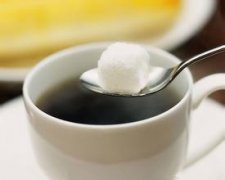
How Milk and Coffee Together Help Calcium Absorption
Drinking coffee regularly? You may need 100mg extra calcium daily—or at least one cup of milk—to offset potential calcium loss.

Who Should Avoid Coffee and Tea? Health Guidelines
Certain groups should limit or avoid coffee and tea due to health risks like poor iron absorption, sleep disruption, and stimulant sensitivity.
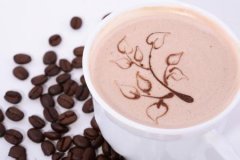
When to Drink Coffee for Better Health
Drinking coffee after meals aids digestion and may reduce allergy symptoms. Avoid it before eating to prevent appetite loss and stomach irritation.

How Much Coffee Is Healthy for Women? Timing & Amount Matter
Learn how much coffee women should drink daily for benefits like energy and fat loss—without the jitters or health risks.

Coffee Face Masks and Skincare Benefits You Can Try
Learn how coffee aids weight loss, reduces wrinkles, and brightens skin with DIY masks using coffee powder, egg, and other natural ingredients.

Best Times of Day to Drink Coffee for Health
Learn the optimal times to drink coffee to avoid side effects like insomnia or indigestion, and when it can help prevent allergy symptoms.

Coffee Nutrition Facts & Who Should Avoid It
Coffee contains antioxidants, caffeine, and nutrients—but some people should limit intake. Here’s what research says about benefits and risks.