
Coffee Knowledge
Latest articles, industry insights and brewing guides
How Commercial and Home Coffee Roasters Work: Types Explained
Learn the four main types of commercial coffee roasters—direct-fire, semi-hot-air, hot-air, and fluid-bed—and three common home models.

How Coffee Beans Are Roasted: 5 Common Roast Levels Explained
Learn the 4 key stages of coffee roasting and the 5 most common roast profiles from light City to dark French, with temperatures and flavor impacts.

Blend First or Roast First? The Specialty Coffee Approach
Learn whether blending coffee beans before or after roasting yields better results, and when each method works best in specialty coffee production.
Why Coffee Roasters Blend Beans from Different Origins
Blending coffee beans from multiple origins can enhance flavor complexity or maintain consistency. Here’s when and why it works.

How Coffee Roasting Works: The Science Behind Specialty Beans
Learn how roasting transforms green coffee beans into aromatic drinks, with key insights on time, temperature, and chemical changes.

What Nutrients Are Actually in Coffee Beans?
A 100g serving of coffee beans contains 12.6g protein, 16g fat, and 1.3g caffeine. Here’s the full breakdown of nutrients in beans vs brewed coffee.

Key Chemical Reactions During Coffee Roasting Explained
Learn the essential thermal and chemical changes in coffee roasting—sucrose caramelization, trigonelline breakdown, and Maillard reactions that shape flavor.

How to Roast Coffee at Home Using a Cast Iron Pan
Yes, you can roast coffee beans at home with just a cast iron pan. Here’s the 10-step method using common kitchen tools.

How to Describe Coffee Roast Levels Using Standard Terms
Learn the six standard coffee roast levels with precise names like Light, City, and French. This guide explains each with flavor traits and roast color cues.

What Is Coffee Roasting and How Does It Work?
Learn what coffee roasting really is, how it transforms green beans, and why cupping is the ultimate way to judge your roast.

Home Coffee Roasting: A Beginner’s Guide to Freshness and Flavor
Learn why home coffee roasting delivers unmatched freshness, flavor, and satisfaction—and how easy it is to start with today’s tools.

Why Do We Roast Coffee Beans?
Roasting coffee beans unlocks their unique aroma and flavor. Discover how heat transforms green beans into the rich, aromatic coffee we know.
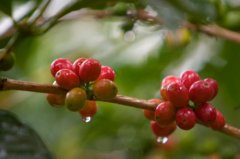
How to Roast Coffee Beans in a Home Oven
Learn how to roast green coffee beans at home using a standard kitchen oven with clear steps, temperatures, and times for light roasts.

Why Light Roast Coffee Tastes Sweet, Tart, and Juicy
Light roasted specialty coffee delivers bright acidity, juicy fruit, and floral sweetness—here’s why it tastes nothing like your average cup.
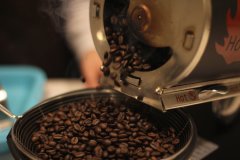
How to Read and Use a Coffee Roast Curve
Learn what a coffee roast curve is, how to record it, and why it’s essential for controlling flavor development during roasting.

How Is White Coffee Roasted Differently?
White coffee is roasted at lower temperatures to reduce bitterness and caffeine, resulting in a smoother cup. Here's how Malaysian specialty roasters achieve it.

Coffee Roasting Machine Glossary: Key Terms Explained
Learn essential coffee roasting machine terminology—from afterburners to thermal protection—with clear definitions for every part and process.

Arabica vs Robusta: The Two Main Coffee Species Explained
Learn the key differences between Arabica and Robusta coffee species, from growing altitude to caffeine content and flavor profiles.

How to Use a French Press: Key Variables for Better Coffee
Learn how grind size, water temperature, and brew time affect your French press coffee, with exact numbers for better results.
Arabica vs Robusta Coffee Beans: Key Differences
Learn the key differences between Arabica and Robusta coffee beans, including taste, growing conditions, caffeine content, and usage.