
Coffee Knowledge
Latest articles, industry insights and brewing guides

Kaiser Melange and Arabic Coffee: Traditional European and Middle Eastern Brews
Learn how to make Kaiser Melange, an Austrian coffee with egg and milk, and Arabic coffee with cardamom and cinnamon, including exact ingredients and steps.

How to Make Cafe Ole and Cafe Kahlua Fancy Coffees
Learn to make Cafe Ole and Cafe Kahlua, two classic Mexican-style fancy coffees, with exact measurements for coffee, liqueurs, cream, and garnishes.

How to Make Italian Liqueur Coffee and Spiced Canned Coffee
Learn to make classic Italian-style Caffe Galliano and rustic Caffe Cannella with exact ratios, ingredients, and cultural background.

Cherry Liqueur and Cardamom Coffee Recipes from Europe
Explore two classic European coffee drinks: German Kaffee Kirsch with cherry liqueur and Nordic Kaffee Cardamom with cardamom and citrus spirits.
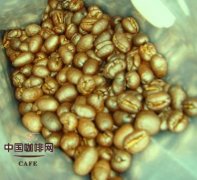
What Is Monsoon Coffee? Specialty Coffee Basics
Monsoon coffee is aged in open warehouses during India’s rainy season to reduce acidity and boost body. The process takes 12–16 months.
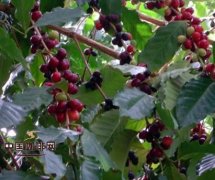
What Is Shade-Grown Coffee? Specialty Coffee Basics
Shade-grown coffee is cultivated under tree canopies, improving biodiversity and often producing better-tasting beans, especially in Central America.

What Is Peaberry Coffee? Specialty Coffee Basics
Peaberry coffee—also called caracol—is a rare, round single coffee bean found in the center of the coffee cherry. Learn why it’s prized and how it differs.
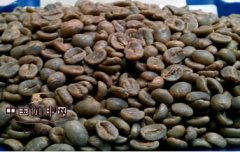
What Is Wet Processed Coffee?
Wet processed coffee is made by removing the fruit while the bean is still moist, boosting acidity and clarity. Most specialty coffees use this method.
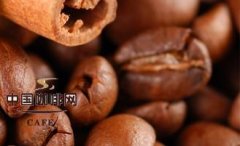
What Is Chicory Coffee? Specialty Coffee Basics
Chicory root, roasted and used alongside or instead of coffee, delivers bold roasted flavors and reduces caffeine content—up to 30% blends are common.
What Is Aged Coffee and How Does It Taste?
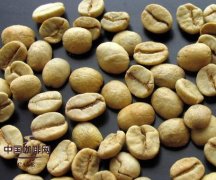
Aged coffee loses acidity and gains body after months or years in storage, especially when stored in warm, humid conditions. Indonesian Mandheling is a classic example.

What Is Salt Coffee? Specialty Coffee Basics Explained
Learn how adding a small amount of natural salt to coffee may support digestion, improve metabolism, and enhance skin health.

20 Reasons to Drink Coffee, Backed by Fact
Why drink coffee? This article lays out 20 compelling, often surprising reasons—from cultural rituals to claimed health perks.
How to Judge Coffee Bean Quality: A Visual and Sensory Guide
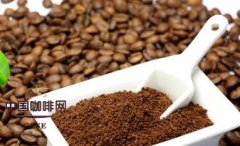
Learn how to assess coffee bean freshness and quality by appearance, aroma, sound, taste, and brewed clarity using simple, expert-backed methods.

How to Taste Specialty Coffee in the Right Order
Learn the proper sequence for tasting specialty coffee, from smelling the aroma to adding milk or sugar, to enhance flavor perception.

SCAA’s Gold Cup Standard for Drip Coffee Brewing
The SCAA’s ideal Gold Cup drip brew sits at 18–22% extraction and 1.1–1.3% TDS, using a 1:15 to 1:18 brew ratio for balanced flavor.
Aeropress Brewing: Filter Type, Grind, and Common Mistakes
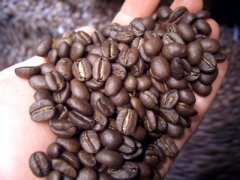
Find out whether paper or metal filters work best, why your Aeropress tastes weak, and how to fix common brewing issues with exact temps and grind sizes.

How to Record Roast Curves with Artisan Software
Artisan helps roasters track and analyze roast profiles by connecting to thermocouples or PID controllers, enabling precise control over flavor development.

Patented Roasting Tech Boosts Polyphenols in Coffee Beans
A two-step patented method extracts then restores polyphenols, significantly increasing their levels in roasted coffee beans.

How Roasting Determines Coffee Flavor and Mouthfeel
Roasting accounts for 80% of coffee flavor. Learn how roast level, technique, and timing shape your cup’s aroma, acidity, and bitterness.

Why Do Coffee Shops Over-Roast Their Beans?
Businesses often choose dark roasts to mask bean flaws, simplify blends, and reduce barista skill requirements. Here’s how and why.