What Is Wet Processed Coffee?
Ever wondered why some coffees taste bright and juicy while others feel heavy and earthy? The secret often lies in how the coffee cherry was processed after harvest. If your coffee has crisp acidity and clean flavors, chances are it went through wet processing — a method that shapes the coffee’s character before roasting even begins.
Wet processed coffee, also called washed coffee, is made by removing the coffee bean’s outer fruit while the bean is still moist inside the parchment. This method is used for over 60% of the world’s specialty-grade coffees to enhance clarity, acidity, and cleanliness of flavor.
What Is Wet Processing in Coffee?
Wet processing, or the washed method, is a coffee post-harvest treatment where the coffee cherry’s skin and pulp are removed while the bean is still moist. This is done before the bean fully dries, typically while it’s still enclosed in its protective parchment layer. The goal is to separate the fruit cleanly, allowing the bean’s intrinsic qualities to shine through in the cup.
How Traditional Wet Processing Works
In the traditional wet method, coffee cherries are first de-pulped to remove the outer skin. What remains is the coffee bean surrounded by sticky mucilage and encased in a parchment shell. These beans are then placed in water-filled tanks or containers. Natural enzymes break down the mucilage over 12 to 72 hours in a process called fermentation. Once the mucilage is loosened, the beans are washed with water to remove all remaining fruit residue. The cleaned beans, still in parchment, are then dried on patios, raised beds, or mechanical dryers until they reach around 11–12% moisture content.
Modern Wet Processing Techniques
Today, many farms use mechanical demucilagers — machines that remove the sticky mucilage without relying solely on fermentation. These machines scrub the beans clean, reducing water usage and processing time. While traditional fermentation can contribute nuanced flavor complexity, mechanical methods offer more consistency and control, especially in regions with limited water resources.
Why Washed Processing Boosts Acidity and Clarity
By removing the fruit and mucilage early while the bean is still wet, wet processing minimizes unwanted fermentation flavors and allows the bean’s inherent traits — like high acidity, floral notes, and fruity brightness — to dominate the cup profile. This is why most celebrated specialty coffees from Ethiopia, Colombia, and Central America are washed: the method highlights their inherent qualities rather than masking them with fruitiness or fermentation byproducts.
What Happens After Wet Processing?
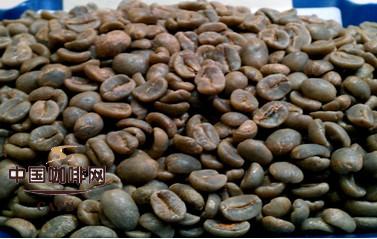
After washing and drying, the coffee beans are left encased in a thin protective layer called parchment. These parchment-covered beans are stored and traded as “parchment coffee.” Before roasting, the parchment is removed in a mill — a step called hulling. Only then do you get the green coffee bean ready for export and roasting. This final stage ensures the bean is clean, stable, and ready to develop its full flavor potential during roasting.
Frequently Asked Questions
What does wet processed coffee mean?
Wet processed coffee, also known as washed coffee, means the coffee bean was removed from the fruit while still moist, and the sticky mucilage was broken down by fermentation or removed by machine before drying. This process enhances the bean’s clarity and acidity.
How is wet processed coffee different from natural coffee?
Wet processed coffee removes the fruit before drying, leading to cleaner, brighter flavors. Natural processed coffee dries the bean inside the whole cherry, resulting in heavier, fruitier, and more fermented tasting notes.
Does wet processing affect coffee flavor?
Yes. Wet processing highlights acidity, floral and fruity notes, and gives the coffee a cleaner, more transparent cup profile. It reduces muddiness often found in other methods.
How long does wet processing take?
Wet processing can take anywhere from a couple of days to over a week, depending on whether fermentation is used and how long the beans are dried afterward. Fermentation alone may take 12–72 hours, and drying can take 1–3 weeks.
Is wet processed coffee better?
“Better” depends on taste preference. Wet processed coffee is often preferred for its clarity and acidity, making it ideal for single-origin offerings. However, other methods like natural or honey processing have their own unique strengths.
Recommended FrontStreet Washed Process Coffees
For a true example of wet processed coffee, try FrontStreet’s Ethiopia Yirgacheffe or Ethiopia Gedeb — both classic washed Ethiopian coffees with bright acidity, citrus, and floral notes. For something more balanced, the Brazil Queen Manor offers a washed Brazilian profile with smooth chocolate and nut tones. All are great representations of how washed processing shapes clean, vibrant cups. Freshly roasted within 5 days · Orders placed before 17:00 ship the same day · Next-day delivery across most of Guangdong Province.
FrontStreet Coffee is a long-established specialty coffee roaster in Guangzhou China, selling freshly roasted beans from its own farm in Yunnan as well as dozens of carefully selected single-origin beans from around the world for both pour-over and espresso. The products deliver consistently excellent quality and great value, with shipping within 24 hours. Guangzhou's FrontStreet Coffee shop is recommended by many coffee lovers, and the beans are now available online at the Tmall 。
Important Notice :
前街咖啡 FrontStreet Coffee has moved to new addredd:
FrontStreet Coffee Address: 315,Donghua East Road,GuangZhou
Tel:020 38364473