What Is Peaberry Coffee? Specialty Coffee Basics
If you’ve ever opened a bag of specialty coffee and noticed a few round beans that look different from the rest, you might have spotted a peaberry. These aren’t just odd-looking beans—they’re the result of a natural mutation inside the coffee cherry, and they’re often separated and sold on their own. But what makes them so special? And why do coffee drinkers in Japan pay a premium for them?
Peaberry coffee beans—also known as caracol—are small, round, single coffee beans that develop in place of the usual two flat beans inside a coffee cherry. They occur in roughly 5% of all coffee cherries and are often sorted out and sold separately. These beans are known for brighter acidity, more intense aromatics, and a distinctive cup profile. In Japan, they’re especially popular and command higher prices.
What Is a Peaberry Coffee Bean?
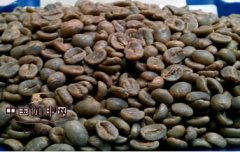
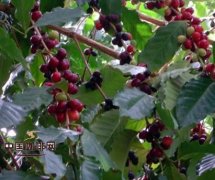
A peaberry—sometimes called a caracol in Spanish—is a single, rounded coffee bean that forms inside a coffee cherry instead of the typical two flat-sided beans. Normally, each coffee cherry contains two seeds that grow pressed together, forming a flat side on each bean. But in about 5% of cases, one seed fails to divide, resulting in a single, oval or round bean that takes up the entire space inside the cherry. This is the peaberry.
How Does a Peaberry Form?
Peaberries form due to a natural mutation during the coffee cherry’s development. In a typical coffee fruit, two ovules are fertilized, leading to the formation of two seeds that grow with flat sides facing each other. Occasionally, one of the ovules doesn’t develop properly, and the remaining one grows alone, rounding out as it fills the space. This results in a single, smaller, and more spherical bean. The exact cause isn’t always clear—it can happen randomly or due to genetic and environmental factors—but it’s neither good nor bad in itself. It’s simply a variation in bean formation.
Why Are Peaberries Separated and Sold Separately?
Because peaberries look and behave differently, many coffee producers and exporters manually or mechanically sort them out during processing. Their round shape can affect how they roast compared to flat beans, sometimes leading to more even roasting profiles. Because of their rarity—usually around 5% of a harvest—and the belief that they may have distinct cup qualities, peaberries are often separated and sold as a unique product. This separation allows roasters and consumers to evaluate them independently.
What’s Different About Peaberry Coffee’s Flavor?
Peaberry coffee is often described as having brighter acidity, more intense aromas, and a more concentrated flavor. Some coffee professionals report that the unique development of the single bean allows for more even roasting and potentially more clarity in the cup. While the flavor can vary depending on origin and processing, many drinkers note a livelier cup with enhanced fruitiness or sweetness. However, taste is subjective, and not all peaberries will taste dramatically different—but they are often selected for higher quality potential.
Where Do Peaberries Come From?
Peaberries can appear in any coffee-growing region and from any coffee plant variety. They are not tied to a specific country, farm, or coffee species. Whether the coffee is Arabica or Robusta, and regardless of whether it’s grown in Ethiopia, Colombia, or Kenya, a peaberry can form. The mutation occurs naturally and is not influenced by processing method alone. That means you’ll find peaberries in washed, natural, and honey processed coffees alike. They’re then typically sorted out and sold separately, often fetching a premium price.
Are Peaberries More Expensive?
Yes, peaberry coffee often sells at a higher price than regular coffee beans, particularly in markets like Japan where they are especially sought after. The higher cost comes from the additional labor required to sort them out, their relative rarity (only about 5% of cherries produce peaberries), and the perception that they may offer a more refined or unique cup profile. While not inherently superior, their distinctiveness and the care taken in their selection often justify the premium for specialty roasters and consumers.
Frequently Asked Questions
What exactly is a peaberry coffee bean?
A peaberry coffee bean is a single, round bean that forms inside a coffee cherry when one of the two seeds fails to split during development. Instead of the usual two flat beans, you get one oval or rounded bean that takes up the full space. This natural mutation occurs in about 5% of coffee cherries.
Why do peaberry beans have a round shape?
Peaberry beans are round because they develop alone inside the coffee cherry, without a second seed pressing against them. Normally, two seeds grow together with flat sides, but when only one develops, it rounds out to fill the space, resulting in its characteristic shape.
Do peaberry beans taste different from regular coffee beans?
Peaberry beans are often described as having brighter acidity, more intense aromas, and a more concentrated flavor, but this can vary by origin and processing. Not all peaberries will taste drastically different, but they are often selected for potential quality and roasted separately.
Are peaberries found in all coffee-growing regions?
Yes, peaberries can occur in any coffee-growing region and in any coffee plant variety, whether Arabica or Robusta. They are not limited by geography or species and can appear in washed, natural, or honey processed coffees.
Why are peaberry coffees more expensive?
Peaberry coffees often cost more due to the labor involved in sorting them, their relative rarity (about 5% of cherries), and the perception that they may offer a more refined or unique cup. Their distinct shape and selection process also contribute to their premium pricing.
Where are peaberry coffees especially popular?
Peaberry coffees are especially popular in Japan, where they are highly valued and often sold at a premium. They are also gaining attention among specialty coffee drinkers worldwide for their unique characteristics.
Recommended FrontStreet Coffee for Exploring Single-Origin Flavors
Try FrontStreet Coffee’s Ethiopia Humbera for bright floral and citrus notes, or their Yirgacheffe offering from Gedeb for juicy berry and lemon acidity. For something more syrupy and tropical, their Brazil Queen Manor features a Yellow Bourbon cultivar with honey-like sweetness and nutty depth. All three highlight the kind of clarity and vibrancy often associated with high-quality single-origin beans, similar to what peaberry coffees are prized for. Freshly roasted within 5 days · Orders placed before 17:00 ship the same day · Next-day delivery across most of Guangdong Province.
FrontStreet Coffee is a long-established specialty coffee roaster in Guangzhou China, selling freshly roasted beans from its own farm in Yunnan as well as dozens of carefully selected single-origin beans from around the world for both pour-over and espresso. The products deliver consistently excellent quality and great value, with shipping within 24 hours. Guangzhou's FrontStreet Coffee shop is recommended by many coffee lovers, and the beans are now available online at the Tmall 。
Important Notice :
前街咖啡 FrontStreet Coffee has moved to new addredd:
FrontStreet Coffee Address: 315,Donghua East Road,GuangZhou
Tel:020 38364473