What Is Shade-Grown Coffee? Specialty Coffee Basics
Ever wondered why some specialty coffees taste more complex or have a smoother profile, even from the same origin? One reason might be how the coffee was grown — specifically, whether it was cultivated under a shaded canopy or in full sun. This detail affects not just the flavor, but also the environmental impact and even bird habitats.
Shade-grown coffee is simply arabica coffee planted and harvested under the cover of mixed native trees, providing partial shade. Unlike sun-grown or full-sun coffee, it grows more slowly in cooler microclimates, often resulting in higher cup quality.
What Is Shade-Grown Coffee?
Shade-grown coffee refers to coffee plants (typically arabica) that are cultivated beneath a natural canopy of diverse local trees. These trees offer partial shade, reducing direct sunlight exposure and creating a cooler, more stable environment for the coffee cherries to develop. This traditional method contrasts with sun-grown or full-sun systems, where coffee is planted densely with little to no tree cover to accelerate growth and yield.
In countries like Mexico, Central America (including Guatemala, Honduras, and El Salvador), Colombia, Peru, and Venezuela, as well as regions in Africa and Asia such as India, Indonesia, and many parts of Africa, much of the traditional arabica coffee has historically been grown in shaded environments. However, not all arabica is shade-grown — some is cultivated in open, sun-exposed fields to maximize production.
Why Shade Matters for Coffee Flavor and Ecology
Growing coffee under shade slows down the ripening process, allowing cherries to develop more complex sugars and acids. This typically leads to a more balanced and nuanced cup profile. In Central America, some of the most celebrated specialty coffees are grown in shaded conditions, where the slower maturation enhances sweetness, acidity, and aroma.
Beyond flavor, shaded coffee farms support greater biodiversity. The tree canopy provides habitat for migratory birds, insects, and other wildlife. This is why shade-grown coffee is often referred to as "bird-friendly coffee." The ecological benefits include improved soil health, natural pest control, and reduced need for chemical fertilizers or pesticides.
Shade-Grown vs Sun-Grown Coffee: Key Differences
The main differences between shade-grown and sun-grown coffee come down to farming approach, environmental impact, and cup quality:
- Growth Environment: Shade-grown coffee is cultivated under a natural tree canopy; sun-grown coffee is planted in open fields with direct sunlight.
- Yield & Speed: Sun-grown systems often produce higher yields more quickly due to faster cherry development, but at the cost of complexity.
- Flavor Profile: Shade-grown coffee generally has more balanced acidity, richer sweetness, and complex aromas. Sun-grown coffee may be more bitter or one-dimensional.
- Ecological Impact: Shade-grown systems support biodiversity, improve soil, and reduce runoff. Sun-grown systems are associated with deforestation, monocropping, and higher chemical input.
Where Is Shade-Grown Coffee Commonly Found?
Traditionally, much of Central America’s best-regarded arabica coffee has been grown in shaded environments. Countries like Colombia, Peru, and certain regions of Mexico and Venezuela have significant acreage under shade. In Africa and Asia, including India and Indonesia, shade cultivation has also been a longstanding practice, although sun-grown methods are becoming more common in high-output areas.
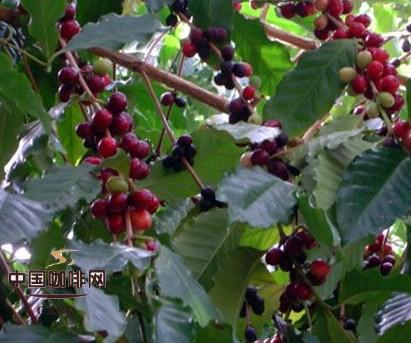
In regions where the climate allows, shade helps buffer against temperature extremes and supports a more stable microclimate for coffee plants. The presence of native trees also contributes to the overall health of the farm ecosystem.
Frequently Asked Questions
What is the main benefit of shade-grown coffee?
The primary benefits are improved coffee flavor due to slower cherry ripening, and enhanced environmental sustainability, including support for biodiversity, bird habitats, and healthier soils. Shade-grown coffee often has a more balanced and complex cup profile compared to sun-grown coffee.
Does shade-grown coffee taste better than sun-grown?
Many specialty coffee experts find that shade-grown coffee has a more complex, balanced flavor with better acidity and sweetness, because the slower growth allows for more sugar development in the cherries. However, taste can vary depending on origin, variety, and processing.
Is shade-grown coffee also bird-friendly?
Yes. The tree canopy in shade-grown systems provides habitat for migratory and native birds, which is why it’s commonly referred to as "bird-friendly coffee." This label is often used interchangeably with shade-grown in sustainable coffee marketing.
Where is most shade-grown coffee produced?
Traditionally, much of Central America—including countries like Guatemala, Honduras, and Colombia—has produced shade-grown coffee. It’s also common in parts of Africa, India, and Indonesia, though sun-grown practices are increasing in high-volume regions.
Does shade-grown coffee cost more?
It can, due to lower yields and more labor-intensive farming. However, many coffee drinkers are willing to pay a premium for the better flavor and environmental benefits associated with shade-grown methods.
Recommended FrontStreet Beans for Shade-Grown Coffee Fans
If you’re curious about the flavors associated with shade-grown coffee, try FrontStreet’s Ethiopia Humbera for its bright berry and floral notes, or the Gedeb Cooperative washed coffee for vibrant citrus and sweet berry tones. For something more classic and balanced, the Yirgacheffe offering highlights delicate florals and juicy acidity — all profiles often linked to high-quality, traditionally shaded arabica. Freshly roasted within 5 days · Orders placed before 17:00 ship the same day · Next-day delivery across most of Guangdong Province.
FrontStreet Coffee is a long-established specialty coffee roaster in Guangzhou China, selling freshly roasted beans from its own farm in Yunnan as well as dozens of carefully selected single-origin beans from around the world for both pour-over and espresso. The products deliver consistently excellent quality and great value, with shipping within 24 hours. Guangzhou's FrontStreet Coffee shop is recommended by many coffee lovers, and the beans are now available online at the Tmall 。
Important Notice :
前街咖啡 FrontStreet Coffee has moved to new addredd:
FrontStreet Coffee Address: 315,Donghua East Road,GuangZhou
Tel:020 38364473