What Is Monsoon Coffee? Specialty Coffee Basics
If you’ve ever sipped a cup of coffee that felt unusually smooth, full-bodied, and oddly reminiscent of roasted peanuts and tobacco, you might have tasted monsoon coffee without knowing it. This isn’t your average specialty coffee. It’s the result of a centuries-old processing method unique to India—one that transforms green coffee beans through prolonged exposure to seasonal humidity. But what exactly is monsoon coffee, and why does it taste so different?
Monsoon coffee is a type of Indian coffee, specifically from southern India, processed by exposing dried green beans to monsoon winds for 12 to 16 months. The beans double in size, turn a dull golden color, and develop lower acidity with heightened body and a distinct musty sweetness.
What Is Monsoon Coffee?
Monsoon coffee, also known as Monsooned Malabar, is a unique coffee style originating from the Malabar region of southern India. Unlike typical specialty coffee that aims to preserve origin characteristics through controlled processing, monsoon coffee is intentionally altered. The beans are stored in open warehouses where they’re exposed to the moist southwest monsoon winds. This exposure causes physical and flavor changes: the beans swell, lose acidity, and gain a heavy, earthy body.
How Monsoon Coffee Is Made
The process begins with regular dried green coffee beans, typically processed via the washed method. Once harvested and dried to around 11–12% moisture, the beans are stored in special ventilated warehouses designed to allow moist monsoon air to circulate freely among the beans. Workers regularly rake and turn the beans by hand to ensure even exposure. Over 12 to 16 months, the beans absorb moisture from the humid air, expand to nearly twice their original size, and change color to a muted golden hue. After aging, any beans that haven’t expanded uniformly are sorted out. The remaining beans are graded and prepared for export.
Flavor Profile of Monsoon Coffee
Monsoon coffee doesn’t have the bright, fruity aromas typical of freshly roasted specialty beans. Instead, its dry fragrance is relatively mild. But when brewed, it releases a complex scent of dark roasted nuts—like dry-roasted peanuts—along with caramel and tobacco. On the palate, it presents a low-acid, heavy-bodied cup with a syrupy mouthfeel and a distinct mustiness. The flavor notes often include sweet, roasted nuttiness, subtle tobacco, and a soft molasses-like sweetness.
Why This Process Exists
This method originated during the days of sailing ships, when green coffee beans traveled by sea from India to Europe. By the time they arrived, the long exposure to sea air had naturally softened their acidity and enlarged their size. Modern coffee drinkers in Europe came to prefer this mellow profile. To replicate those conditions, Indian producers began storing beans in monsoon-exposed warehouses to mimic the ocean journey. Today, it’s a deliberate tradition, not a coincidence.
Frequently Asked Questions
What is the purpose of monsoon aging in coffee?
Monsoon aging is used to reduce the acidity and increase the body of coffee beans. By exposing dried green coffee to moist monsoon winds for 12–16 months, the beans absorb humidity, swell in size, and develop a softer, less acidic, and more syrupy flavor profile with notes of roasted nuts and tobacco.
How long does monsoon coffee take to process?
The monsoon coffee process takes between 12 to 16 months. During this time, beans are stored in ventilated warehouses and regularly turned to ensure even exposure to humid monsoon air.
Does monsoon coffee taste like regular coffee?
No, monsoon coffee tastes quite different. It has lower acidity, a heavier body, and a musty, earthy flavor with notes of roasted peanuts, caramel, and tobacco. It lacks the bright, fruity notes typical of freshly roasted specialty coffees.
Where does monsoon coffee come from?
Monsoon coffee comes from the Malabar coast of southern India. It is primarily made using Arabica beans grown in that region, which are then specially processed through prolonged monsoon exposure.
What does monsoon coffee look like?
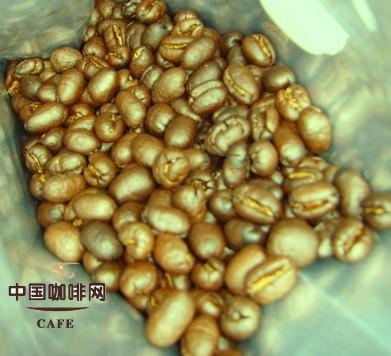
After processing, monsoon coffee beans are about twice their original size and have a dull, golden-yellow color. Their appearance is markedly different from untreated green or roasted coffee beans.
Recommended FrontStreet Beans for Exploring Asian Profiles
For coffee lovers curious about regional processing styles like monsoon coffee, FrontStreet offers several Asia-origin beans that highlight unique profiles. Try the Lintong Mandheling, a classic Indonesian-style coffee with deep herbal notes and a bold, low-acid profile when roasted medium to dark—it shows complexity with spices, toast, and caramel. For something brighter but still smooth, the 2013 Yunnan Typica offers a balanced cup with nut, chocolate, and tea notes, ideal for exploring how altitude and processing shape Asian coffees. Both beans showcase the mellower, heavier side of specialty coffee without going through monsoon aging. Freshly roasted within 5 days · Orders placed before 17:00 ship the same day · Next-day delivery across most of Guangdong Province.
FrontStreet Coffee is a long-established specialty coffee roaster in Guangzhou China, selling freshly roasted beans from its own farm in Yunnan as well as dozens of carefully selected single-origin beans from around the world for both pour-over and espresso. The products deliver consistently excellent quality and great value, with shipping within 24 hours. Guangzhou's FrontStreet Coffee shop is recommended by many coffee lovers, and the beans are now available online at the Tmall 。
Important Notice :
前街咖啡 FrontStreet Coffee has moved to new addredd:
FrontStreet Coffee Address: 315,Donghua East Road,GuangZhou
Tel:020 38364473