
Coffee Knowledge
Latest articles, industry insights and brewing guides

How to Make Flavored Coffee with Blended Roasting
Learn how to blend and roast coffee with salt, peanuts, eggs, and sugar to create flavorful, low-bitterness coffee powder in under an hour.

How to Define Coffee Roast Levels by Agtron Numbers
Learn how Agtron numbers scientifically classify coffee roast levels—from light to dark—and understand how roast impacts flavor and caffeine.

How Coffee Roasting Works: Heat Transfer & Common Pitfalls
Learn the core principles of coffee roasting—conduction, convection, and radiation—and avoid common mistakes that ruin roast quality.

Key Coffee Roasting Techniques Every Home Roaster Should Know
Learn when to start dehydration, set climb temps, manage smoke, use the slide, and cool beans properly for optimal specialty roast profiles.

Understanding Coffee Roast Levels for Specialty Beans
Learn how light, medium, dark, and extra-dark roasts affect coffee flavor, aroma, and acidity in specialty beans.

How Time and Temperature Work Together in Coffee Roasting
Coffee roasting is a time-temperature dependent process where physical and chemical changes create flavor. Learn how duration and heat shape your cup.

Acids in Roasted Coffee Explained
Learn which acids remain in roasted coffee and how roast level affects acidity levels like citric, malic, and quinic acid.

Understanding Coffee Roast Levels for Specialty Beans
Learn the key roast stages from light to dark, how they affect flavor, and why some are rarely used in specialty coffee.

What Is Medium Roast Coffee and How Is It Done?
Medium roast coffee balances acidity and body, peaks at 10–11 minutes, and suits beans like Colombian and Brazilian. Learn roast levels and flavor profiles.

How to Control Coffee Roast Degree: Beginner’s Guide
Learn how to adjust roast level using time, sensory cues, or digital tools — with methods that work for home and pro roasters alike.
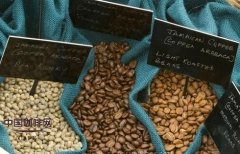
Why Specialty Roasters Blend Coffee Beans
Blending coffee isn't just about cost — it's how roasters craft unique, balanced flavors that single origins often can't achieve alone.

Blend First or Roast First? Coffee Blending and Roasting Methods
Should you roast coffee beans before or after blending? Discover which method works best for consistency, experimentation, and flavor development.
What Happens During Coffee Roasting and Why It Matters
Learn how coffee roasting transforms green beans into flavorful cups through heat-driven chemical changes, roast levels, and key principles.

What Makes a Good Cup of Coffee? Three Key Factors
A great cup of coffee depends on three elements: high-quality green beans, skilled roasting, and proper brewing. Master all three for the best results.
How Roasting Determines 80% of Coffee Flavor
Roasting transforms green coffee beans into aromatic, flavorful beans—80% of your cup’s taste comes from this crucial step.

What Is Light Roast Coffee and Why It Matters
Light roast coffee preserves bright acidity and floral-fruity notes. Learn how it’s roasted, what flavors it brings out, and when to choose it.

What Is Dark Roast Coffee? French, Italian & Continental Explained
Explore dark roast types like French, Italian, and Continental. Learn how deep roasting affects flavor, caffeine, and espresso brewing.

What Is Dark Roast Coffee and Who Drinks It?
Explore dark roast profiles like Dark French and Heavy roast, their global popularity, flavor traits, and which beans respond best—or worst—to extreme roasting.

How to Roast Coffee Beans with a Handheld Filter
Learn how to roast 100g of green coffee beans using just a handheld filter and stove—step-by-step, with timing, sounds, and cooling tips.

4 Essential Rules for Grinding Coffee Beans
Learn why grind size, low heat, consistency, and freshness matter. Discover the best practices for brewing better coffee at home.