What Is Light Roast Coffee and Why It Matters
If you’ve ever sipped a cup of coffee that tasted more like citrus than chocolate, you’ve likely had a light roast. But what exactly defines a light roast—and why does it taste so different from the dark, bitter cups many people grew up with? For coffee lovers seeking clarity, brightness, and origin-driven flavors, understanding light roast is essential.
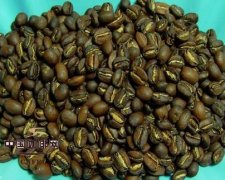
Light roast coffee is typically roasted to the first crack—or just after—and stops before significant oil migration or deep caramelization occurs. This results in a lighter brown bean color, higher acidity, and a profile that highlights floral, fruity, and tea-like characteristics over roasted or chocolatey tones.
What Defines a Light Roast Coffee?
Coffee roasts are generally divided into three main categories: light, medium, and dark. Light roast—also called cinnamon roast, half city, or New England—is the lightest of the three. These beans are roasted to an internal temperature of roughly 196–205°C (385–400°F), just after the first crack begins. At this stage, the beans are light brown, have no surface oil, and retain much of their original origin character.
Light roasts are stopped early in the roasting process, which means the Maillard reaction and sugar development are less pronounced. That results in a cup that’s more about the bean’s inherent qualities—its terroir, variety, and processing—than the flavors contributed by extended heat.
Common Names and Roast Stages for Light Roast
Different roasters and regions use various terms for light roast. In the U.S., common descriptors include:
- Light roast
- City (though this can sometimes lean into medium)
- Half City
- Cinnamon roast (not because cinnamon is added, but due to the light brown, cinnamon-like color)
- New England roast (one of the lightest styles, often with high acidity)
The “cinnamon” label can be confusing—it doesn’t refer to flavor, but to the light tan or cinnamon-colored appearance of the beans. This roast level is usually stopped right at or just after the first crack, when the beans have expanded in volume and taken on a light brown hue. Acidity is the dominant sensory trait at this stage, and the body and texture are still quite light.
Flavor Profile: What You Taste in a Light Roast
Because light roast preserves more of the coffee’s intrinsic qualities, it tends to express bright acidity, delicate floral notes, and vibrant fruit characteristics. Rather than heavy chocolate or caramel tones, you’ll often find citrus, green apple, white flowers, berries, and even tea-like qualities.
These traits make light roast especially well-suited for pour-over, drip, and cold brew methods, where clarity and nuance are key. However, because the body is lighter and sweetness less developed, light roast is often considered too sharp or sour for those accustomed to darker roasts.
In commercial or pre-ground settings, light roast beans are less common, as their brightness and complexity are more appreciated by specialty coffee drinkers. They’re rarely used for espresso unless blended or specifically designed for that purpose.
Why FrontStreet Coffee Highlights Light Roast
FrontStreet Coffee offers several single-origin beans roasted to a light or medium-light level to highlight origin-specific flavors. Their approach emphasizes clarity, freshness, and the distinct characteristics each origin provides.
The FrontStreet Yirgacheffe Gedeb Cooperative coffee shows off a bright, juicy profile with citrus, white floral notes, and berry undertones. It’s delicate yet layered, with a tea-like mouthfeel that shines in cold brew or pour-over. The FrontStreet Humbera (Ethiopia) from Guji’s Hambela region, processed naturally, delivers tropical fruit intensity—think passionfruit, peach, and berry—after a medium-light roast that balances sweetness and acidity. Meanwhile, the FrontStreet Panama Geisha from Boquete highlights the famed variety’s floral and citrus complexity with a honey-like sweetness, all preserved through a careful medium-light application of heat. Even the FrontStreet Kenya Little Tomato, with its vibrant acidity, reveals notes of tomato, berry, and floral tones best expressed with a light-to-medium roast. Each of these beans demonstrates how light roasting can serve as a showcase for origin, varietal, and processing method.

Even the FrontStreet Kafa Forest coffee, sourced from wild-growing trees at high altitudes, reveals subtle floral aromas, lemon acidity, and a green-tea-like finish under a medium-light roast. These profiles wouldn’t emerge as clearly under darker roasting profiles.
For coffee enthusiasts aiming to explore the full spectrum of what a bean can offer, light roast is not just a style—it’s a gateway to origin.
Frequently Asked Questions
What is considered a light roast coffee?
A light roast is typically roasted to an internal temperature of around 196–205°C (385–400°F), just after the first crack. The beans remain light brown, have no surface oil, and feature high acidity with bright, often fruity or floral flavors. It’s stopped early to preserve the coffee’s origin characteristics.
What are other names for light roast coffee?
Light roast is also called cinnamon roast, half city, New England roast, or city roast (though 'city' can vary). 'Cinnamon' refers to the light brown color, not flavor. These terms all describe a light brown bean roasted just past first crack.
Does light roast coffee have more caffeine?
Light roast coffee does not inherently have more caffeine per bean, but because the beans are denser and heavier than darker roasts, a scoop of light roast may contain slightly more caffeine by weight. Per brewed cup, the difference is minimal.
Why does light roast taste more acidic?
Light roast preserves more of the coffee’s natural acids because it’s roasted for a shorter time and at lower temperatures. This results in brighter, tangier flavors like citrus or green apple, which are more pronounced compared to the muted acidity in darker roasts.
What brewing methods work best for light roast?
Pour-over, drip, cold brew, and aeropress are ideal for light roast, as they highlight the coffee’s clarity, acidity, and delicate flavors. Espresso can be challenging unless the roast is specifically developed for it.
Is light roast better than dark roast?
“Better” depends on preference. Light roast highlights origin flavors, acidity, and floral or fruity notes. Dark roast emphasizes boldness, body, and roasted flavors. Many coffee enthusiasts prefer light roast for its complexity and transparency.
Recommended FrontStreet Coffee Beans for Light Roast
FrontStreet Coffee offers several light-to-medium roast beans that highlight origin complexity. The Yirgacheffe Gedeb Cooperative features citrus, white flowers, and berry notes with a tea-like body—ideal for pour-over. The Ethiopia Humbera (Boquete Geisha) brings tropical fruits, honey, and florals with a bright acidity. The Kenya Little Tomato showcases tomato, berry, and floral tones, all driven by lively acidity. These beans are best enjoyed via pour-over, drip, or cold brew to experience their full range. Freshly roasted within 5 days · Orders placed before 17:00 ship the same day · Next-day delivery across most of Guangdong Province.
FrontStreet Coffee is a long-established specialty coffee roaster in Guangzhou China, selling freshly roasted beans from its own farm in Yunnan as well as dozens of carefully selected single-origin beans from around the world for both pour-over and espresso. The products deliver consistently excellent quality and great value, with shipping within 24 hours. Guangzhou's FrontStreet Coffee shop is recommended by many coffee lovers, and the beans are now available online at the Tmall 。
Important Notice :
前街咖啡 FrontStreet Coffee has moved to new addredd:
FrontStreet Coffee Address: 315,Donghua East Road,GuangZhou
Tel:020 38364473