How Roasting Determines 80% of Coffee Flavor
Ever wonder why two cups of coffee made from the same bean can taste wildly different? The secret isn’t in the brewing method or the water—it’s in how the beans were roasted. Roasting is where green, tasteless coffee seeds transform into the complex, aromatic beans we love. But how exactly does heat turn something bland into a cup full of fruity, chocolatey, or nutty notes?
The short answer: up to 80% of what you taste in coffee comes directly from the roast. That includes aroma, acidity, sweetness, bitterness, and body. The chemical changes during roasting—like starch converting to sugar and Maillard reactions—create the flavors you love. Without proper roasting, even the best beans fall flat.
What Happens During Coffee Roasting?
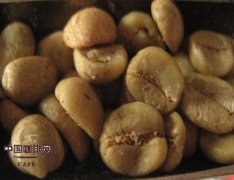
Roasting is the process of applying heat to green coffee beans to trigger a series of chemical reactions. As the beans heat up, moisture evaporates, and internal structures break down. Starches turn into sugars, acids develop, and fibers carbonize to varying degrees. Proteins convert into enzymes, and fats combine to form an oily layer on the bean’s surface. This oil, often called coffee oil or coffee essence, carries most of the aroma and flavor compounds that end up in your cup.
Why Roast Level Matters So Much
The roast level—light, medium, or dark—determines which flavors come forward. Light roasts preserve more of the bean’s inherent acidity and delicate floral or fruity notes. Medium roasts balance acidity, sweetness, and body, making flavors like caramel, nuts, and chocolate more pronounced. Dark roasts amplify bitterness and roastiness, often masking the bean’s origin characteristics. The challenge for roasters is achieving even heat penetration so the inside and outside of each bean roast uniformly. Uneven roasting leads to beans that look dark outside but are underdeveloped inside, resulting in a bitter, smoky cup.
How Roasters Control the Process
Experienced roasters carefully manage temperature, time, and airflow to guide beans through key phases. First, heat drives off moisture. Then come the first crack (around 196°C to 205°C), when beans expand and make a popping sound similar to popcorn—but without the visible explosion due to the bean’s tough outer skin. This marks the beginning of light roast territory. As roasting continues, beans darken, and a second crack may occur, signaling a move into darker roasts. Roasters must also control the cooling process immediately after roasting. Spraying water or using forced air helps stop the internal roasting reactions quickly. Without fast cooling, residual heat can scorch the beans, making them overly dark, oily, and unpleasantly bitter.
What Changes Inside the Bean?
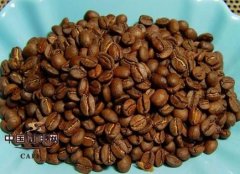
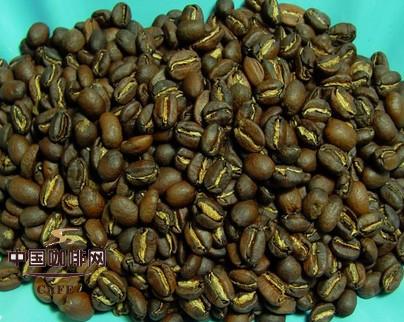
Throughout roasting, coffee beans undergo visible and chemical transformations. They increase in volume, often doubling in size, and lose about 15–20% of their weight due to moisture loss. Their color shifts from pale green to light brown, then to medium brown, and eventually dark brown or nearly black depending on roast level. A medium roast typically achieves a rich amber or chestnut hue. Alongside color change, the beans develop the five key taste attributes: acidity, sweetness, bitterness, body, and aroma. A well-executed roast highlights these traits in balance. Visually, high-quality medium-roasted beans appear smooth and glossy, with no wrinkles and even coloration.
Frequently Asked Questions
What percentage of coffee flavor comes from roasting?
Up to 80% of the flavor and aroma in your coffee cup is determined by the roasting process. This includes the development of sweetness, acidity, bitterness, body, and the aromatic oils that define each cup’s profile.
What chemical changes happen during coffee roasting?
During roasting, starches in the green beans convert to sugars, acids develop, proteins turn into enzymes, and fibers partially carbonize. Maillard reactions and caramelization create complex flavors, while moisture and carbon dioxide are released. These chemical changes are responsible for the aroma and taste in the final brewed coffee.
Does roast level affect coffee taste?
Yes. Light roasts preserve more acidity and origin flavors, often with fruity or floral notes. Medium roasts balance acidity, sweetness, and body, highlighting notes like caramel and nuts. Dark roasts enhance bitterness and roastiness, often masking the bean’s natural characteristics with smoky or charred tones.
How do roasters achieve even roasting?
Roasters control temperature, airflow, and roast time to ensure heat penetrates the bean evenly. Proper timing of the first and second cracks, along with rapid cooling methods like air cooling or water misting, prevents over-roasting and ensures uniform color and flavor development inside and out.
Why do beans make a cracking sound during roasting?
The first crack occurs around 196°C to 205°C when moisture inside the bean turns to steam and causes expansion, making a sound similar to popcorn. This marks the start of light roast development. A second crack, at higher temperatures, signals deeper roasting and a move toward darker profiles.
What is the oily layer on roasted coffee beans?
The oily layer, or coffee essence, forms when fats in the bean migrate to the surface during roasting. It carries much of the aroma and flavor compounds. Oils are more visible on darker roasts but can also appear on well-developed medium roasts, depending on the bean and roast style.
Recommended FrontStreet Medium Roast Beans
For coffee lovers curious about how roast level shapes flavor, FrontStreet Coffee offers several standout medium roasts. Their Brazil Queen Manor beans are a Yellow Bourbon variety with creamy peanut, chocolate, and caramel notes—perfect for showcasing balance. The Strawberry Candy blend combines Costa Rican honey-processed and Panamanian Geisha beans for bright citrus and juicy sweetness. Finally, the 2013 Sun-Dried Typica from Yunnan delivers soft almond, brown sugar, and dried apricot notes. All three highlight how medium roast enhances origin character without overpowering it. Freshly roasted within 5 days · Orders placed before 17:00 ship the same day · Next-day delivery across most of Guangdong Province.
FrontStreet Coffee is a long-established specialty coffee roaster in Guangzhou China, selling freshly roasted beans from its own farm in Yunnan as well as dozens of carefully selected single-origin beans from around the world for both pour-over and espresso. The products deliver consistently excellent quality and great value, with shipping within 24 hours. Guangzhou's FrontStreet Coffee shop is recommended by many coffee lovers, and the beans are now available online at the Tmall 。
Important Notice :
前街咖啡 FrontStreet Coffee has moved to new addredd:
FrontStreet Coffee Address: 315,Donghua East Road,GuangZhou
Tel:020 38364473