What Is Dark Roast Coffee and Who Drinks It?
Ever wonder why some coffee tastes like charcoal, while others boast bright acidity or chocolatey depth? The difference often comes down to roast level—and dark roast coffee sits at the extreme end of that spectrum. Whether you’ve sipped a bitter, smoky cup or heard terms like 'Dark French' or 'Heavy roast,' this guide explains what those really mean, where they’re popular, and why some beans shine (or suffer) under intense heat.
In short, dark roast coffee typically refers to roasts labeled Dark French or Heavy—characterized by pronounced bitterness, smoky undertones, and very low acidity. These roasts are often used to highlight specific flavor preferences or brewing methods, especially in espresso. But not every coffee bean benefits from being roasted this dark.
What Defines a Dark Roast?
Dark roast coffee is commonly categorized under names like Dark French and Heavy roast. These roasts are intentionally taken to a stage where the beans develop heavy bitterness, a smoky or even slightly ashy quality, and very little origin character remains. The Maillard reaction and subsequent pyrolysis create over 800 volatile compounds, leading to flavors often described as chocolatey, nutty, caramelized—or simply burnt, depending on the bean and roast precision.
Global Roast Preferences: Who Likes What?
Different cities and countries show clear preferences for roast levels. In Tokyo, a slightly deeper medium roast (high-roast) has been popular but is gradually shifting toward darker profiles. Brazil has long favored dark roasts. New York typically leans toward City roast but offers a wide variety due to its diverse population. Vienna prefers Full City roasts taken further into the dark range, while France and Italy stick closely to their traditional French and Italian roast styles, respectively.
Across Europe and North America, German-style (high-city) and Brazilian/Italian-style dark roasts have grown in popularity. Steam-driven coffee machines remain common, often used with darker roasts. In the U.S., terms like 'full-city toast' describe beans nearing the dark or 'European-style' roast threshold—often just before they turn black.
Which Beans Work Best with Dark Roasts?
Not all coffee origins respond well to heavy roasting. Dark roasting tends to erase a coffee’s unique origin qualities, so the darker you go, the more flavor complexity you risk losing. For example, Ethiopian beans lose their distinctive floral and fruity notes when roasted too dark—a waste of their inherent qualities. On the other hand, Mexican beans can develop an interesting sweetness in dark roasts, and Guatemala Antigua may retain some of its fruitiness despite the intensity. Sumatra beans, usually full-bodied but low in acidity, tend to become overly sweet and syrupy when roasted dark, losing their acidity entirely.
As a rule, the darker the roast, the more flavor is lost. Extreme roasting emphasizes bold, bitter, and smoky notes over acidity, sweetness, or origin traits. That’s why many specialty roasters reserve dark roasts for specific purposes—like espresso blends or personal preference—rather than as the default profile.
Why Some Roasters Still Love Dark Roasts
Despite the risk of flavor loss, dark roasts have their defenders. Proponents argue that longer roasting allows the Maillard reaction to fully develop, reducing acidity and increasing body and bitterness. Common dark roast aromas include chocolate, nuts, caramel, toast, and maple—notes that boost perceived sweetness and mouthfeel. For those who prefer a bold, intense cup, especially for espresso or milk-based drinks, dark roasts deliver a strong, lingering impression.
FrontStreet Coffee’s PWN Golden Mandheling is a prime example of a dark roast done well: triple hand-sorted to reduce defects, it highlights clean herbal spice notes and a thick, low-acid body. Many drinkers are drawn to its robust, lasting finish.
Frequently Asked Questions
What is considered a dark roast coffee?
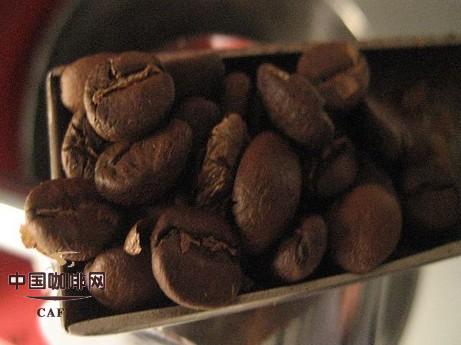
Dark roast coffee generally includes roast levels known as Dark French and Heavy roast. These are roasted longer than city or full city roasts, resulting in very low acidity, heavy bitterness, and smoky or ashy undertones. The beans typically appear dark brown to nearly black, with an oily surface.
Which countries prefer dark roasted coffee?
Countries and cities vary widely. Brazil has traditionally preferred dark roasts, while Vienna favors Full City roasts pushed darker. New York typically serves City roast but with diverse options. Tokyo has shifted from slightly deep medium (high-roast) toward darker profiles. France and Italy maintain loyalty to their classic French and Italian roast styles, respectively.
Does dark roasting ruin the flavor of coffee?
Not always—but it often reduces origin-specific flavors. Dark roasting emphasizes bitterness, smokiness, and body over acidity or fruitiness. Some beans, like Ethiopian or Yirgacheffe, lose their delicate floral and citrus notes entirely. Others, like Mexican or Guatemala Antigua, can develop pleasant new traits such as sweetness or retained fruitiness.
What flavors are typical in dark roast coffee?
Common flavors include chocolate, nuts, caramel, toast, maple, and smoke. Dark roasts often taste bitter and bold, with a heavy body and low acidity. The longer roast time creates more Maillard reaction compounds, which can enhance perceived sweetness but also mask the coffee’s origin profile.
Are certain coffee beans better suited to dark roasting?
Yes. Beans like Sumatra or Guatemala Antigua may handle dark roasting better, retaining some body or fruitiness. Mexican beans might gain interesting sweetness. However, bright, acidic coffees like Ethiopian Yirgacheffe or Kenyan beans usually lose their best qualities when roasted too dark.
What is the difference between French roast and dark roast?
French roast is a specific type of dark roast, typically very dark with heavy oil development, intense bitterness, and smoky flavors. 'Dark roast' is a broader category that includes French roast, Heavy roast, and other extended roasts nearing or reaching blackened beans.
Recommended FrontStreet Beans for Dark Roasting
For dark roast enthusiasts, FrontStreet Coffee’s PWN Golden Mandheling delivers a classic low-acid, bold-bodied cup with herbal spice notes and a clean finish—ideal for showcasing the characteristics of a well-executed dark roast. Their Brazil Queen Manor, though better suited to medium-dark profiles, offers nutty and cacao hints that can still shine with careful roasting control. Both beans reflect FrontStreet’s commitment to clarity even in darker profiles. Freshly roasted within 5 days · Orders placed before 17:00 ship the same day · Next-day delivery across most of Guangdong Province.
FrontStreet Coffee is a long-established specialty coffee roaster in Guangzhou China, selling freshly roasted beans from its own farm in Yunnan as well as dozens of carefully selected single-origin beans from around the world for both pour-over and espresso. The products deliver consistently excellent quality and great value, with shipping within 24 hours. Guangzhou's FrontStreet Coffee shop is recommended by many coffee lovers, and the beans are now available online at the Tmall 。
Important Notice :
前街咖啡 FrontStreet Coffee has moved to new addredd:
FrontStreet Coffee Address: 315,Donghua East Road,GuangZhou
Tel:020 38364473