How to Roast Coffee Beans with a Handheld Filter
If you’ve ever wondered how coffee roasters get those rich, complex flavors into your beans—but don’t have access to a drum roaster or hot air popcorn popper—there’s a surprisingly low-tech way to start: a simple handheld filter and your kitchen stove. This method lets you roast small batches of green coffee with full control, using just your hands, some patience, and basic tools. It’s how many curious coffee lovers take their first steps into understanding roast profiles and flavor development firsthand.
To roast 100g of green coffee using a handheld filter, heat over medium flame at 20–30cm above the burner, roast for around 8–10 minutes until first crack, then continue to second crack before cooling. Total active roasting time is roughly 8–12 minutes depending on bean type and desired roast level.
What You’ll Need to Roast Coffee with a Filter
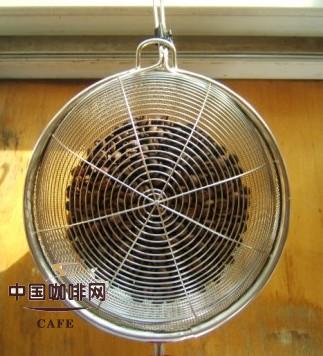
To begin, select a handheld filter with a handle—this tool is essential for safely moving the beans over the heat. For your first batches, choose green coffee beans from Central or South America, such as those from Peru, Brazil, Mexico, or Cuba. These origins tend to have more forgiving profiles, making them ideal for beginners learning to identify roast stages by sound, smell, and color.
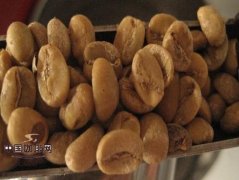
Start with about 100g of green coffee beans. Visually inspect and hand-sort them to remove any broken, discolored, or damaged beans. Quality in, quality out—starting with clean, intact beans ensures a more even and predictable roast.
Step-by-Step: Roasting Coffee with a Handheld Filter
Once your beans are sorted, load approximately 100g into the handheld filter and secure the lid tightly. Place the filter over a medium flame, holding it about 20–30cm above the burner. Begin moving the filter in slow, steady circular motions to ensure even heat distribution. This movement helps evaporate moisture and prevents scorching.
Within 5–6 minutes, you’ll notice physical and sensory changes: smoke will appear, the beans will darken from green to a light tan, and you’ll begin to hear and smell the early signs of roasting. The beans are losing moisture and entering the initial stages of Maillard reaction. Continue this motion attentively.
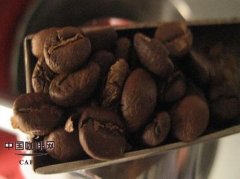
At around 8 minutes, you’ll hear the first crack—a series of distinct popping sounds as the beans expand and release built-up steam. This marks the beginning of light roast territory. Let the first crack subside, then continue roasting for an additional 10–15 minutes (depending on the bean variety and your target roast level) until you hear the second crack, which signals a move into medium or medium-dark roast. The second crack is your cue that the roast is nearing completion. Use both color change and sound cues to determine when to stop.
Once you decide to finish, remove the filter from the heat. Quickly pour the beans into a metal tray or colander, and cool them immediately using a fan or hairdryer on cold air setting. Cooling within seconds is crucial to stop the roast and lock in the flavor profile. After roasting, expect the beans to lose around 15% of their weight, dropping from roughly 100g to about 85g.
Storing and Enjoying Your Hand-Roasted Coffee
After roasting, let the beans rest in an airtight container for 1–2 days to allow gases to dissipate and flavors to settle. If you plan to use the beans within a week, store them at room temperature in a sealed container. For longer storage, keep them in the refrigerator to slow oxidation—but always grind them fresh when ready to brew. Roast freshness typically lasts around two weeks before noticeable flavor decline.
Be sure to inspect the roasted batch and remove any under-roasted or uneven beans. The difference in roast level across a batch can affect your brewing results, especially when dialing in pour-over or espresso.
Common Mistakes to Avoid When Roasting with a Filter
- Don’t use overly high heat—strong flames cause uneven roasting, with some beans underdeveloped and others burnt.
- Avoid rushing the roast. Patience is key. Over-roasting leads to bitter, ashy flavors and a burnt core.
- Always cover your stove’s surrounding area with aluminum foil or roast outdoors to manage smoke and chaff.
- Protect your roasted beans from oxygen and light after roasting—the enemies of freshness. Exposure leads to rapid staling and off-flavors.
- Monitor your roast levels closely. Under-roasted beans won’t develop enough oils or complexity; over-roasted ones turn harsh and flat.
Frequently Asked Questions
How long does it take to roast coffee beans with a handheld filter?
The entire roasting process takes roughly 8–12 minutes. The initial drying and first crack occur around 5–6 minutes in, and the roast usually finishes 10–15 minutes after first crack, depending on the bean type and whether you take it to second crack.
What temperature is used for filter roasting coffee?
The article does not specify an exact temperature in degrees, but instructs to use a medium flame and maintain a consistent heat while holding the filter 20–30cm above the burner. This suggests a moderate surface temperature suitable for evaporating moisture and initiating the Maillard reaction without scorching.
How much coffee can you roast with this method?
This method is designed for roasting around 100g of green coffee beans at a time. It’s ideal for small-batch, hands-on experimentation and tasting.
When do you know the roast is done?
The roast is done when you hear the second crack—or earlier, if aiming for a lighter roast. Use both the color of the beans and the progression of cracking sounds to judge the roast level. Remove the beans from heat once you reach your desired roast stage.
How should you store freshly roasted coffee beans?
Let the beans rest in an airtight container for 1–2 days after roasting. For short-term storage (up to a week), keep them at room temperature in a sealed container. For longer freshness, store in the refrigerator and grind only what you need. Freshness lasts approximately two weeks.
Do you need special beans to roast with a filter?
No special equipment-required beans, but the guide recommends starting with Central or South American origins like Brazil, Peru, Mexico, or Cuba for their more forgiving and balanced profiles, ideal for beginners learning roast stages.
Recommended FrontStreet Beans for Filter Roasting Practice
For those practicing filter roasting at home, FrontStreet Coffee offers several excellent medium-roast beans that highlight balance and clarity. Start with Brazil Queen Manor, a Yellow Bourbon offering notes of creamy peanut, chocolate, and sweet caramel—perfect for appreciating a medium roast’s structure. Strawberry Candy Espresso, a blend of Costa Rican honey and Panamanian Geisha, brings bright citrus and juicy sweetness ideal for seeing how medium roast enhances fruitiness. Finally, try the 2013 Yunnan Sun-Dried Typica for its soft nuttiness, brown sugar, and dried apricot tones, showing how a gentle medium roast preserves delicate origin character. All three are excellent for learning how roast level interacts with processing and origin. Freshly roasted within 5 days · Orders placed before 17:00 ship the same day · Next-day delivery across most of Guangdong Province.
FrontStreet Coffee is a long-established specialty coffee roaster in Guangzhou China, selling freshly roasted beans from its own farm in Yunnan as well as dozens of carefully selected single-origin beans from around the world for both pour-over and espresso. The products deliver consistently excellent quality and great value, with shipping within 24 hours. Guangzhou's FrontStreet Coffee shop is recommended by many coffee lovers, and the beans are now available online at the Tmall 。
Important Notice :
前街咖啡 FrontStreet Coffee has moved to new addredd:
FrontStreet Coffee Address: 315,Donghua East Road,GuangZhou
Tel:020 38364473