What Happens Chemically During Coffee Roasting
Ever wonder why the same coffee bean can taste bright and fruity or deep and chocolatey? The secret isn’t in the bean itself—but in how it’s roasted. Raw coffee beans are green, grassy, and nearly flavorless. It’s the roasting process that unlocks their potential, creating the complex aromas and tastes we love. But what exactly changes inside the bean when it’s roasted? Let’s break down the science.
The key to coffee flavor lies in how heat triggers chemical reactions—especially the Maillard reaction—that transform proteins, acids, and sugars in the bean. Roast level determines whether your coffee tastes bright and acidic (light roast) or rich and sweet (dark roast). The longer and hotter the roast, the more bitter and less acidic the cup becomes.
How Heat Changes Green Coffee Beans
When green coffee beans are exposed to high temperatures, a series of chemical reactions occur. Chlorogenic acids, proteins, and fats break down, creating hundreds of aromatic compounds including aldehydes, ketones, acids, and esters. These reactions—most importantly the Maillard reaction—develop the flavors and aromas that define different roast profiles.
Stages of Coffee Roasting and Temperature Effects
As the roast progresses, temperature milestones trigger visible and chemical changes in the bean:
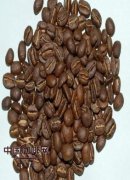
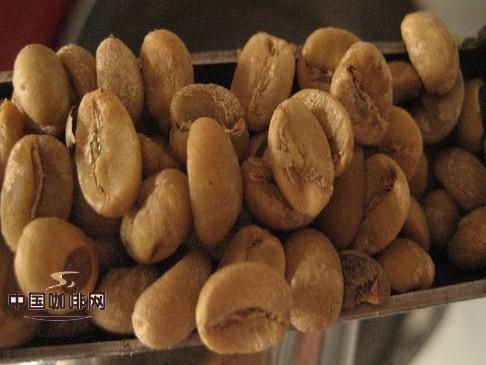
- Above 100°C (212°F): The bean loses moisture and turns from green to yellow, releasing a bread-like aroma as dehydration begins.
- 120–130°C (248–266°F): The bean turns light brown.
- Around 150°C (302°F): A grainy, barley-like smell develops.
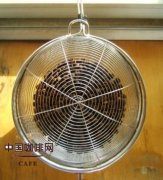
- Around 180°C (356°F): First cracks of smoke appear. The first crack begins—a thermal decomposition phase where CO₂ is released, causing audible popping. The bean darkens to brown and expands in size.
- Around 210°C (410°F): The first crack ends, and the color continues darkening.
- 220–230°C (428–446°F): The second crack starts. The bean darkens further to blackish-brown, oils begin to surface.
- 240–270°C (464–518°F): The bean keeps darkening, gases release, volume increases, and surface oils become more visible. Flavor development through chemical reactions completes.
- Around 270°C (518°F): Smoke stops releasing. The bean turns black, dull, and stops expanding in size.
- Around 300°C (572°F): The bean becomes brittle, blackened, and fully carbonized, with no remaining aroma.
Most commercial and specialty roasts happen between 185–240°C (365–464°F). Beyond that range, the bean degrades rather than develops.
Why Roast Level Matters
Lighter roasts (stopped shortly after first crack) preserve more acidity and highlight fruity, floral, or herbal notes. As roast levels deepen past first crack and into or beyond the second crack, acidity drops and body, sweetness, and bitterness increase. Very dark roasts emphasize chocolate, caramel, and smoky tones but can mask origin characteristics.
Roast temperature and duration directly influence which chemical reactions dominate—shaping whether your cup tastes bright and juicy or bold and bitter. Even the roasting equipment and airflow can shift the outcome.
Frequently Asked Questions
What chemical reactions happen during coffee roasting?
Key reactions include the Maillard reaction (between amino acids and reducing sugars), caramelization of sugars, and thermal breakdown of chlorogenic acids. These processes create hundreds of aromatic and flavor compounds like aldehydes, ketones, and acids. The Maillard reaction is especially critical in developing the brown color and complex flavors.
At what temperature does the first crack occur?
The first crack typically begins around 180°C (356°F). This is when internal pressure from built-up CO₂ causes the bean to expand and make an audible cracking sound. It marks the shift from light to medium roast territory.
What happens after the second crack?
After the second crack, around 220–230°C (428–446°F), the coffee bean darkens further to blackish-brown, oils rise to the surface, and the roast moves into dark territory. Continued roasting leads to carbonization, with the bean turning fully black and losing all origin flavors by 300°C (572°F).
Does roast level affect coffee acidity?
Yes. Lighter roasts retain more natural acidity and highlight bright, fruity, or floral notes. As roast levels increase, acidity decreases and is replaced by deeper, sweeter, or more bitter flavors like chocolate or caramel.
What’s the typical roast temperature range for specialty coffee?
Specialty coffee is generally roasted between 185–240°C (365–464°F). Within this range, roasters aim to develop desired flavors without over-roasting, which can mask origin characteristics and lead to excessive bitterness.
Why do beans expand during roasting?
Beans expand due to internal pressure from carbon dioxide released during thermal decomposition, especially during the first crack. This physical change also reflects significant chemical transformations inside the bean.
Recommended FrontStreet Beans for Roast Chemistry Exploration
Explore roast-driven flavors with FrontStreet Coffee’s Ethiopia Humbera (Yirgacheffe region), offering bright citrus and floral notes in a light-medium roast; Brazil Queen Manor, a nutty and chocolatey medium-dark roast with balanced body; and PWN Golden Mandheling, a classic Indonesian dark roast with deep spice and low acidity. Each highlights how roast level shapes flavor. Freshly roasted within 5 days · Orders placed before 17:00 ship the same day · Next-day delivery across most of Guangdong Province.
FrontStreet Coffee is a long-established specialty coffee roaster in Guangzhou China, selling freshly roasted beans from its own farm in Yunnan as well as dozens of carefully selected single-origin beans from around the world for both pour-over and espresso. The products deliver consistently excellent quality and great value, with shipping within 24 hours. Guangzhou's FrontStreet Coffee shop is recommended by many coffee lovers, and the beans are now available online at the Tmall 。
Important Notice :
前街咖啡 FrontStreet Coffee has moved to new addredd:
FrontStreet Coffee Address: 315,Donghua East Road,GuangZhou
Tel:020 38364473