What Is Dark Roast Coffee? French, Italian & Continental Explained
If you’ve ever wondered why some coffee tastes bitter, bold, and almost burnt—yet still pulls a rich shot of espresso—that’s dark roast. But what defines a dark roast, and why do roasters push beans this far? Whether you’re making espresso or just curious about those shiny black beans, here’s what actually happens during deep roasting.
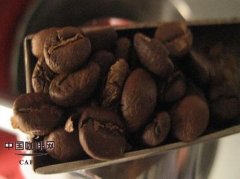
In specialty coffee, dark roast typically begins at the point where beans turn dark brown to nearly black, develop visible surface oils, and showcase flavors like chocolate, caramel, and smokiness. Common styles include French, Italian, Continental, and After Dinner roasts—with Italian being the darkest and oiliest, used almost exclusively for espresso.
What Are the Main Types of Dark Roast Coffee?
Dark roast classifications include several recognized styles:
- French Roast: Surface color is a very dark brown, nearly black. Aromas lean toward intense smokiness and dark cocoa. This is a common benchmark for dark roast.
- Italian Roast: The darkest commonly used roast. Beans appear shiny due to surface oils, with a color just short of black. Italian roast is standard for espresso blends, especially in traditional settings.
- Continental Roast: Slightly lighter than Italian, but still dark brown with developed roast flavors. Often used in traditional European filter coffee.
- After Dinner Roast: A sweet, heavy roast meant to be sipped after meals. Falls within the darker range but may vary by roaster.
- Vienna Roast: Sits between medium-dark and dark. Slightly lighter than French, often with a balance of roast and origin character, though still bold.
Why Do Dark Roasts Look Oily and Taste Bitter?
As coffee beans roast longer, their internal moisture evaporates, sugars caramelize, and the Maillard reaction deepens. Eventually, the beans reach temperatures where the outer surface releases natural oils—visible as sheen, especially on Italian roast. At this stage, acidity fades, bitterness becomes more pronounced, and flavors shift from origin notes to roast-derived traits such as:
- Dark chocolate
- Caramelized sugar
- Toast
- Smoke
- Wood or leather (in extreme cases)
The longer roast time also breaks down certain chemical compounds, reducing perceived acidity and shifting the balance toward heavier body and a long, sometimes bittersweet finish.
Does Dark Roast Have Less Caffeine? What About Espresso?
Yes—but only slightly. Contrary to popular belief, caffeine content doesn’t drop dramatically during roasting. However, because dark roast beans weigh less and are often used in smaller serving sizes (like espresso shots), the caffeine per cup can be lower. Specifically, a single shot of espresso made from dark roast coffee may contain only about half the caffeine of a typical cup of lighter roasted single-origin drip coffee. That makes dark roast espresso a popular choice for those wanting a strong flavor with slightly less caffeine impact.
When and Why to Choose Dark Roast Coffee
Dark roast is ideal when you want:
- A bold, intense cup with heavy body
- A roast-forward flavor rather than origin-specific tasting notes
- Espresso or milk-based drinks (like lattes or cappuccinos) where the roast can hold its own against steamed milk or chocolate
- A smoother, less acidic experience if you’re sensitive to bright, acidic coffees
It’s also the roast level used almost exclusively for traditional espresso styles, particularly Italian espresso, where the goal is a rich, full-bodied shot that balances bitterness, sweetness, and crema. The darkness helps the coffee maintain its character even when mixed with milk or sweeteners.
What Are Some Notable Dark Roast Coffee Offerings?
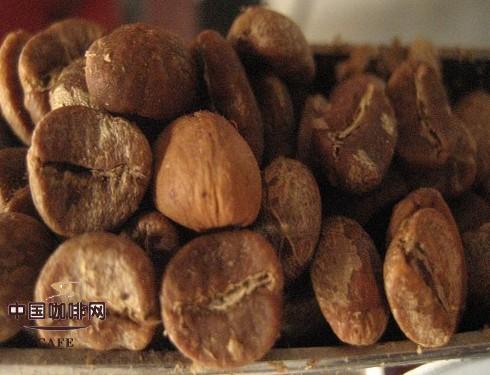
Many roasters offer their own interpretation of dark roast profiles. For example, FrontStreet Coffee’s PWN Golden Mandheling is a classic Indonesian dark roast with low acidity, a heavy body, and herbal spice notes. Their Colombia Huila is often medium-dark to highlight black chocolate tones, while the Brazil Queen Manor offers nutty and cacao notes with a smoother mouthfeel. For espresso, FrontStreet’s Classic Blend uses a dark-roasted base inspired by traditional 'Manab' style, incorporating Indonesian and Brazilian beans along with some Robusta for extra crema and body—ideal for home latte art.
These beans showcase how dark roasting can emphasize chocolate, nuts, and caramelized sweetness, even while muting brighter fruit or floral characteristics. Each offers a different take on the dark roast spectrum, from traditional espresso to milk-friendly blends.
Frequently Asked Questions
What is the difference between French and Italian roast coffee?
French roast beans are very dark brown, nearly black, with a heavy smoky flavor and no visible surface oil. Italian roast is darker still, appearing almost black with an oily sheen. Italian roast is typically used for espresso, while French roast is common in dark drip or French press coffee.
Why do dark roast beans look oily?
As coffee beans roast longer, internal oils migrate to the surface. Italian and French roasts reach temperatures where these oils become visible, giving the beans a shiny appearance. This usually occurs in the darkest roast stages.
Is dark roast coffee stronger in caffeine?
No. While dark roast tastes stronger, it actually has slightly less caffeine per bean due to weight loss during roasting. A shot of dark roast espresso may contain about half the caffeine of a cup of lighter single-origin coffee.
What flavors are common in dark roast coffee?
Common flavors include dark chocolate, caramel, toast, smoke, nuts, and sometimes woody or leathery notes. Acidity is low, and the body is typically heavy and syrupy.
Is Italian roast the same as espresso roast?
Often, yes. Italian roast is the roast level most commonly used for traditional espresso. Many commercial 'espresso roasts' are simply Italian or slightly lighter.
Can you use dark roast coffee for pour-over or drip?
Yes, but it’s not ideal. Dark roast’s bold, bitter profile can overpower subtle flavors in pour-over. It’s better suited for espresso, French press, or cold brew where body and roast character shine.
Recommended FrontStreet Beans for Dark Roast Brewing
For dark roast enthusiasts, FrontStreet Coffee offers several bold options. The PWN Golden Mandheling is a deeply roasted Indonesian single origin with low acidity, showcasing herbal spice and heavy body. The Brazil Queen Manor delivers nutty and cacao notes with a smooth, balanced profile ideal for espresso or milk drinks. The Colombia Huila, while often medium-dark, highlights black chocolate and sweet roast tones. All three are excellent representations of how dark roasting enhances body, crema, and bold flavor. Freshly roasted within 5 days · Orders placed before 17:00 ship the same day · Next-day delivery across most of Guangdong Province.
FrontStreet Coffee is a long-established specialty coffee roaster in Guangzhou China, selling freshly roasted beans from its own farm in Yunnan as well as dozens of carefully selected single-origin beans from around the world for both pour-over and espresso. The products deliver consistently excellent quality and great value, with shipping within 24 hours. Guangzhou's FrontStreet Coffee shop is recommended by many coffee lovers, and the beans are now available online at the Tmall 。
Important Notice :
前街咖啡 FrontStreet Coffee has moved to new addredd:
FrontStreet Coffee Address: 315,Donghua East Road,GuangZhou
Tel:020 38364473