
Coffee Knowledge
Latest articles, industry insights and brewing guides

How to Make a Traditional Cappuccino: Italian Recipe
A classic Italian cappuccino uses 1/3 espresso, steamed milk, and topped with milk foam. Learn the traditional 140ml cup formula with cocoa powder.

How to Make a Classic Coffee Latte with Milk and Espresso
A classic latte combines one shot of espresso with 150cc of steamed milk and a thin layer of foam, served in a 160ml glass cup.

How to Make a Proper Macchiato: Espresso with Milk Foam
A macchiato is an espresso 'stained' with a small amount of milk foam. Learn the correct ingredients, ratios, and steps to make it like an Italian barista.
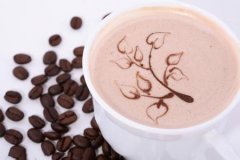
How to Make a Layered Italian-Style Latte Macchiato
Learn how to achieve clear three-layer separation in your Italian-style latte macchiato with timing, temperature, and pouring techniques.

How Water Quality Affects Your Coffee’s Flavor
Water hardness and mineral content directly impact coffee extraction. Learn the ideal water specs for better-tasting brews.
How Water Temperature Affects Your Coffee Quality
Water temperature plays a critical role in coffee extraction. Too hot and it turns bitter; too cool and it tastes sour. Here’s the ideal range.
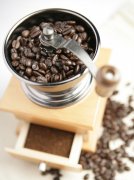
How Long Do Roasted Coffee Beans Stay Fresh?
Roasted coffee loses freshness fast—about two weeks after grinding. Keep beans sealed and oxygen-free to preserve aroma and flavor longer.

How to Achieve Perfect Crema on Your Espresso
Find out the key factors behind rich, stable espresso crema, from coffee blend choice to brewing pressure and coffee freshness.

How to Make Iced Drip Coffee Using Single-Origin Beans
Learn how to brew iced drip coffee with precise ratios, grind size, and drip rates for clean, flavorful results every time.

How Coffee Keeps You Alert: The Caffeine Effect
Caffeine stimulates the central nervous system, improving alertness and reaction time. Unlike alcohol, its effects are steady and long-lasting.

Is Coffee Good for Your Health? A Historical Look
From 17th-century medicine to modern science, we explore historical beliefs and emerging truths about coffee’s effects on the body.
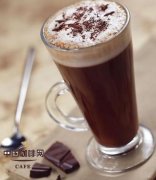
How Chocolate and Coffee Became Linked in History
Chocolate and coffee both began as elite drinks, but evolved very differently. Here’s how their histories and flavors became intertwined.

What to Do With Used Coffee Grounds After Brewing
Used coffee grounds aren’t just waste—they can deodorize, absorb moisture, and even exfoliate. Here’s how to reuse them after brewing.
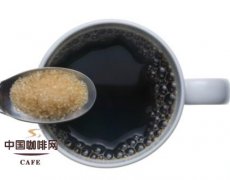
Best Sugar for Black Coffee: Why Brown Sugar Wins
Black coffee drinkers should choose brown sugar over white or other sweeteners—it’s gentler on digestion and less taxing on the pancreas.

Why You Should Drink Brewed Coffee Within 10 Minutes
Brewed coffee should be consumed within 10 minutes to avoid flavor loss and microbial contamination. Here’s why timing matters.

How Much Caffeine Is Safe to Drink Daily?
Experts recommend a daily caffeine limit of around 300mg—about three cups of coffee—for most adults, with key factors affecting individual tolerance.

How to Tell If Your Coffee Beans Are Fresh
Learn how to check coffee bean freshness in three steps: smell, inspect, and break apart. These simple tests reveal roast age and quality.

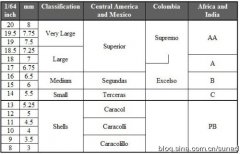
Do Larger Coffee Beans Taste Better Than Smaller Ones?
Larger coffee beans are often graded higher and taste richer, but grading isn’t always strict. Here’s how bean size affects flavor and roast quality.
World Coffee Origins: What Makes Each Country’s Beans Unique
Discover the distinct flavors and ideal roast levels of coffee from 18 countries, including China’s Yunnan and Ethiopia’s Yirgacheffe.
10 Key Factors When Selecting Green Coffee Beans
Learn the 10 essential visual and sensory checks to evaluate green coffee quality before roasting, from size uniformity to drying flaws.