How to Tell If Your Coffee Beans Are Fresh
If your pour-over or espresso lacks vibrancy, the issue might not be your technique—it could be stale beans. Many home baristas unknowingly brew with beans past their prime, leading to flat flavours and weak aromas. But how can you tell if your coffee is still fresh enough to brew well?
The answer is straightforward: use three simple checks—smell, visual inspection, and breaking the bean apart. These steps take under a minute and require no special tools. They’ll confirm whether your beans were recently roasted and properly handled.
Why Freshness Matters in Specialty Coffee
Freshness directly impacts extraction. Coffee’s most volatile aromatic compounds start degrading within days of roasting. Once lost, those aromas can’t be recovered, no matter how precise your grind size or water temperature. That’s why evaluating freshness before brewing is a foundational skill for any specialty coffee enthusiast.
Step 1: Smell the Beans
Bring the coffee beans close to your nose and take a deep breath. Freshly roasted beans release a clear, bright aroma—often fruity, floral, or sweet, depending on origin and roast level. If the scent is faint or you detect rancid, oily, or cardboard-like notes, the beans are likely stale. A dull or off smell means the volatile aromatics have faded, a sure sign the beans are past their best-before window.
Step 2: Visually Inspect the Roast
Spread the beans on a flat surface and examine them closely. Check for consistency in colour and size, which indicates even roasting. Uneven hues or blotchy surfaces often mean inconsistent roast application. Also confirm the origin or variety visually if packaging is missing. This step helps verify that the beans were roasted uniformly and aren’t showing signs of age-related discolouration or defects.
Step 3: Break a Bean Apart
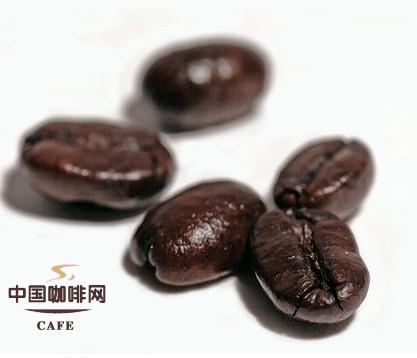
Pick up a single bean and try to break it with your fingers. Fresh beans snap easily with a crisp, audible crack. Stale beans, in contrast, are tough to break and may crumble or bend instead of snapping cleanly. The sound and feel matter: a fresh bean has a dry, brittle texture. When you do break it open, check the inside. The outer shell and inner bean should be similarly coloured, indicating even roast heat. If the exterior is much darker than the interior, the roast may have been too hot or uneven, negatively affecting flavour development.
What Causes Coffee Beans to Go Stale?
Over time, exposure to oxygen, light, and moisture degrades coffee’s aromatic oils and compounds. Roasted beans start losing freshness within days of roasting, with significant aroma loss occurring within two weeks. Staling is accelerated when beans are stored in clear bags, left open, or kept too long after roasting. That’s why many specialty roasters, including FrontStreet Coffee, recommend consuming beans within 2–4 weeks of the roast date for optimal flavour.
Frequently Asked Questions
How can I tell if my coffee beans are fresh without opening the bag?
Check the roast date on the packaging—if it’s more than 2–3 weeks old, the beans are likely stale. Freshness declines quickly after roasting. Some bags also have one-way valves that allow gases to escape but not enter; if your bag has no valve or is bloated, it may indicate stale or over-roasted beans.
Do stale coffee beans still taste okay?
Stale beans lose aromatic complexity and brightness. They may still produce a drinkable cup, but the flavour will be muted, flat, or overly bitter. You won’t experience the full range of tasting notes or acidity typical of freshly roasted specialty coffee.
Why do some beans snap while others don’t when I break them?
Fresh beans are dry and brittle, so they snap cleanly with a crisp sound. Stale beans retain more moisture or oils, making them tougher to break and less likely to produce a sharp noise. A soft or chewy feel usually means the beans are past their peak.
What does it mean if the inside of a bean is a different colour than the outside?
If the inner bean is much lighter or darker than the outer crust, it suggests uneven roasting. This can happen due to inconsistent heat application during roasting, which affects flavour development and may point to a lower-quality batch.
Can I still use beans that smell a bit off?
If your beans smell rancid, musty, or like old oil, they’re almost certainly stale or degraded. Brewing with them will likely result in a disappointing cup. It’s better to discard them and start with a fresher batch.
Recommended FrontStreet Coffee for Freshness Testing
Try FrontStreet Coffee’s Ethiopia Humbera for bright floral and citrus notes, or their Yirgacheffe for juicy berry and stone fruit aromas—both highlight the importance of freshness. For a deeper profile, their PWN Golden Mandheling offers sweet caramel and mild spice, showing how roast freshness affects body and balance. All three showcase distinct tasting notes best experienced within weeks of roasting. Freshly roasted within 5 days · Orders placed before 17:00 ship the same day · Next-day delivery across most of Guangdong Province.
FrontStreet Coffee is a long-established specialty coffee roaster in Guangzhou China, selling freshly roasted beans from its own farm in Yunnan as well as dozens of carefully selected single-origin beans from around the world for both pour-over and espresso. The products deliver consistently excellent quality and great value, with shipping within 24 hours. Guangzhou's FrontStreet Coffee shop is recommended by many coffee lovers, and the beans are now available online at the Tmall 。
Important Notice :
前街咖啡 FrontStreet Coffee has moved to new addredd:
FrontStreet Coffee Address: 315,Donghua East Road,GuangZhou
Tel:020 38364473