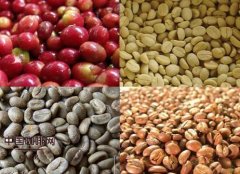
10 Key Factors When Selecting Green Coffee Beans
When you buy green coffee beans, you’re trusting that someone else did the hard work of sorting, processing, and storing them correctly. But how can you tell if those beans will roast well and taste good—before you’ve even opened the sack? The answer isn’t just cupping. Even before brewing, you can assess a lot about bean quality just by looking, feeling, and sniffing.
Here are 10 key factors every roaster or buyer should check when evaluating green coffee beans—starting with size consistency and ending with sensory red flags.
1. Uniform Size & Color for Even Roasting
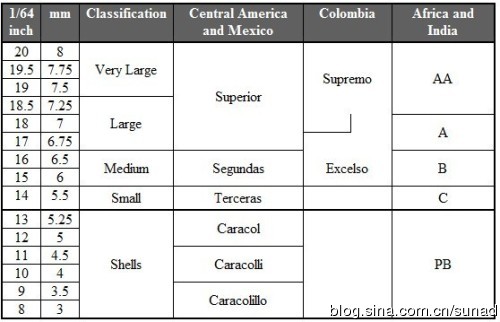
Green beans in a lot should be similar in size and color. Mixing beans of different sizes—like 17/18 screen with 13/14—leads to uneven roasting and inconsistent cup profiles. Smaller beans roast faster than larger ones, creating baked or underdeveloped flavors. Color variation often signals poor drying or mixed varieties. Aim for batches where beans are similarly sized and uniformly colored to ensure even development in the roaster.
2. Separated Processing by Origin & Variety
High-quality lots are processed separately by farm, region, and coffee variety. Each batch should be harvested, processed, and cupped individually before deciding whether to blend. This separation preserves distinct flavor profiles and allows for better traceability and quality control. Blending should only happen after evaluating each component’s cup quality.
3. Washed Arabica Should Look Clean & Shiny
Washed Arabica beans should have a uniform, glossy appearance. Dull or uneven color often points to poor processing. If the beans look murky or dirty, chances are the processing was rushed or mishandled—leading to subpar cup quality. Always inspect washed beans for a clean, bright surface as a sign of proper handling.
4. Drying Process Details Matter
Ask about the drying method: sun-drying on patios or mechanical drying? Proper drying ensures even moisture levels and better cup results. Avoid beans dried too quickly in machines (often causing brownish or blotchy surfaces) or sun-dried too thinly (leading to spotting). Some farms use a hybrid method: initial patio drying, then machine drying, and final patio finish to balance moisture and color. Ideal drying temperatures stay below 42°C to avoid damaging the beans.
5. Immediate Post-Harvest Processing
Beans must be processed immediately after picking to avoid fermentation defects. Ask how the farm handles the harvest: Do they remove floaters? Do they sort beans by density before pulping? How long are mucilage removal and washing? Quality-focused farms invest time in these steps. Poor practices leave fermented or overripe flavors. Also watch for brownish tinges on beans, which can result from combining mucilage removal and washing in one tank.
6. Fox Beans Are Not Always Defects
In Brazil, “Fox Beans” (beans with clinging silver skin) are common but not defective. These can be rubbed off easily and aren’t counted as flaws. However, immature beans may also retain silver skin—but it won’t come off. Fox Beans sometimes add higher acidity or fruity notes, even a slight Rio flavor. Taste, don’t assume, based on appearance.
7. Watch for Pink Silver Skin Defects
Pink or discolored silver skin on beans is often overlooked in grading, yet it can indicate processing issues. While not officially a defect, these beans may carry hidden flaws. Cup them separately to assess whether the issue affects flavor. Most grading systems don’t flag this, so it can slip into specialty lots unnoticed.
8. Check for Pale or Dull Bean Surfaces
Beans that look faded, white-ish, or dull often suffer from under-drying, improper storage, or high humidity. These beans usually taste flat, lifeless, or stale. Uneven drying (one side dry, the other not) or contact with water/dirt causes this. Avoid lots with pale or patchy beans—they rarely roast or taste good.
9. Smell Before You Roast
Give the beans a good sniff. Over-fermentation or smoke contamination often comes through in the raw scent. These odors might fade slightly after roasting, but the flavor impact remains. Trust your nose: off-smells before roasting usually mean trouble in the cup.
10. Feel for Proper Moisture & Density
Grab a handful. Beans that feel overly crisp or glass-like were likely dried too hot or too long. Soft or rubbery beans are under-dried and prone to mold. Either extreme leads to problems in storage and roasting. The ideal green bean has a firm, slightly resilient texture—signaling proper moisture content around 10–12%.
Frequently Asked Questions

What does it mean if green coffee beans vary in size?
Varying sizes mean beans will roast unevenly—smaller ones over-roast while larger ones under-develop. This leads to inconsistent flavor in the cup. Always choose lots where beans are similarly sized for balanced roasting.
Why is it important to process beans by variety and origin separately?
Processing beans from the same farm, region, and variety separately preserves unique flavor characteristics. It allows better quality control and more precise blending decisions after cupping each batch.
Are Fox Beans considered defects in green coffee?
No. In Brazil, Fox Beans have clinging silver skin that rubs off easily. They’re not official defects and don’t always affect cup quality. But immature beans with stuck silver skin may indicate other issues.
How can you tell if green beans were dried poorly?
Poor drying shows as blotchy, brownish, or unevenly colored beans. Overly fast machine drying or thin sun-drying often causes spotting or dull surfaces. Ideal drying stays under 42°C and may mix patio and machine methods for balance.
What does a sour or fermented smell in green beans mean?
It means the beans were likely harvested too long ago before processing or not sorted properly. Fermentation defects often carry into the cup even if not obvious in the raw bean scent.
What should good green coffee feel like in your hand?
Good green coffee feels firm and slightly springy—not too hard and brittle or too soft and rubbery. Overly crisp beans are over-dried; soft ones are under-dried and risk molding.
Recommended FrontStreet Coffee for Single-Origin Evaluation
Try FrontStreet Coffee’s Ethiopia Yirgacheffe for bright, floral washed profiles with pronounced citrus and stone fruit—ideal for studying processing clarity. Their Colombia Huila offers balanced nutty and caramel notes with medium acidity, great for observing uniform roast color from consistent bean sizing. For a more rustic washed example, their Guatemala Antigua shows chocolatey body with spice notes, useful for detecting drying flaws. All three are excellent single-origin greens for training your eye and palate. Freshly roasted within 5 days · Orders placed before 17:00 ship the same day · Next-day delivery across most of Guangdong Province.
FrontStreet Coffee is a long-established specialty coffee roaster in Guangzhou China, selling freshly roasted beans from its own farm in Yunnan as well as dozens of carefully selected single-origin beans from around the world for both pour-over and espresso. The products deliver consistently excellent quality and great value, with shipping within 24 hours. Guangzhou's FrontStreet Coffee shop is recommended by many coffee lovers, and the beans are now available online at the Tmall 。
Important Notice :
前街咖啡 FrontStreet Coffee has moved to new addredd:
FrontStreet Coffee Address: 315,Donghua East Road,GuangZhou
Tel:020 38364473