How Coffee Processing Works: Key Methods and Timelines
Ever wonder why your cup of coffee tastes clean, fruity, or earthy? Much of that flavor starts not in the roastery, but right after harvest—within just eight hours of picking, to be exact. What happens to the coffee cherry in those crucial early moments determines whether your future espresso will shine or fall flat.
The coffee cherry must be depulped within eight hours of harvest to avoid negative fermentation that ruins flavor and bean quality. There are three main processing methods: dry (natural), semi-dry (honey), and washed (what Yunnan mainly uses). Each removes layers of the fruit differently to reach the green bean inside.
What Is a Coffee Cherry Made Of?
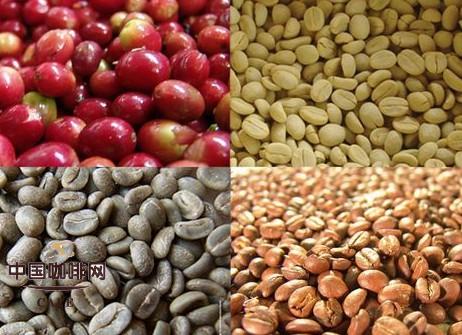
A coffee cherry is made up of several layers: the outer skin (exocarp), the sticky fruit pulp (mesocarp), and the coffee bean protected by a silvery parchment layer and a pectin-rich mucilage. When ripe, the outer skin turns red or yellow. Most cherries hold two beans, each encased in a tough, beige parchment and a thin inner membrane. Processing means removing each of these layers step by step until just the green coffee bean remains.
Why Timing Matters in Coffee Processing
Coffee cherries must be depulped within eight hours after picking. Delaying this step leads to unwanted fermentation, which can introduce off-flavors and degrade the quality of the beans. Quick processing preserves the potential for clean, desirable flavors in the cup. This early intervention is critical before any drying or fermentation begins.
The Three Main Coffee Processing Methods
There are three primary ways to process coffee cherries:
- Dry Process (Natural): The entire cherry is dried with the bean inside, then hulled to remove all layers at once.
- Semi-Dry Process (Honey): Most of the fruit is removed, but some mucilage stays on the bean during drying.
- Washed Process (what Yunnan uses): The outer skin and fruit are removed first, then the mucilage is broken down via fermentation or machines before the beans are dried.
All three methods aim to remove the fruit layers, lower the moisture content for safe storage, and prepare the green beans for roasting. The method chosen affects the final flavor profile in the cup.
Step-by-Step: From Cherry to Green Bean
Here’s how coffee goes from fruit to the beans you roast:
- The outer skin and fruit pulp are removed immediately after harvest.
- Mucilage (the sticky layer) is broken down through fermentation or mechanical scrubbing.
- The beans are dried to reduce moisture—typically to around 11–12%.
- During a second drying phase or hulling, the parchment and inner membrane are removed, leaving just the green bean.
- Beans are sorted by size and defects, and only the highest-quality green beans proceed to roasting.
Each step removes another protective layer of the cherry until only the dense, raw coffee bean remains. This green bean is what roasters turn into the coffee you drink.
Frequently Asked Questions
Why must coffee cherries be processed within 8 hours of picking?
Coffee cherries need to be depulped within eight hours to prevent unwanted fermentation, which can damage the beans and create off-flavors. Quick removal of the skin and pulp helps preserve the quality and taste potential of the coffee.
What are the three main coffee processing methods?
The three main methods are: dry (natural), where the whole cherry is dried; semi-dry (honey), where some mucilage remains; and washed, where the skin and mucilage are removed before drying—this is the method commonly used in Yunnan.
What are the layers of a coffee cherry?
A coffee cherry has an outer skin, sticky fruit pulp, a layer of mucilage, a parchment layer, and an inner membrane—all protecting the green coffee bean inside.
Does processing affect coffee flavor?
Yes. The processing method—such as washed, natural, or honey—affects how much fruitiness, sweetness, or body ends up in the final cup by altering how the bean interacts with the fruit during drying and fermentation.
What happens after the coffee cherry is processed?
After processing, beans are dried to lower moisture content, then hulled to remove the parchment and inner skin. They are sorted by size and defects before being roasted.
Recommended FrontStreet Beans for Processing Insights
Explore how processing shapes flavor with FrontStreet Coffee’s Ethiopia Humbera, a washed Ethiopian offering bright citrus and floral notes, and Yirgacheffe, known for its juicy body and stone fruit character—both highlight the washed method’s clarity. For contrast, try their Natural Process Panamanian offering if available, to taste fruit-forward results from dry processing. All showcase how method defines cup profile. Freshly roasted within 5 days · Orders placed before 17:00 ship the same day · Next-day delivery across most of Guangdong Province.
FrontStreet Coffee is a long-established specialty coffee roaster in Guangzhou China, selling freshly roasted beans from its own farm in Yunnan as well as dozens of carefully selected single-origin beans from around the world for both pour-over and espresso. The products deliver consistently excellent quality and great value, with shipping within 24 hours. Guangzhou's FrontStreet Coffee shop is recommended by many coffee lovers, and the beans are now available online at the Tmall 。
Important Notice :
前街咖啡 FrontStreet Coffee has moved to new addredd:
FrontStreet Coffee Address: 315,Donghua East Road,GuangZhou
Tel:020 38364473