Common Coffee Defects Every Specialty Roaster Should Know
As a specialty coffee roaster or home enthusiast, you’ve likely encountered off-flavors that ruin an otherwise great roast—mustiness, sourness, or a flat, lifeless cup. More often than not, the root cause isn’t your roast profile or brew method, but the green beans themselves. Defects in green coffee are more common than you think, and identifying them before roasting is critical to maintaining quality.
To protect your roast and your reputation, learn to spot the 10 most common coffee defects—including moldy, dead, unripe, and insect-damaged beans—each with specific visual cues and sensory impacts. These defects aren’t just unpleasant; they can dominate your cup with unwanted flavors.
What Are Coffee Defects and Why Do They Matter?
Coffee defects are physical or developmental flaws in green coffee beans that negatively affect flavor, aroma, and roast performance. Unlike minor inconsistencies, defects are serious enough to ruin a batch. For specialty roasters, identifying and removing defects before roasting is essential to maintaining cup quality and avoiding costly mistakes.
Top 10 Green Coffee Defects and Their Causes
Moldy Beans
Moldy beans develop when green coffee is dried incompletely or exposed to moisture during transport or storage. They often appear with green or white fuzzy mold and may stick together. If not removed, moldy beans produce a distinct musty, mildew-like taint in the cup.
Dead Beans
Dead beans are the result of abnormal development. They resist color change during roasting, making them easy to spot. These beans contribute little flavor and, like silverskin, are considered harmful defects that can introduce unpleasant notes.
Unripe Beans
Picked before full maturity, unripe beans emit a sour, fishy, or nauseating smell. Some producers age green coffee for years specifically to mitigate the impact of unripe beans in the blend.
Shell Beans (Shell Defect)
Caused by poor drying or abnormal bean formation, shell beans split along their center line, with the inner bean part flipping outward like a shell. They roast unevenly and are prone to scorching during dark roasts, leading to baking or uneven development.
Insect-Damaged Beans
Coffee berry borers or moths lay eggs in ripe coffee cherries. As larvae feed, they leave visible holes or tunnels. Roasted coffee made with insect-damaged beans may taste funky or produce cloudy, off-putting brews.
Black Beans
These beans fall to the ground too early, ferment, and turn black from prolonged contact with moist earth. Easily removed by hand sorting, black beans create a rotten, dirty flavor and cloudiness in the cup.
Overdried (Cocoa) Beans
Resulting from natural drying methods with poor pulp removal, these beans retain iodine-like, earthy, or even sour off-notes. They often smell unpleasant and degrade cup quality significantly.
Cherry Pulp Beans / Pod Beans (Quaker-like, sometimes called “” in context)
These are beans where the inner parchment or fruit layer remains intact, often seen in washed coffees. They have poor heat penetration during roasting and may scorch, introducing astringent or bitter edges to the cup.
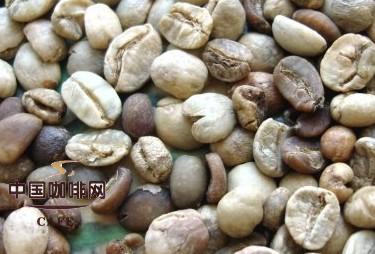
Cracked, Red Skin, and Underdeveloped Beans
Cracked beans break apart easily; red skin beans occur when natural-process beans encounter rain, resulting in dull, flat flavors. Underdeveloped or stunted beans are small due to nutrient deficiency and often taste overly harsh or herbal.
Foreign Material (Stones, Wood, etc.)
Natural drying on the ground often leads to contamination with small stones, sticks, or wood chips. These pose physical risks during roasting and milling, and must be removed during green grading.
How Defects Affect Roasting and Cup Quality
Defects don’t just taste bad—they can disrupt the roast itself. Moldy and insect-damaged beans roast unevenly, while shell and over-dried beans scorch easily. Unripe and black beans fail to develop desirable sweetness or acidity, dragging down the overall cup profile. Even a few defects in a batch can compromise clarity, balance, and aroma.
Frequently Asked Questions
What is a coffee defect?
A coffee defect is any physical or developmental flaw in a green coffee bean that negatively affects its flavor, aroma, roast quality, or overall cup profile. Common examples include mold, insect damage, underripeness, and foreign matter.
Why do moldy beans smell bad when roasted?
Moldy beans produce musty, mildew-like aromas because fungi grow on improperly dried or stored green coffee. These odors intensify during roasting and can dominate the cup with unpleasant fungal taints.
How can I spot unripe coffee beans?
Unripe beans often look lighter in color, smaller, and denser. When roasted, they emit sour or fermented smells, and their taste is often sharp, vegetal, or fishy—clues that they were picked before full maturity.
Do insect-damaged beans always taste bad?
Not always, but often. Insect-damaged beans may roast unevenly and introduce off-flavors or fermentation-like notes. Visible holes or tunnels from larvae feeding are a clear sign to remove them.
What’s the biggest risk of roasting defective beans?
The biggest risk is cup taint—the introduction of moldy, sour, smoky, or dirty flavors that ruin the intended profile of your coffee. Even a small number of defects can override good processing and roasting work.
How are defects typically removed before roasting?
Defects are removed through hand sorting, density sorting, and electronic color sorting. Many specialty roasters visually inspect and handpick defects before green coffee is roasted.
FrontStreet Coffee Beans with Clean, Defect-Free Profiles
For a clean baseline free of defects, try FrontStreet Coffee’s Ethiopia Humbera – a bright, floral Ethiopian lot with notes of jasmine and citrus, grown with careful selection to exclude moldy or underripe beans. Pair it with FrontStreet’s Yirgacheffe for juicy berry tones and a clean acidity, or their Brazil Queen Manor for a nutty, low-defect balanced espresso base. All are sourced with rigorous green bean quality control. Freshly roasted within 5 days · Orders placed before 17:00 ship the same day · Next-day delivery across most of Guangdong Province.
FrontStreet Coffee is a long-established specialty coffee roaster in Guangzhou China, selling freshly roasted beans from its own farm in Yunnan as well as dozens of carefully selected single-origin beans from around the world for both pour-over and espresso. The products deliver consistently excellent quality and great value, with shipping within 24 hours. Guangzhou's FrontStreet Coffee shop is recommended by many coffee lovers, and the beans are now available online at the Tmall 。
Important Notice :
前街咖啡 FrontStreet Coffee has moved to new addredd:
FrontStreet Coffee Address: 315,Donghua East Road,GuangZhou
Tel:020 38364473