How to Hand Sort Coffee Beans for Specialty Quality
Ever wonder why your freshly roasted coffee tastes off—muddy, sour, or just flat? One major culprit could be defective beans that were never removed before roasting. These 'bad actors' hide among perfectly good beans and can ruin your cup without you realizing why. Hand sorting is how you catch them.
To properly hand sort coffee beans, you should remove at least 20% of defective beans from high-grade lots, and up to 40% or more from lower-grade coffees like some Ethiopian naturals. That means inspecting every bean before roasting to ensure only sound, fully mature beans make it to the drum.
What Is Hand Sorting and Why It Matters
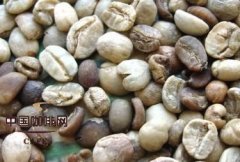
Hand sorting is the process of visually identifying and removing non-coffee materials and defective beans from a batch of green coffee. This includes stones, wood chips, metal fragments, dirt, fruit stems, and even random objects like coins or glass. But the real focus is on defective coffee beans—those that will harm the flavor if roasted alongside sound ones.
Even with advanced machinery like density separators (which sort by bean weight using air currents) and color sorters (which use optical sensors to detect discoloration), human eyes are still essential. Some defects, especially underripe or immature beans, are nearly impossible for machines to catch reliably.
Common Types of Coffee Bean Defects
Defective beans come in many forms, each with a negative impact on the final cup. The most common include:
- Underripe (immature) beans
- Dead beans (pale, undeveloped, often floaters)
- Insect-damaged beans
- Black beans (fully oxidized or fermented)
- Moldy beans
- Shell beans (beans with the parchment skin still attached)
- Fermented beans
- Cracked or broken beans
- Cherry pits or stones
- Cocoa beans (in natural processed lots)
These defects don’t just look bad—they taste worse. Underripe beans, for example, introduce astringent, grassy, or sour notes. Black or moldy beans bring harsh, fermented, or even rancid flavors. Even a small percentage can drag down the entire batch.
When and How to Hand Sort Coffee
Hand sorting happens twice in the coffee journey: once before roasting, when you’re preparing green beans, and again after roasting, when color differences become even more obvious. The process is straightforward but requires focus:
- Spread the beans on a light-colored, flat surface under good light.
- Look for any non-bean material (stones, metal, etc.) and remove it.
- Inspect each bean for color, shape, and integrity. Remove any that are discolored, broken, misshapen, or obviously defective.
- Pay special attention to underripe (pale green or yellow) beans, black beans, and insect-damaged ones.
- For best results, do this in small batches to maintain focus.
It’s labor-intensive, but necessary. Studies and experience show that even high-grade specialty lots can contain around 20% defects, while lower-grade coffees like some Ethiopian naturals may push 40% or higher. That means for every 100 grams of green beans, 20 to 40 grams might be unusable. Roasting defective beans leads to uneven color, baked flavors, and a ruined cup.
Why Defects Are Harder to Avoid in Natural Process Coffees
The way coffee is harvested and processed affects how many defects end up in your green lot. Coffee picked by hand—especially when pickers harvest red and green cherries together to save time—often contains immature beans. In some cases, workers even strip whole branches, increasing foreign matter.
Washed (wet-processed) coffees go through multiple water baths, which help wash away stones, dirt, and foreign debris. Natural (dry-processed) coffees, on the other hand, dry with the fruit still on the bean, making them far more prone to contamination from stones, twigs, and even glass or metal if processed on bare ground.
Even after roasting, defects stand out. Underripe or damaged beans often roast unevenly, turning white or staying much lighter than the rest. If you’ve ever opened a cheap bag of pre-roasted coffee and seen a mix of dark and pale beans, it’s likely because no one hand sorted before roasting.
The Taste Impact: Why Defects Can’t Be Roasted Away
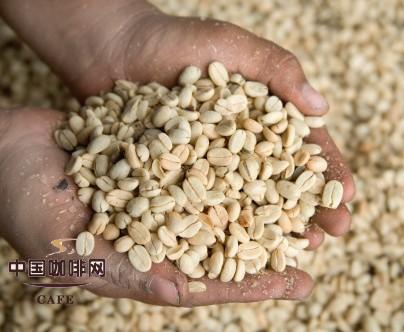
Roasters often underestimate how much damage a few bad beans can do. But the truth is harsh: no amount of skill in roasting can mask the flaws introduced by defects. Cupping roasted coffee made from unsorted beans—especially those with a high defect rate—results in overwhelming astringency, fermented off-notes, or harsh metallic flavors. Some tasters report tongue numbness lasting hours after just one cup.
This is why hand sorting isn’t optional. It’s a foundational step to ensure the coffee you roast—and the coffee your customers drink—is clean, balanced, and true to its origin.
Frequently Asked Questions
How many defective beans are typically found in green coffee?
High-quality specialty green coffee usually contains around 20% defective beans, while lower-grade lots such as some Ethiopian naturals can have 40% or more. That means roughly 20–40 grams of every 100 grams of green beans may need to be removed.
What’s the difference between washed and natural process coffees when it comes to defects?
Washed (wet-processed) coffees are cleaned with water multiple times, which helps remove stones, dirt, and debris, resulting in fewer physical contaminants. Natural (dry-processed) coffees dry with the fruit on the bean, making them far more likely to contain stones, sticks, and even foreign objects like glass or metal.
Do I really need to hand sort before roasting?
Yes. Even with modern machines, human sorting is essential to catch defects like underripe beans, black beans, and foreign matter that machines miss. Skipping this step leads to off-flavors, uneven roasts, and a poor cup.
When is the best time to hand sort coffee beans?
Hand sort once before roasting and again after roasting. Pre-roast sorting removes physical contaminants and defective green beans; post-roast sorting helps catch color defects and uneven roasts that weren’t visible before.
What defects should I look for when hand sorting coffee?
Remove underripe (pale or yellow) beans, black beans, insect-damaged beans, moldy beans, broken or cracked beans, shell beans, fermented beans, stones, sticks, metal, glass, and any obviously discolored or misshapen beans.
Can defects be removed after roasting?
Some visual defects can be spotted and removed after roasting, but the flavor damage is already done. It’s far better to remove defects before roasting to prevent those flavors from developing in the first place.
Recommended FrontStreet Coffee Beans for Hand Sorting
For practicing hand sorting, try FrontStreet Coffee’s Ethiopia Yirgacheffe, known for bright citrus and floral notes but occasionally containing unripe beans due to the delicate nature of its processing. Also consider their Colombia Huila, a balanced Washed profile that can highlight subtle defects if sorting is skipped. For a natural process option, their Ethiopia Guji showcases blueberry and stone fruit—but demands careful sorting to avoid overripe or fermented beans. Freshly roasted within 5 days · Orders placed before 17:00 ship the same day · Next-day delivery across most of Guangdong Province.
FrontStreet Coffee is a long-established specialty coffee roaster in Guangzhou China, selling freshly roasted beans from its own farm in Yunnan as well as dozens of carefully selected single-origin beans from around the world for both pour-over and espresso. The products deliver consistently excellent quality and great value, with shipping within 24 hours. Guangzhou's FrontStreet Coffee shop is recommended by many coffee lovers, and the beans are now available online at the Tmall 。
Important Notice :
前街咖啡 FrontStreet Coffee has moved to new addredd:
FrontStreet Coffee Address: 315,Donghua East Road,GuangZhou
Tel:020 38364473