Monday, September 7, 2026 · Leading English Source for Global Coffee Industry

Coffee Knowledge

Latest articles, industry insights and brewing guides
Boutique Coffee basic knowledge Coffee Tree Discovery Legend

Boutique Coffee basic knowledge Coffee Tree Discovery Legend

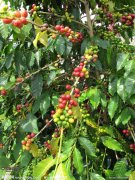
For the discovery of coffee trees, the industry does not have a unified view, there are generally the following legends. 1. Legends of Shepherds in the 5th and 6th centuries, a young shepherd in Ethiopia, Kaldi, was herding his sheep when the sheep ate a kind of red berry and looked very excited. Cody was curious and ate some of these red berries, feeling refreshed.

Basic knowledge of boutique coffee the origin of coffee trees

Basic knowledge of boutique coffee the origin of coffee trees

The earliest origin of coffee trees is recognized by botanists and the industry as Kaffa province in Ethiopia. Ethiopia is located in the landlocked country of northeast Africa, with many lakes, rivers and rich water resources, which is called the East African Water Tower. The name of the country comes from the Greek word for tanned faces and land inhabited by suntanned people.

Basic knowledge of boutique coffee general situation of coffee industry

Basic knowledge of boutique coffee general situation of coffee industry

Coffee, as a traditional western drink, has a long history and cultural heritage. The world consumes at least 400 billion cups of coffee every year, and the current annual global coffee consumption is about 10 million tons. Coffee is the first of the two largest drinks in the world, and it is also the second largest trading commodity in the world after oil. China's coffee industry has been introduced and developed with the development of reform and opening up.

Boutique Coffee learn the basics of coffee what is coffee

Boutique Coffee learn the basics of coffee what is coffee

Coffee is a drink, a commodity, a plant. Different people have different understanding of coffee. Some people think that coffee is a way of life, coffee is a culture, coffee is a social tool, it is the embodiment of romance, fashion and nobility. Some people even think that the per capita consumption of coffee can be used as the embodiment of a country's overall national strength and national quality.

Fine Coffee learn about Coffee what is a barista?

Fine Coffee learn about Coffee what is a barista?

According to the industry's understanding of baristas (Barista), baristas are people who love coffee extremely and have in-depth research on coffee from planting, mixing, roasting, tasting, making, etc., and have an in-depth understanding of the coffee industry. Baristas are noble, sincere and highly educated. According to the requirements of domestic coffee shops for baristas: strong hands-on, mental ability and organized work.

Jan 29, 2015 137 views
Coffee tasting knowledge eight principles for judging coffee by cup timing

Coffee tasting knowledge eight principles for judging coffee by cup timing

The first principle: [clean], clean when light, and clean when strong. It's like a room, it's easy to be clean when it's empty, but it has to be clean when it's full. The second principle: [spindle flavor], that is, it represents the characteristics of this region. Cleanliness is the foundation, and an unclean cup of coffee represents a flaw, but clean coffee can easily become tasteless.

Coffee tasting knowledge about the acidity of coffee (acidity)

Coffee tasting knowledge about the acidity of coffee (acidity)

1. Arabica has high acidity, while Robusta has low acidity. The acidity of washed beans is high while that of sun-dried beans is low. The acidity of light baking is high and that of deep baking is low. High acidity does not mean bright and low does not mean dull; 5. The acidity of fast baking is relatively bright, but improper grasp will lead to acidity; slow baking acidity is relatively soft, but improper grasp will lead to dull; 6. Made with high water temperature and relatively bright acidity

Professional terms for coffee-tasting cup testing vocabulary

Professional terms for coffee-tasting cup testing vocabulary

Flavor [flavor] is the overall impression of aroma, acidity, and mellowness, which can be used to describe the overall feeling of contrast coffee. Acidity [acidity] is the acidity and strong quality of all coffee grown on the plateau. The sour and sour mentioned here is different from bitterness or sour (sour), and it has nothing to do with pH, but promotes coffee to perform functions such as refreshing the mind and clearing the taste.

Basic knowledge of boutique coffee four common mistakes in drinking coffee

Basic knowledge of boutique coffee four common mistakes in drinking coffee

Error 1: drink a cup of coffee for a few hours, drink hot coffee until cold, iced coffee until cold; mistake 2, scoop cappuccino foam with a small spoon; after mixing, put the spoon in the cup; error 4 drink individual coffee without trying, just add sugar and milk. Suggestion 1. Coffee worth tasting can experience different flavor performance of coffee at different temperatures; other coffees, especially with milk

How to appreciate Coffee quality Coffee Evaluation of individual Coffee

How to appreciate Coffee quality Coffee Evaluation of individual Coffee

Coffee taste analysis, mainly can be divided into four kinds, namely: bitter caffeine, protein, sugar sour tannic acid, acid fat sweet sugar, high quality tannic acid astringent mineral taste coffee should be like tasting wine (Wine), fine taste can understand its essence. No matter how you brew the coffee, you don't have to drink it in a hurry. Smell the coffee first.

Basic knowledge of sensory training of coffee tasting map of tongue taste area

Basic knowledge of sensory training of coffee tasting map of tongue taste area

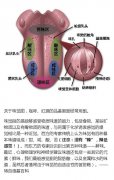
With regard to taste maps, coffee and red wine are often used in tasting. Taste refers to the ability to sense the taste of substances, including the taste of food, certain minerals and toxic substances, which is close to the sense of smell, which is also chemically induced. Western experts have traditionally believed that taste consists of four basic flavors: sweet, salty, sour and bitter.

Boutique Coffee knowledge Base Coe Cup Meter Osher Chinese version description

Boutique Coffee knowledge Base Coe Cup Meter Osher Chinese version description

The cup testing system introduced by BGT and Osher Coffee Alumni Association in the past two years all use the CoE competition mode. At present, the fine bean competition in various countries uses either CoE or SCAA mode, up to 9 major coffee producing countries all use the Coe cup as the national competition mode, so we decided to promote the CoE cup testing system in Taiwan. The purpose of BGT is to let barista [know boutique coffee] and use his essence.

Taste test of coffee beans what is a coffee cup test?

Taste test of coffee beans what is a coffee cup test?

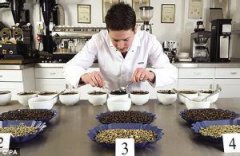
Just like tasting wine, we judge the sweetness and acidity, bitterness, aftertaste and aroma of coffee, as well as the quality of coffee. "Cup coffee" is practically popular in coffee producing and producing countries, and it is the most direct way to deliver the unique flavor of coffee. A cup test should be carried out to determine whether or not to buy coffee and raw beans in the production area. The cup method is here.

How do you brew Italian coffee beans? What kind of equipment should I use?

How do you brew Italian coffee beans? What kind of equipment should I use?

What are Italian coffee beans? In a nutshell, it's Italian coffee beans. Use two or more kinds of individual coffee beans to form a kind of coffee beans, also known as Italian coffee beans. Second, the reasons for the blending of Italian coffee beans? Although some fixed varieties of coffee can be drunk directly as individual coffee, most of the coffee exists or more in flavor.

Common sense of coffee making the difference between American hand brewing and Japanese hand brewing

Common sense of coffee making the difference between American hand brewing and Japanese hand brewing

There is a difference between American style and Japanese style. Although both American and Japanese styles may make the same filter cup, there are some differences in roasting, grinding, filter paper, water temperature and manipulation of coffee beans. The biggest difference is that American hand brewing requires stirring coffee powder with a stirring stick at the same time, which is similar to the way we do siphon pots, while Japanese, Korean, Taiwan and domestic hand coffee only draws circles with water and never uses it.

How to make coffee cookies

How to make coffee cookies

Have you ever tried making cookies with coffee? This can be a very special Christmas gift.(40-45) Beat 100 grams of butter, add 100 grams of brown sugar, 2 tablespoons of vanilla sugar, a little salt, 1 tablespoon of instant coffee powder, 2 tablespoons of cocoa powder, 1 egg, and stir until the color is even.