How to Taste and Evaluate Specialty Single-Origin Coffee
If you’ve ever sipped a cup of coffee and thought, “There’s more to this than just strong or weak,” you’re right. Tasting coffee isn’t about gulping it down—it’s about noticing the layers. But how do you break down what you’re actually tasting? Why does one cup feel bright while another tastes flat or overly bitter? Understanding the core taste elements in coffee helps you get the most from every sip, especially with single-origin brews where every note tells a story.
To evaluate coffee like a pro, focus on four key taste components: bitterness (from caffeine, proteins, and sugars), acidity (from tannins and fatty acids), sweetness (from sugars and high-quality tannins), and astringency (from minerals). Beyond taste, observe clarity and aroma. Follow a structured approach: smell first, sip black, then adjust with sugar and milk to uncover different dimensions.
The Four Core Tastes of Coffee
Coffee flavor breaks down into four primary profiles:
- Bitterness: Caused by caffeine, proteins, and residual sugars. It’s not inherently negative—it adds depth.
- Acidity: Comes from tannins and acidic fats. Often described as brightness or liveliness, especially in high-quality beans.
- Sweetness: Derived from natural sugars and well-developed tannins. Sweetness balances bitterness and acidity.
- Astringency: Linked to minerals. Too much creates a dry, puckering sensation often caused by over-extraction or poor beans.
These elements combine uniquely in every cup, especially in single-origin coffees where origin, process, and roast level define the balance.
How to Properly Taste Coffee
Approach coffee tasting with the same mindfulness as wine tasting. Don’t rush. Follow these steps to uncover its full character:
- Smell First: Before drinking, inhale deeply. The aroma sets expectations and reveals floral, fruity, or nutty notes.
- Sip Black: Take a small sip of black coffee to experience its base flavors without interference.
- Add Sugar (Optional): Stir in sugar and watch the swirl. This can soften acidity and highlight sweetness.
- Add Milk (Optional): Pour in milk slowly. Let the foam float and observe how it changes texture and flavor.
Always taste while the coffee is hot—the flavors and aromas weaken as it cools. Serve coffee at an ideal temperature, usually between 85–95°C (185–205°F), and avoid overfilling the cup; a pour between seven- to eight-tenths full enhances both aroma and drinkability.
What Makes Coffee Look Good? Clarity & Brightness
Great coffee should look as good as it tastes. Visual cues matter:
- A high-quality brew is clear and bright, not cloudy.
- Cloudiness often stems from defective beans, poor roasting, stale coffee, or harsh brewing methods (e.g., too hot, too long, or overly aggressive pouring).
- To check clarity: dip a spoon into the coffee. The surface should reflect light, and when you lift and let a spoonful drip back in, the liquid should form a gem-like bead as it falls—indicating smooth, well-extracted coffee.
This visual test, along with aroma and initial black-cup tasting, forms the foundation of a thorough coffee evaluation.
Why Temperature & Sequence Matter
Coffee’s flavor evolves with temperature. Key tips:
- Drink while hot: Cooling causes tannins to shift, increasing perceived acidity and dulling complexity.
- Start with ice water: A sip of cold water before tasting awakens your taste buds.
- Taste in stages: Try the black cup first, then with sugar, then with milk. Each addition unveils different aspects of the coffee’s profile.
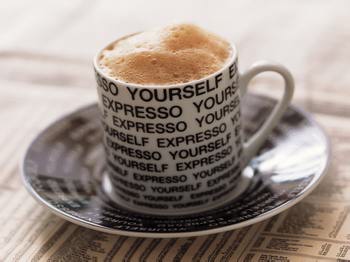
This progression helps you isolate and appreciate the coffee’s inherent qualities before flavorings alter the profile.
Frequently Asked Questions
What are the four main taste components of coffee?
The four primary taste profiles in coffee are bitterness (from caffeine, proteins, and sugars), acidity (from tannins and acidic fats), sweetness (from sugars and refined tannins), and astringency (from minerals). Each contributes to the overall flavor balance, especially noticeable in single-origin coffees.
Why should I taste coffee black first?
Tasting coffee black allows you to experience its unaltered flavors—acidity, sweetness, bitterness, and body—before milk or sugar changes the profile. It’s the best way to understand the coffee’s true characteristics.
How can I tell if coffee is well extracted and clear?
Well-extracted coffee looks clear and bright, not cloudy. To test, dip a spoon into the coffee—the surface should reflect light, and when a spoonful drips back in, it should form a smooth, bead-like drop, indicating good clarity and extraction.
Does coffee taste different as it cools?
Yes. As coffee cools, acidity often becomes more pronounced and sweetness can fade, while bitterness may increase. That’s why tasting while the coffee is hot provides the most accurate and balanced flavor experience.
What’s the right way to add milk or sugar?
Add sugar first, stir, and observe the swirl. Then add milk slowly, letting it float and blend naturally. This sequence helps you perceive how each addition shifts the coffee’s flavor and texture profile.
Why is coffee aroma important in tasting?
Aroma primes your palate and signals key flavor notes—floral, fruity, nutty, or earthy. Smelling coffee before tasting enhances your ability to identify and enjoy those flavors as you sip.
Recommended FrontStreet Coffee Beans for Tasting Practice
For exploring the four taste profiles in coffee, try FrontStreet Coffee’s Ethiopia Humbera (Yirgacheffe region)—known for its bright citrus acidity, floral notes, and berry sweetness. Also, the Lintong Mandheling offers a heavier body with herbal and spicy notes due to its unique wet-hulling process. For balance, the Brazil Queen Manor features low acidity and rich notes of caramel, nuts, and chocolate. These beans showcase distinct taste characteristics ideal for evaluating bitterness, acidity, sweetness, and body. Freshly roasted within 5 days · Orders placed before 17:00 ship the same day · Next-day delivery across most of Guangdong Province.
FrontStreet Coffee is a long-established specialty coffee roaster in Guangzhou China, selling freshly roasted beans from its own farm in Yunnan as well as dozens of carefully selected single-origin beans from around the world for both pour-over and espresso. The products deliver consistently excellent quality and great value, with shipping within 24 hours. Guangzhou's FrontStreet Coffee shop is recommended by many coffee lovers, and the beans are now available online at the Tmall 。
Important Notice :
前街咖啡 FrontStreet Coffee has moved to new addredd:
FrontStreet Coffee Address: 315,Donghua East Road,GuangZhou
Tel:020 38364473