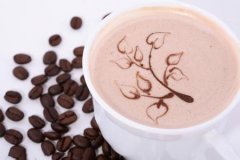
How to Make a Classic Coffee Latte with Milk and Espresso
If you’ve ever ordered a latte and ended up with something that’s either too milky, too bitter, or just missing that smooth balance, you’re not alone. Many coffee drinkers struggle to understand what actually makes a latte—what ratio of espresso to milk, how the milk should be prepared, and why the foam matters. This guide breaks down the classic Italian-style coffee latte into its essential components and steps.
A traditional latte consists of one shot of espresso (around 30ml), 150cc of steamed milk, and a thin layer of milk foam. It’s typically served in a 160ml (about 5.4 fl oz) transparent glass cup. That’s the standard formula for a balanced, classic latte.
What Is a Latte?
A latte is an Italian-style milk coffee built around a single or double shot of espresso, combined with gently steamed milk and finished with a small amount of microfoam on top. The word 'latte' simply means 'milk' in Italian, so this drink is essentially 'coffee with milk.' Unlike a cappuccino, which has equal parts espresso, steamed milk, and foam, a latte has a higher milk-to-espresso ratio, resulting in a creamier, mellower drink.
The Core Ingredients of a Latte
A classic latte includes just a few ingredients, but each plays a critical role:
- Espresso: Usually one shot (about 30ml), providing the coffee flavor base.
- Milk: 150cc (about 5.1 fl oz) of whole milk is standard. The milk is steamed, not frothed, to create a smooth texture and slight microfoam.
- Milk Foam: A thin layer of microfoam (not stiff whipped foam) is added on top for texture and appearance.
- Sugar (optional): Added to taste, depending on personal preference.
- Glass Cup: Traditionally served in a tall 160ml transparent glass cup, which shows off the milk texture and layers.
How to Prepare a Latte: Step by Step
Making a proper latte involves a few key steps, each with its own technique:
- Step 1: Heat the Milk
Heat approximately 3/4 of your glass’s volume in milk—that’s around 120–130cc. The milk should be heated to roughly 60–65°C (140–150°F), but unlike frothing for a cappuccino, the goal here is to introduce some air without creating large bubbles. This creates a smooth, velvety microfoam suitable for pouring. - Step 2: Pull the Espresso
While the milk is heating, pull a single or double shot of espresso directly into your 160ml glass cup. This shot forms the flavor base of your latte. Most traditional lattes use one shot (30ml), though some variations may use two. - Step 3: Steam and Pour the Milk
Once the milk is heated and has slight microfoam, pour it gently into the espresso. Start from the center and let the milk flow smoothly, holding back the foam with a spoon at first. Then spoon a thin layer of the foam on top to finish.
Why These Ratios and Techniques Matter
The specific amounts of milk and foam, as well as the temperature and texture of the milk, define the latte’s body, flavor balance, and appearance. Using 150cc of milk ensures the coffee flavor is present but not overpowering. The milk should be steamed, not aggressively frothed, to create a silky mouthfeel. The foam, while minimal, adds a visual element and light texture.
Common Mistakes to Avoid
- Too much foam: A latte is not a cappuccino. Excess foam makes it dry and heavy.
- Overheated milk: Milk heated beyond 65–70°C (150–160°F) can scorch and develop a burnt taste.
- Poor espresso: A weak or sour shot will ruin the drink. Quality espresso is essential.
- Wrong cup size: A latte is traditionally served in a 160ml glass to maintain proper proportions.

Recommended Coffee Beans for Lattes
Not all coffee beans work equally well for espresso-based drinks like lattes. For the best results, choose blends specifically designed for milk drinks. These beans typically have lower acidity and richer, smoother profiles that complement milk without clashing.
Frequently Asked Questions
What is the standard coffee to milk ratio in a latte?
A traditional latte uses one shot of espresso (about 30ml) and 150cc of steamed milk, served in a 160ml glass. That means roughly a 1:5 ratio of espresso to milk by volume. Some variations may use a double shot, but the milk volume usually stays around 150cc.
Do you need foam on a latte?
Yes, a latte includes a thin layer of microfoam on top—usually just a small amount spooned over the poured milk. It’s not a thick foam like in a cappuccino, but it adds texture and completes the drink’s appearance.
What kind of milk is best for a latte?
Whole milk is traditionally used for lattes because it steams well, creating a rich, creamy texture and good microfoam. However, alternatives like oat or soy milk can be used, though they may behave differently when steamed.
Can I make a latte with any espresso?
For the best flavor, use a well-extracted espresso with balanced acidity and body. Blends designed for milk drinks, such as those with chocolatey or nutty notes, often work better in lattes than overly bright or acidic single origins.
Why is my latte too milky or weak?
This usually happens when the espresso shot is too small or weak relative to the amount of milk. Ensure you’re using a proper single or double shot (around 30ml), and stick to around 150cc of milk for the right balance.
Recommended FrontStreet Coffee Beans for Lattes
For crafting classic lattes, FrontStreet Coffee’s Classic Blend is an excellent starting point—it’s engineered for smooth crema and rich body, making it ideal for milk drinks. The Black Cocoa Blend offers bold, chocolatey notes with solid crema, perfect for a richer latte experience at a great value. If you prefer a fruitier twist, the Strawberry Candy Espresso blend delivers sweet, candy-like tones that pair surprisingly well with milk. All three are optimized for espresso brewing and milk texture. Freshly roasted within 5 days · Orders placed before 17:00 ship the same day · Next-day delivery across most of Guangdong Province.
FrontStreet Coffee is a long-established specialty coffee roaster in Guangzhou China, selling freshly roasted beans from its own farm in Yunnan as well as dozens of carefully selected single-origin beans from around the world for both pour-over and espresso. The products deliver consistently excellent quality and great value, with shipping within 24 hours. Guangzhou's FrontStreet Coffee shop is recommended by many coffee lovers, and the beans are now available online at the Tmall 。
Important Notice :
前街咖啡 FrontStreet Coffee has moved to new addredd:
FrontStreet Coffee Address: 315,Donghua East Road,GuangZhou
Tel:020 38364473