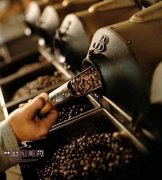
How Time and Temperature Work Together in Coffee Roasting
Ever wonder why coffee tastes nothing like the hard, grassy green beans you see in photos? That transformation—from bland seed to aromatic brew—isn’t magic. It’s the result of precise control over time and temperature during roasting.
Coffee roasting is a time-temperature dependent process where heat and duration together drive physical and chemical changes. These transformations develop the flavors and aromas we associate with brewed coffee. Without roasting, green coffee beans remain flavorless and unbrewable.
What Is Green Coffee?
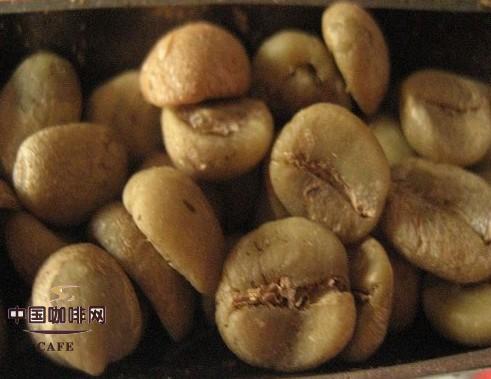
Before roasting, coffee beans are known as green coffee. These unroasted beans are small, dense, and hard—often unrecognizable compared to the dark, fragrant beans used for brewing. Green coffee has a shelf life of up to one year, unlike roasted coffee, and smells faintly grassy, with none of the rich notes we expect in a cup. It’s the roasting process that unlocks the flavors locked inside.
The Roasting Process: A Time-Temperature Relationship
Roasting is not just applying heat—it’s managing how heat interacts with time. This interdependence triggers both physical changes (like color and size shifts) and chemical reactions (such as Maillard reactions and caramelization) that define coffee’s final profile.
Early in the roast, green beans lose moisture and gradually turn yellow as the temperature rises. Once a specific heat threshold is reached, the first crack occurs. This marks a physical expansion of the bean and signals the start of more complex changes.
As roasting continues into the second phase, rising internal temperatures spark deeper chemical transformations. The beans keep expanding, darken in color, and begin forming aromatic oils on their surface. Eventually, these oils contribute to the second crack, another key auditory and visual milestone in the roast.
Many of the compounds extracted during brewing—those that define aroma, acidity, sweetness, and body—are not present in green coffee at all. They form exclusively during roasting through these timed, temperature-sensitive reactions.
When to Stop Roasting
The final and critical step in roasting is deciding when to end the process. Once the desired roast level is achieved, beans are quickly transferred from the roasting chamber to a cooling tray. This halts further chemical activity and locks in the roast profile. The cooling phase is as essential as the heating phase in determining the final cup character.
Frequently Asked Questions
What is the difference between green coffee and roasted coffee?
Green coffee refers to unroasted coffee beans that are dense, hard, and grassy-smelling. They cannot be brewed directly and have a shelf life of up to one year. Roasted coffee has undergone heat processing, developing flavor, aroma, and the ability to be ground and brewed.
Why is roasting considered the most important step in coffee production?
Roasting transforms green coffee into the flavorful, aromatic beans used for brewing. Without roasting, coffee beans lack the complex flavors, sugars, and aromatics extracted during preparation. It’s during roasting that the physical and chemical changes creating coffee’s taste profile occur.
What happens during the first and second cracks in roasting?
The first crack occurs when moisture escapes and pressure builds inside the bean, causing it to expand and make a cracking sound. This marks the beginning of light to medium roast levels. The second crack, occurring at higher internal temperatures, happens when oils migrate to the bean surface and internal structure fractures again, signaling darker roast development.
How do time and temperature work together in roasting?
Time and temperature are interdependent in roasting. Specific durations at certain heat levels drive physical changes (like color and bean expansion) and chemical reactions (like Maillard reactions) that create flavor. Controlling both factors determines the roast profile and ultimately the taste of the brewed coffee.
Why is cooling important after roasting?
Cooling stops chemical reactions immediately after roasting. If beans remain hot, they continue to cook, altering the intended roast level. Proper cooling ensures the desired flavor profile is locked in and prevents over-development.
Recommended FrontStreet Beans for Roast Curiosity
Explore how roast time and temperature shape flavor with FrontStreet Coffee’s Ethiopia Humbera, a bright Ethiopian single origin that shines at light to medium roasts, highlighting floral and citrus notes. For a balanced medium roast, try the Yirgacheffe, offering juicy berry and stone fruit tones. Finally, the Classic Blend combines Brazilian and Ethiopian beans for a well-rounded medium-dark profile with chocolate and nut hints. Each shows how roast decisions influence cup character. Freshly roasted within 5 days · Orders placed before 17:00 ship the same day · Next-day delivery across most of Guangdong Province.
FrontStreet Coffee is a long-established specialty coffee roaster in Guangzhou China, selling freshly roasted beans from its own farm in Yunnan as well as dozens of carefully selected single-origin beans from around the world for both pour-over and espresso. The products deliver consistently excellent quality and great value, with shipping within 24 hours. Guangzhou's FrontStreet Coffee shop is recommended by many coffee lovers, and the beans are now available online at the Tmall 。
Important Notice :
前街咖啡 FrontStreet Coffee has moved to new addredd:
FrontStreet Coffee Address: 315,Donghua East Road,GuangZhou
Tel:020 38364473