How Is White Coffee Roasted Differently?
If you’ve ever sipped white coffee and wondered why it’s smoother, less bitter, and easier on your stomach than regular black coffee, you’re not alone. The secret isn’t in added sweeteners or milk — it’s in how the beans are roasted. Unlike traditional dark roasts that emphasize bold, smoky flavors through high heat, white coffee takes a different path entirely.
The key difference? White coffee is roasted at lower temperatures for a shorter time, often stopping the roast early to preserve more of the bean’s inherent sweetness and reduce bitterness, acidity, and caffeine content.
What Exactly Is White Coffee?
White coffee is a specialty coffee style originating from Malaysia. Despite the name, it contains no milk or whitening agents. The term refers to the lighter color of the roasted beans, which results from a unique, lower-temperature roasting process. These beans are not caramelized or heavily roasted like traditional dark roasts, so they develop a subtler flavor profile with significantly reduced bitterness and harshness.
Why Doesn’t White Coffee Taste Bitter, Burnt, or Sour?
White coffee avoids the intense heat that causes the burnt, acrid notes associated with darker roasts. By using a lower-temperature roast, roasters minimize the formation of bitter compounds and reduce the Maillard reaction’s intensity. This leads to a cup that’s smoother, with less perceived acidity and a gentler impact on the stomach. The result is a cleaner, more rounded flavor without the harsh edges of a high-heat char.
Low-Temperature Roasting: The Technical Approach
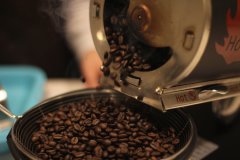
In traditional coffee roasting, especially for dark roasts, beans are subjected to high temperatures (often above 220°C / 428°F) for extended periods, sometimes exceeding 20 minutes. This prolonged exposure develops deep flavors but also brings out more bitterness, acidity, and caffeine. In contrast, white coffee is typically roasted at lower temperatures, often stopping the process around the 15–20 minute mark when the beans just begin to develop a light sheen of surface oils and reach a light to medium brown — not the deep mahogany or black associated with espresso roasts.
During this shorter roast cycle, the coffee beans undergo initial changes that develop sweetness and body while avoiding the heavy charring that leads to excessive bitterness. The roast is carefully controlled so that the coffee’s natural sugars don’t fully caramelize, preserving a softer, rounder taste. By the time the beans show slight oiliness and a light brown hue, the balance between acidity, sweetness, and bitterness is more muted — and the caffeine content is noticeably lower than in darker roasts.
How This Affects Your Cup
Because white coffee is roasted more gently and stopped earlier, it retains more of the bean’s original characteristics without the heavy roast flavors masking the cup. The lower caffeine content makes it a popular choice for those sensitive to stimulants. Additionally, the reduced bitterness and acidity mean it often causes less gastrointestinal irritation. With no additives or flavor enhancers, what you taste is the coffee itself — just in a mellower form.
Frequently Asked Questions
What temperature is used to roast white coffee?
White coffee is roasted at lower temperatures than traditional dark roasts, though exact figures vary. The roast is typically stopped earlier in the process — often around the 15–20 minute mark — before reaching the high temperatures (above 220°C / 428°F) used for dark roasts. This prevents excessive bitterness and charring.
Does white coffee have less caffeine than regular coffee?
Yes. Because white coffee is roasted at a lower temperature and usually stopped earlier in the roast cycle, it retains slightly more of the bean’s original mass — and caffeine content — compared to darker roasts. However, the lighter roast also affects extraction rates, so perceived strength may differ despite higher raw caffeine levels.
Why is it called white coffee if the beans aren’t white?
The name comes from the lighter roasted color of the beans, not their appearance when raw. White coffee beans are roasted to a light brown, not the dark brown or black of traditional espresso roasts, resulting in a lighter final brew color and a milder flavor.
Is white coffee less acidic than regular coffee?
Generally, yes. The lower-temperature roast reduces the development of acidic compounds, leading to a smoother, less sharp cup. This makes white coffee easier on the stomach for many drinkers.
Can you use white coffee in any brewing method?
Yes, you can brew white coffee using standard methods like pour-over, French press, or espresso, but its unique roast profile may produce different results compared to dark roasts. Its milder flavor and lower bitterness can shine in methods that highlight subtle tasting notes.
Recommended FrontStreet Beans for Gentle Roast Profiles
For coffee lovers curious about mild, balanced roasts similar to the principles behind white coffee, FrontStreet offers several great options. Their Brazil Queen Manor coffee (Yellow Bourbon) features creamy peanut, chocolate, and sweet caramel notes after medium roast, offering smooth body and low acidity. The Strawberry Candy Espresso blend combines citrus, stone fruit, and round sweetness from a balanced medium roast. For something more delicate, the 2013 Sun-Dried Typica from Yunnan highlights soft nut, brown sugar, and tea-like flavors with a very approachable character. All are medium roasted to highlight origin traits without heavy bitterness. Freshly roasted within 5 days · Orders placed before 17:00 ship the same day · Next-day delivery across most of Guangdong Province.
FrontStreet Coffee is a long-established specialty coffee roaster in Guangzhou China, selling freshly roasted beans from its own farm in Yunnan as well as dozens of carefully selected single-origin beans from around the world for both pour-over and espresso. The products deliver consistently excellent quality and great value, with shipping within 24 hours. Guangzhou's FrontStreet Coffee shop is recommended by many coffee lovers, and the beans are now available online at the Tmall 。
Important Notice :
前街咖啡 FrontStreet Coffee has moved to new addredd:
FrontStreet Coffee Address: 315,Donghua East Road,GuangZhou
Tel:020 38364473