
Coffee Knowledge
Latest articles, industry insights and brewing guides

How Grind Size and Brewing Method Affect Coffee Flavor
Learn how grind size matches brewing methods and why water temperature, brew time, and coffee-to-water ratio matter for great flavor.
Where Do Coffee Flavors Actually Come From?
Learn which chemical compounds create coffee’s signature flavors—from earthy and smoky to sweet and spicy—and at what temperatures they develop.
How to Pull a Great Shot of Espresso
Learn the 7 key factors for consistent espresso: grind, dose, pressure, temperature, yield, puck prep, and equipment quality.
The History of Italian Espresso Machines
From steam pressure to 9-bar pumps, discover how Italian engineers shaped modern espresso machines over a century.
Uganda Coffee: A Rising Specialty Origin
Uganda produces just 10% Arabica coffee, mostly from Mount Elgon, Bugisu, and Rwenzori regions, with harvests ready by January or February.

How Ethiopia Won Its Coffee Brand Battle
In 2007, Ethiopia secured global trademark rights for Yirgacheffe, Sidamo, and Harar, shifting power to farmers and raising coffee prices worldwide.
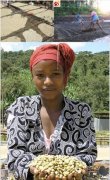
Ethiopia’s Battle with Starbucks Over Coffee Origins
Why did Ethiopia sue Starbucks? Discover how a $1.45/lb coffee price and $26 retail gap sparked a global IP fight over Sidamo and Yirgacheffe.

How Ethiopia Fought Starbucks Over Coffee Names
In 2005–2007, Ethiopia battled Starbucks to trademark its coffee regions—Yirgacheffe, Sidamo, and Harar—and won key rights for farmers.
Guadeloupe Coffee: Once Thriving, Now Rare
Guadeloupe once produced 4,000 tons of coffee yearly. Today, only 150 hectares remain due to hurricanes, land reforms, and shifting crops.
What Makes Panamanian Coffee So Special?
Discover why high-altitude Panamanian coffee is prized for its smooth body, balanced acidity, and unique flavor profiles — and where the best beans come from.
Sudan Coffee: A Forgotten Origin on the Brink
Sudan’s coffee industry has nearly vanished due to decades of war. Learn why this once-crucial origin now produces almost no exports.
Zambia Coffee: Lighter Than Kenya, Great for Afternoon Cups
Zambia coffee offers a lighter, smoother profile than Kenyan beans, with similar fruitiness and often better pricing. Learn where it’s grown and why it's trending.
The Rise of Bolivian Coffee: From Hedges to Specialty
Learn how Bolivia went from decorative garden coffee to producing exported washed Arabica, and why its high-altitude farms matter today.
Zaire Coffee: Where It’s Grown and Why It’s Fading
Zaire (now DR Congo) once produced high-quality Arabic coffee in its northeast, especially in Oriental and Kivu provinces. Learn what made it special—and why it’s declining.
Zimbabwe Coffee: High-Altitude Beans from Southern Africa
Discover Zimbabwe’s high-quality coffee grown in the eastern highlands, known for smooth, fruity profiles similar to top Kenyan AA beans.
Brazil Coffee: What Makes It the World’s Largest Producer?
Brazil produces over 200,000 tonnes of coffee annually, driving global supply with its flatland-grown, high-yield arabica. Here’s how and why.
Why Indian Coffee Undergoes Monsooning Processing
Indian coffee’s unique flavor comes from monsooning—a 7-week humidity treatment that yellows beans and softens their taste. Here’s how it works.
Colombia Coffee: What Makes It So Smooth?
Colombia’s high-altitude, year-round harvest produces mild, aromatic Arabica beans with balanced flavors. Discover why it’s called 'soft coffee.'
Indonesian Coffee: What Makes It Unique?
Explore Indonesia’s key coffee regions, flavors, and production methods—from Sumatra’s Mandheling to Java’s historic plantations.
What Does a Coffee Roaster Actually Do?
A coffee roaster transforms green beans into flavorful roasted coffee through skill, science, and sensory judgment. Here’s how they do it.