How Ethiopia Fought Starbucks Over Coffee Names
In 2005, a David-versus-Goliath fight erupted over three words: Yirgacheffe, Sidamo, and Harar. These aren’t just coffee names—they’re Ethiopian regions with centuries-old growing traditions. But when Ethiopia tried to trademark them, the world’s biggest coffee chain fought back. Why? Because those names were worth millions.
The conflict lasted nearly three years (2005–2007) and ended with Ethiopia securing key rights, forcing Starbucks to back down on blocking the trademarks. The farmers stood to gain an estimated £50 million (US$94.5 million) in lost revenue without these protections.
The Battle Begins: Ethiopia’s Coffee Heritage at Stake

Coffee originated in Ethiopia’s Kafa Forest region, and its beans—especially from Yirgacheffe, Sidamo, and Harar—are famed for their wild, complex flavors. By the mid-2000s, Ethiopia’s coffee exports hit 170,000 metric tons annually, earning $431 million (35% of national exports). Yet, despite this, farmers earned as little as $0.75–$1.60 per pound, while brands like Starbucks sold the same beans for up to $26 per pound.
To protect their farmers and brand identity, Ethiopia’s Intellectual Property Office, with help from the nonprofit Light Years IP, launched a global campaign. They partnered with international law firms to register trademarks for Yirgacheffe, Sidamo, and Harar in over 30 countries. The goal: secure legal ownership of these region names, ensuring farmers got fair value.

Starbucks’ Resistance: Profits Over Farmers
Starbucks, with 12,440 stores worldwide and $7.78 billion in 2006 revenue (nearly 80% of Ethiopia’s GDP), opposed the trademarks. The company argued that registering place names as trademarks wasn’t the best way to help farmers. Instead, they advocated for a “geographical indication” system, similar to France’s wine classifications.

But critics, including Oxfam, accused Starbucks of hypocrisy. The charity claimed the coffee giant’s actions cost Ethiopian farmers $50 million annually. Oxfam also highlighted the massive profit gap: farmers received $0.75–$1.60 per pound, while Starbucks resold the same beans for $26. Even Starbucks’ own “Fair Trade” branding came under fire after a warning from Oxford University’s Saïd Business School professor John Sutton, who cautioned that the brand risked damaging its reputation if its actions didn’t align with its messaging.
The Turning Point: Media Pressure and Public Backlash
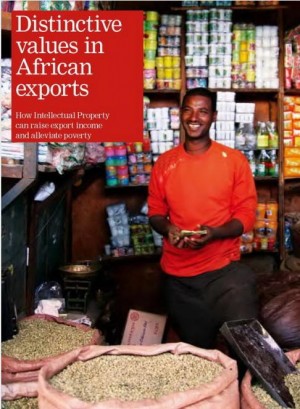
The media dubbed the conflict the “Storm in the Coffee Cup.” The Economist mocked the situation, suggesting readers celebrate the showdown with a “grande extra-wet triple-latte.” Meanwhile, Ethiopia—home to 70 million people, 15 million of whom rely on coffee for survival—faced an uphill battle against a corporate giant with vast legal resources.
Yet, Ethiopia’s strategy worked. By framing the issue as one of fairness and cultural heritage, they garnered international support. The “Shepherd Boy vs. the Hulk” narrative (with Ethiopia as the shepherd and Starbucks as the green giant) captured public imagination. Eventually, Starbucks relented, withdrawing its opposition to the trademarks and reaching an agreement that recognized Ethiopia’s rights to its regional names.

Frequently Asked Questions
What were the three coffee regions Ethiopia tried to trademark?

Ethiopia sought to trademark Yirgacheffe, Sidamo, and Harar—three of its most famous coffee-growing regions, known for distinct flavor profiles and high-quality beans.
Why did Starbucks oppose the trademarks?

Starbucks argued that registering place names as trademarks wasn’t the best way to support farmers and preferred a geographical indication system. Critics accused the company of protecting its profits, as it sold Ethiopian beans for up to $26 per pound while farmers earned just $0.75–$1.60.
How much were Ethiopian farmers losing due to the lack of trademarks?

Oxfam estimated that Ethiopian farmers lost around £50 million (US$94.5 million) annually due to the inability to control the branding and pricing of their regional coffees.
What was the outcome of the trademark battle?
After nearly three years of conflict, Starbucks withdrew its opposition. Ethiopia secured key rights to its regional names, ensuring better recognition and potential for fairer compensation for its farmers.
How did the media portray the conflict?
The media called it the “Storm in the Coffee Cup,” with outlets like The Economist using humor to highlight the disparity between Starbucks’ actions and its public image. The nickname “Shepherd Boy vs. the Hulk” also gained traction, symbolizing Ethiopia’s underdog status.
What impact did the battle have on coffee farming in Ethiopia?
The fight raised global awareness about the challenges faced by Ethiopian coffee farmers and underscored the importance of branding and intellectual property rights in ensuring fair trade and better livelihoods for producers.
Recommended FrontStreet Beans for Exploring Ethiopian Origins
Start with FrontStreet’s water-washed Yirgacheffe, known for its bright citrus, floral jasmine notes, and tea-like body—a classic introduction to Ethiopia’s signature flavors. For deeper complexity, try the Gedeb Cooperative’s washed lot, which highlights crisp lemon acidity and delicate floral tones. If you prefer fruit-forward profiles, the Red Cherry Natural process offers ripe berry, honey, and creamy textures from fully sun-dried cherries. All three beans showcase Ethiopia’s diverse terroir and processing methods. Freshly roasted within 5 days · Orders placed before 17:00 ship the same day · Next-day delivery across most of Guangdong Province.
FrontStreet Coffee is a long-established specialty coffee roaster in Guangzhou China, selling freshly roasted beans from its own farm in Yunnan as well as dozens of carefully selected single-origin beans from around the world for both pour-over and espresso. The products deliver consistently excellent quality and great value, with shipping within 24 hours. Guangzhou's FrontStreet Coffee shop is recommended by many coffee lovers, and the beans are now available online at the Tmall 。
Important Notice :
前街咖啡 FrontStreet Coffee has moved to new addredd:
FrontStreet Coffee Address: 315,Donghua East Road,GuangZhou
Tel:020 38364473