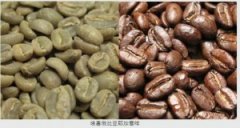
Ethiopia’s Battle with Starbucks Over Coffee Origins
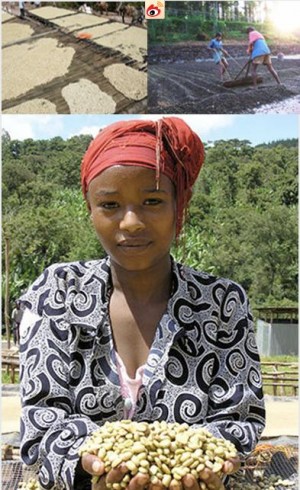
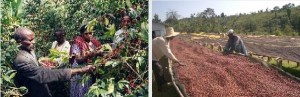
In the highlands of southern Ethiopia, farmers in the village of Fero hand-pick six pounds of coffee cherries to produce just one pound of sun-dried beans—spending hours turning each batch under the sun for 15 days. Yet they earn less than $1 per pound after costs, while Starbucks sells its 'Shirkina Sun-Dried Sidamo' for $26 per pound. This stark inequality ignited a landmark David-versus-Goliath battle over who truly owns the value of Ethiopia’s world-renowned coffee.
Ethiopia’s smallholder coffee farmers earn as little as $1 per pound of sun-dried Sidamo, despite Starbucks retailing the same beans for $26. The price gap highlights a global imbalance in coffee value distribution, with farmers receiving just 5–10% of the final retail price—far below the 45% seen in other specialty markets.
The Human Cost of Coffee in Ethiopia
Villagers in Fero, Sidamo, live in basic mud-and-thatch homes, often without shoes, relying on homegrown food. Oxfam reported in 2006 that 2,432 farmers produced 300,000 pounds of sun-dried beans, earning just $123 each before deducting $20 for cooperative fees. Even with a $15,000 quality bonus from Starbucks—$6.20 per farmer—it wasn’t enough to cover basic family needs. The region’s poverty is stark, with many surviving on subsistence farming and facing hunger.

The IP Gap: Why Farmers Earn So Little
Ethiopia’s then-Intellectual Property Office chief, Getachew Mengistie, pointed out the core issue: the $1.45 farmers earn per pound contrasts with Starbucks’ $26 retail price—an 18x difference. He argued that Ethiopia had failed to leverage its geographic names as intellectual property. Unlike downstream investments in roasting or packaging, the majority of a coffee’s value comes from its origin. Without protected names, premium prices linked to regions like Sidamo flow to brands, not farmers.
Ethiopia Fights Back: Trademarking Its Coffee Regions
In March 2005, Ethiopia applied to trademark three of its most famous coffee regions—Sidamo, Yirgacheffe, and Harar—in the U.S. The goal: force companies to get permission (and share revenue) to use these names. Analysts estimated this could generate $88 million annually for Ethiopian farmers. But Starbucks opposed the move, having already filed for 'Sidamo' in 2004. The U.S. Patent and Trademark Office eventually granted 'Yirgacheffe' in 2006, while Sidamo and Harar remained under review. Starbucks hired a large legal team to block the other two, arguing the trademark system was inappropriate.
The Starbucks PR Backlash
In November 2006, Starbucks’ new senior vice president, Dub Hay, posted a YouTube video criticizing Ethiopia’s trademark efforts as “illegal,” suggesting a certification model instead—like those for Jamaica Blue Mountain or Hawaii Kona. The video went viral but drew sharp criticism from media and humanitarian groups, who accused Starbucks of corporate greed. Ethiopian lawyer Roberta Hutton countered that Ethiopia was simply protecting its intellectual property, just as Starbucks does. After public pressure, Hay apologized for calling the trademark bid illegal.
Frequently Asked Questions
Why did Ethiopia sue Starbucks over coffee?
Ethiopia didn’t file a traditional lawsuit but fought to trademark its coffee regions—Sidamo, Yirgacheffe, and Harar—in the U.S. to gain control over who could use those names. The goal was to ensure farmers received fairer compensation, as Starbucks was selling Sidamo coffee for $26/pound while farmers earned less than $1/pound. The dispute highlighted global inequities in coffee value distribution.
How much do Ethiopian coffee farmers really earn?
Ethiopian sun-dried Sidamo farmers earn around $1 per pound after deducting costs like fuel, loans, and transport, despite producing one pound from six pounds of cherries. For 2006, 2,432 Fero farmers earned $123 each from 300,000 pounds of beans, minus $20 in fees, leaving $103 per farmer—insufficient for a family of four. A $15,000 Starbucks bonus added just $6.20 per farmer.
What did Starbucks do to fight Ethiopia’s trademark efforts?

Starbucks opposed Ethiopia’s 2005 trademark applications, having already filed for 'Sidamo' in 2004. The company hired lawyers to block Sidamo and Harar, while 'Yirgacheffe' was approved in 2006. VP Dub Hay criticized the trademark approach in a viral 2006 YouTube video, suggesting certification instead. Public backlash forced him to apologize for calling the trademark bid “illegal.”
Why are coffee origin names so valuable?
Names like Sidamo and Yirgacheffe signal specific flavors, elevations, and processing methods tied to unique terroirs. Consumers pay premiums for these origins, but without trademark protection, the value goes to brands—not farmers. Ethiopia sought to change that by securing legal rights to its regional names, ensuring farmers benefit from their reputation.
Did Ethiopia win its fight with Starbucks?
Ethiopia succeeded in securing the 'Yirgacheffe' trademark in 2006, but 'Sidamo' and 'Harar' remained under review. Starbucks actively opposed the latter two. While the full legal battle didn’t fully resolve Ethiopia’s goals, the case pushed global attention toward fairer compensation for coffee farmers and the importance of origin branding.
What’s the difference between Sidamo and Yirgacheffe coffee?
Sidamo (including the sun-dried Shirkina variety) is grown in southern Ethiopia at 1400–2200m, offering diverse fruity and winey notes due to varied microclimates. Yirgacheffe, a high-altitude region (around 2000m) formerly part of Sidamo, is renowned for bright acidity, floral aromas, and citrus notes. Both are distinct Ethiopian origins with unique flavor profiles tied to their terroir.
Top FrontStreet Ethiopian Coffees to Try
Explore Ethiopia’s signature flavors with FrontStreet’s Ethiopia Humbera, a classic natural-process coffee with blueberry, strawberry, and tropical notes, and the Gedeb (Gedeb) lot, a medium-roast natural with jasmine, lemon, and green tea brightness. For washed profiles, try FrontStreet’s Yirgacheffe offering, highlighting citrus and stone fruit. All showcase Ethiopia’s terroir-driven excellence. Freshly roasted within 5 days · Orders placed before 17:00 ship the same day · Next-day delivery across most of Guangdong Province.
FrontStreet Coffee is a long-established specialty coffee roaster in Guangzhou China, selling freshly roasted beans from its own farm in Yunnan as well as dozens of carefully selected single-origin beans from around the world for both pour-over and espresso. The products deliver consistently excellent quality and great value, with shipping within 24 hours. Guangzhou's FrontStreet Coffee shop is recommended by many coffee lovers, and the beans are now available online at the Tmall 。
Important Notice :
前街咖啡 FrontStreet Coffee has moved to new addredd:
FrontStreet Coffee Address: 315,Donghua East Road,GuangZhou
Tel:020 38364473