
Coffee Knowledge
Latest articles, industry insights and brewing guides

How Coffee Roasting Works: From Green Bean to Brew
Learn how coffee beans transform through roasting—from dehydration to first and second crack—in 12–16 minutes at up to 232°C.
The Three Stages of Coffee Bean Roasting Explained
Learn how coffee is transformed through three key roast stages—drying, first crack, and cooling—and discover six roast levels from light to very dark.
How Coffee Roasting Works: Process, Stages & Flavor Science
Learn how coffee roasting transforms green beans into flavorful cups through heat, time, and chemical reactions. Covers stages, equipment, and roast levels.
The Three Levels of Coffee Bean Roasting
Learn the three distinct skill levels in coffee roasting—from basic to artistic—and find out where your technique stands.
Coffee Roasting Methods and How Roast Levels Work
Learn the 3 main types of coffee roasters and how roast levels like City or French affect flavor. Includes heat transfer, cracking stages, and weight loss.
How Coffee Roasting Creates Bold, Complex Aroma
Coffee roasting unlocks acidity, sweetness, and bitterness over 12–16 minutes at up to 232°C, with three key crack stages and 15–25% weight loss.
How Coffee Roasting Creates Distinct Flavors and Profiles
Learn how coffee roasting transforms green beans into flavorful cups, from light to dark, and what determines crema, acidity, and body.
Coffee Roasting Basics: Dehydration, Ramp, Smoke, and Dwell Techniques
Learn essential coffee roasting steps: when to dehydrate, how fast to ramp, when smoke appears, and how to use the dwell phase. Key temps and timings inside.
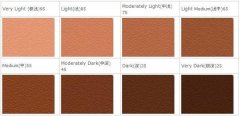
How to Identify Coffee Roast Levels Using SCAA Standards
Learn how to identify coffee roast levels from light to dark using the SCAA’s Agtron color system and common regional roast terms.

How Coffee Blending and Roasting Work in Specialty Coffee
Learn why coffee blends are crafted, how roast levels affect flavor, and the step-by-step process behind professional coffee blending and roasting.
How Roasting Determines Coffee Flavor
Roasting shapes 80% of coffee’s flavor—learn how heat unlocks acids, sugars, and aromas through light, medium, and dark roasts.
Global Coffee Roasting Preferences by Region
Explore how different regions—from Tokyo to Vienna—approach coffee roasting, and why some beans shine better at certain roast levels.
How to Tell If Your Coffee Beans Are Fresh
Check smell, sound, color, and shape to assess coffee bean freshness. Fresh beans smell rich, crack crisply, and roast evenly for better flavor.
What Determines Coffee Roast Quality?
A great cup depends on three factors: green bean quality, roast skill, and post-roast handling. Learn how each impacts your daily brew.
Beginner Coffee Roasting: 3 Key Tips for New Roasters
New to coffee roasting? Focus on your goals, match your gear, and start with quality green beans. Adjust based on taste and feedback.
How to Control Coffee Roast Degree Like a Pro
Learn how to adjust roast time, use your senses, or rely on sensors to hit your ideal roast level—methods that work for any home or pro roaster.
How Island and African Coffee Roasts Differ in Flavor
Discover why Jamaica Blue Mountain and Yemen Mocha Mattari taste so distinct after roasting, and how African origins like Ethiopia Yirgacheffe stand out.
How to Grind Coffee Beans for the Best Flavor
Learn the right grind size, brewing temperature, and coffee-to-water ratio to get the best flavor from freshly roasted beans.
Acids in Roasted Coffee Explained
Learn which acids remain in roasted coffee and how roast level affects acidity levels, pH, and flavor profile.
What Happens During Coffee Roasting After Harvest
After harvest, green coffee beans must be roasted to develop flavor. Roasting triggers chemical changes that create aroma and taste in your cup.