
Coffee Knowledge
Latest articles, industry insights and brewing guides
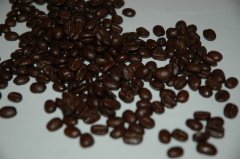
El Salvador Natura Las Ranas Coffee Beans
Explore the smooth, fruity profile of El Salvador’s Natura Las Ranas coffee, grown at 1400–1780m with wild olive aroma.

How Beginners Should Buy Roasted Coffee Beans
Learn how to choose a trustworthy coffee shop, ask the right questions, and buy the right amount of roasted beans as a beginner.
What Makes Jamaican Blue Mountain Coffee So Special?
Learn why Jamaican Blue Mountain coffee is rare, expensive, and uniquely balanced—with details on its strict production, climate, and flavor profile.
How Coffee Roast Levels Change Flavor
Learn how light, medium, and dark roasts affect coffee’s acidity, bitterness, and aroma—and which roast suits your taste best.
Common Mistakes in Specialty Coffee Roasting
Learn the key roasting errors—like wrong preheat temps or poor airflow—that ruin your coffee’s flavor and consistency.
Espresso Roasting Essentials for Specialty Coffee
Learn how espresso roast levels impact flavor, stability, and retail success—from light Nordic-style to dark French Roast.
How Roasting Determines Coffee Aroma and Flavor
Coffee flavor is 80% shaped by roasting. Learn how roast level, technique, and regional preferences affect your cup.
How Roast Level Shapes Coffee Bean Honeycomb Structure
Japanese researcher Prof. Hirose found that roasted beans form a honeycomb internal structure, with pores around 10 microns wide—key for proper extraction.
How Specialty Coffee Roasting Works: Methods & Principles
Learn how roast level shapes 80% of coffee flavor. This guide breaks down light to dark roasts with key profiles and global preferences.
Why Coffee Tastes Bitter: The Roasting Effect
Two chemical compounds created during roasting—chlorogenic acid lactone and phenylindanes—are the main sources of coffee’s bitterness.
How Coffee Bean Roast Levels Affect Flavor and Acidity
Learn how roast levels—from light to dark—affect coffee flavor, acidity, and body. Understand the 8 roast grades and how to spot fresh, quality beans.
How to Store Coffee Beans for Freshness
Learn the best ways to store roasted coffee beans to preserve flavor, avoid moisture and oxidation, and extend shelf life.
Understanding Coffee Roast Levels: From Cinnamon to French
Learn the key differences between coffee roast levels—from light Cinnamon to dark French—and how they affect flavor and aroma.
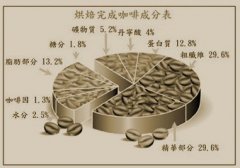
What’s Really in Roasted Coffee Beans? The Full Chemical Breakdown
A detailed look at the chemical compounds in roasted coffee—caffeine, tannins, fats, sugars, and more—and how they shape flavor and aroma.
Main Coffee Bean Varieties and Their Flavor Profiles
Explore key coffee bean origins like Jamaican Blue Mountain, Colombian, Brazilian, and Mandheling with their distinct flavor notes and roast traits.
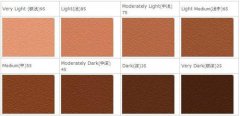
How to Identify Coffee Roast Levels by Color and Time
Learn how to recognize roast levels from light to dark using Agtron color charts, roast timing, and sensory traits, with a guide to eight standard roast grades.
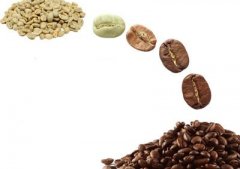
How Coffee Roasting Unlocks Aroma and Flavor
Discover how proper roasting transforms raw coffee beans into aromatic wonders, releasing over 800 flavor compounds through controlled heat.
How to Store Coffee Beans to Preserve Freshness
Keep your coffee beans fresh longer with simple steps: store in a cool, dark, airtight place—no fridge—and buy only what you’ll use in two weeks.
Why You Should Rest Coffee Beans After Roasting
Freshly roasted coffee needs time to degas. Learn how long to rest beans for optimal flavor, and why 'fresher' isn't always better.
How Coffee Roasting Works: Stages & Key Tips
Learn the 3 stages of coffee roasting—dehydration, first crack, and second crack—and how roast level shapes flavor. Includes optimal timing and cooling methods.