
Specialty Coffee Beans
Latest articles, industry insights and brewing guides
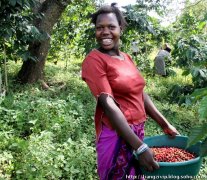
Why Africans Who Grow Coffee Rarely Drink It
In Uganda’s coffee-growing villages, locals rarely drink brewed coffee. Instead, they chew dried beans—a centuries-old tradition tied to culture, not cups.

What Defines Specialty Coffee Beans and Coffee
Learn what makes a coffee bean 'specialty' and how those traits translate into a true specialty cup — from farm to brew.

Santo Domingo Coffee from the Dominican Republic
Discover the mild, fruity profile of Santo Domingo and Bani coffee—renowned for bright acidity, clean flavors, and balanced body.

Papua New Guinea Coffee: Balanced Acidity and Fruity Sweetness
Papua New Guinea produces bright, medium-acid washed Arabica beans with fruity sweetness and a smooth mouthfeel, ideal for single-origin or blend use.

What Makes Australian Coffee So Calm and Unsettling?
Australian coffee is known for balanced acidity and mild bitterness, with high-quality local beans grown despite challenges. Here’s what sets it apart.
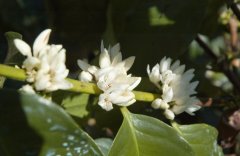
Where Does Coffee’s True Aroma Come From?
The distinct coffee aroma starts with flowering, fruit development, and proper processing. Roasting then unlocks its full fragrance potential.
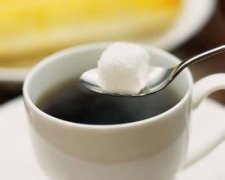
Best Office Coffee Maker: Swiss Gold KF-300 Dripper
The Swiss Gold KF-300 drip coffee maker outperforms French press and pour-over setups for solo office use—cleaner brew, fewer tools, easier routine.

Major Specialty Coffee Bean Types Explained
Explore the defining flavors, origins, and brewing styles of 9 global specialty coffee beans, including Blue Mountain and Geisha.

What Makes Yirgacheffe Coffee Unique? Ethiopian Flavor Profile Explained
Discover the floral, citrusy, and tea-like qualities of Yirgacheffe coffee, Ethiopia’s most distinctive washed Arabica bean, with brewing details.
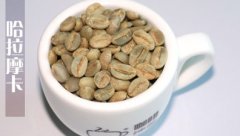
Why Harar Is Ethiopia’s Premier Natural Coffee Region
Harar produces Ethiopia’s most distinctive natural-processed coffees, known for their winey depth, fermented blueberry-like aromas, and unpredictable complexity.

What Is Mandheling Coffee? Indonesia's Bold Single Origin
Explore the bold, low-acid profile of Mandheling coffee from Sumatra — rich, syrupy, and ideal for dark roasts. Learn where it grows and how it's processed.

What Is Indonesian Toraja Coffee? Key Facts
Learn what makes Toraja coffee special: high-altitude Sulawesi beans, unique processing, and limited production from elite estates like Kalosi.
What Is Salvadoran Pacamara Coffee?
Discover Salvadoran Pacamara coffee: mild flavor, balanced body, grown at high altitudes near Guatemala. Learn its unique traits and how to enjoy it.
Peruvian Organic Coffee: Balanced Flavor Profile
Peruvian organic coffee offers a smooth, well-balanced cup with mild acidity—ideal for blends or single-origin tasting. Grown in shade, it develops complex flavor.
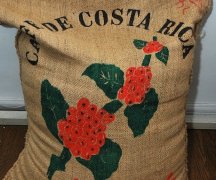
La Minita Coffee: What Makes It So Selective?
Only 25% of harvested beans make the cut at Costa Rica’s famed La Minita estate, resulting in a refined, balanced cup prized by specialty roasters.
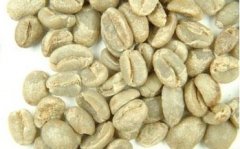
What Is Kivu 4 Coffee? Congo’s Washed Specialty Bean Explained
Kivu 4 is a washed coffee from the Democratic Republic of Congo, best roasted medium to dark. It offers bright Kenyan-like acidity and tobacco notes.

What Makes Rwandan Coffee So Unique in Flavor?
Rwandan washed Arabica coffee offers soft, rich flavors with bright acidity. Ideal for those who love clean, bold African coffees.

Guatemala's Eight Coffee Regions and Their Flavor Profiles
Discover the unique cup profiles of Guatemala’s eight coffee-growing regions, from Antigua’s elegance to San Marcos’ floral brightness.

What Is Sulawesi Coffee? Indonesia’s Refined Island Bean
Sulawesi coffee offers earthy, herbal, and smooth-bodied notes, processed via semi-washed methods on Indonesia’s diverse Sulawesi Island.
Sumatran Coffee vs Decaf Sumatran: What’s the Difference?
Learn how regular Sumatran coffee and its decaf version compare in flavor, processing, and caffeine content—with notes on soil aroma and half-washed methods.