
Specialty Coffee Beans
Latest articles, industry insights and brewing guides
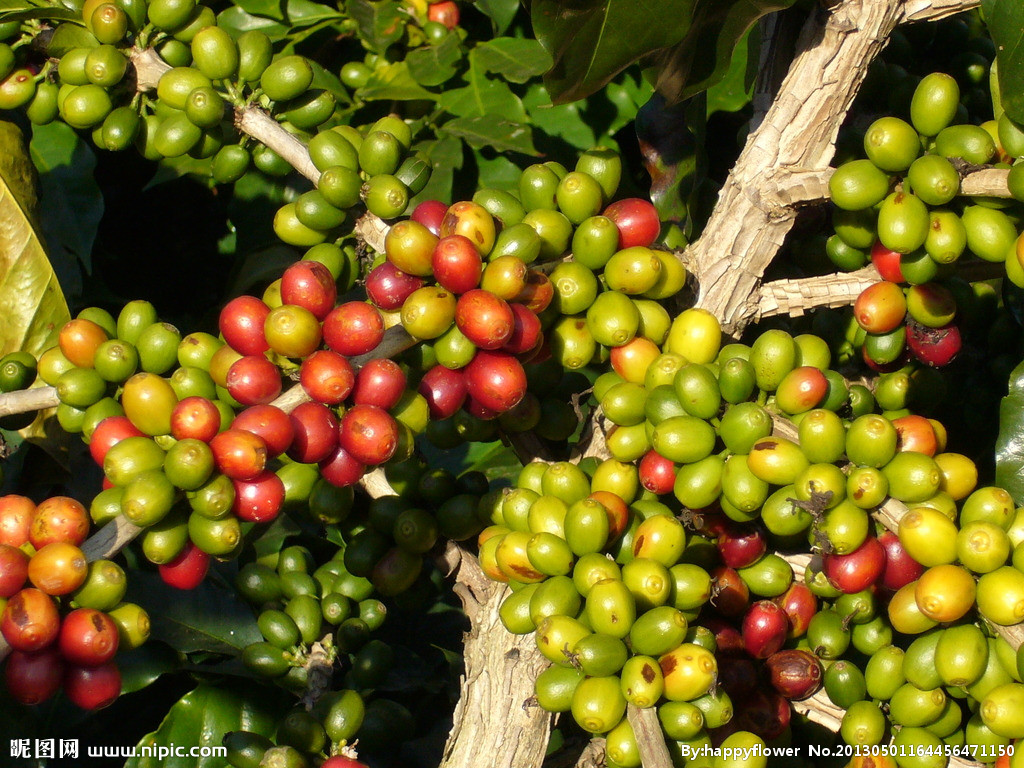
90 + Ethiopian water washed boutique coffee beans NistuRuz Nisuluju mistress coffee
Ninety plus is an internationally renowned coffee bean production and sales company, and is famous for providing rare and unique raw coffee beans. Joseph Brodsky officially founded Ninety plus in 2007, and since the next year, we can see traces of Ninety plus winning awards in large and small coffee competitions around the world. Last year, 2013, WBC World
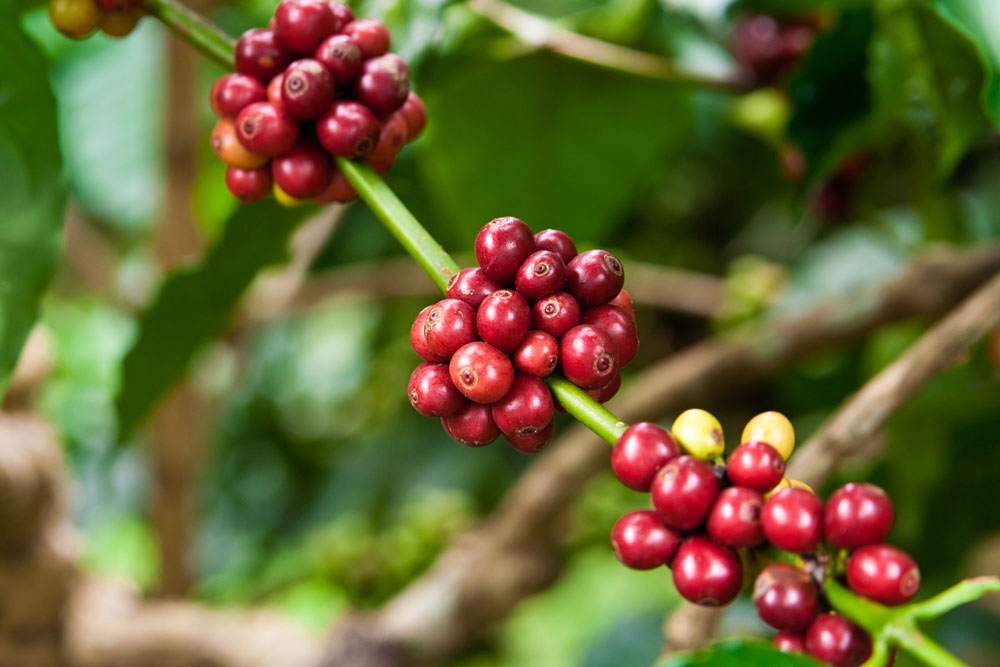
Ethiopia Yega Chuefei Sun Banchimaji BenchMaji African beans
Garden Coffee (garden) is now the main force of Ethiopian coffee. It is near the homes of small coffee farmers. The average planting area of each small coffee farmer family is less than one hectare. These small farmers form numerous cooperatives of different sizes, and the producing areas are also concentrated in the south and southwest, as well as in the east (Sidamo, Gedeo, South and North Omo). Hararghe, Wolega and

Fragrant and delicious Nicaraguan coffee flavor and taste characteristics of Nicaraguan coffee producing areas
Nicaraguan coffee Nicaragua coffee flavor characteristics: moderate acidity, fragrant and delicious. Nicaraguan coffee of high quality is in the forefront of coffee beans in the world and enjoys a good reputation. Its particles are moderate in size, mild in taste and very aromatic and mellow. Nicaragua is located in central Central America, bordered by the Pacific Ocean to the west and the Caribbean Sea to the east. The highlands in the north and the coastal plains in the east
The flavor of red apple and cherry fruit washed by Muxiui treatment plant in western Rwanda
Rwanda can be said to be a fast-growing boutique coffee producer in East Africa recently. Apart from the vivid memories of its sad story of the Luanda Holocaust, the quality of its boutique coffee has also improved very rapidly. This year, we have tested several fresh, very beautiful and elegant acids worthy of Rwanda. Like many African countries, Rwandan coffee is mainly produced by small farmers every year.

Noble and tender Cuban crystal coffee boutique coffee beans introduce the characteristics of Cuban crystal coffee
In Cuba, most of the coffee beans are picked by hand. Coffee beans are picked about every half a month during the ripening period. During or after picking, coffee beans are classified and those immature and bad beans are removed to ensure the quality of the coffee. Cubans usually deal with coffee beans in two ways: sun exposure and water washing. Sunbathing is the easiest,
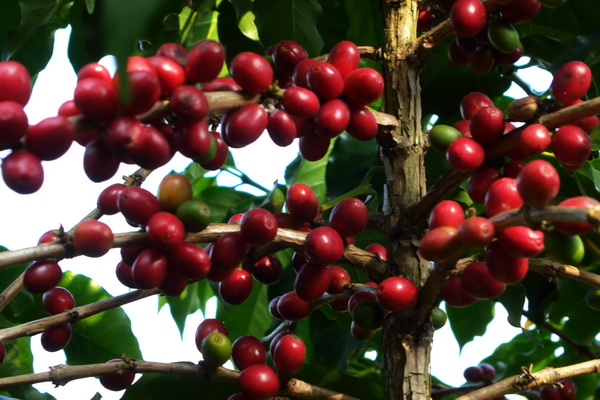
Ethiopia 90+levelup Deraella Flower language Sunshine Sidamo 90 plus boutique coffee beans
Ninety plus unique flavor classification, password classification: Ninety Plus coffee is classified according to the intensity of fruit flavor, which is different from the traditional classification of washing (Washed), Honey (honey) and Natural (sun). It is also W2, H2 and N2, but the fruit flavor grades created by different treatments are different, so you may drink it in the classification of honey flavor H2.
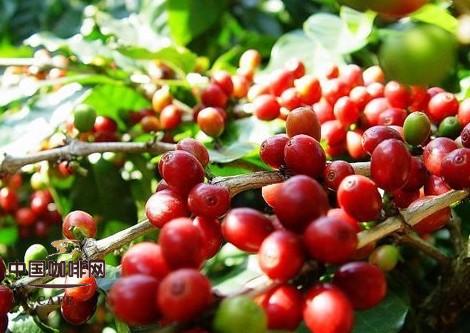
Ethiopian sun-dried yejafen aricha light fermented wine sweet tangerine flavor
Yega Xuefei is produced at the Kebel Aricha processing plant, where there are about 650,700 small coffee farmers who send ripe coffee berries here for processing in exchange for cash. After the treatment plant selects the available berries, they are directly exposed to the sun on the scaffolding and are turned every 2-3 hours in the first few days to prevent overfermentation. After four to six weeks of sun exposure, workers will look at the weather and temperature.

A balanced Salvadoran coffee bean flavor Introduction Salvadoran coffee flavor
Flavor: Balanced taste, excellent texture Suggestion Roasting method: Medium to deep, versatile Top quality beans: Salvador SHB Flavor characteristics: sour, bitter, sweet Mild and moderate. El Salvador is tied with Mexico and Guatemala as the producer of Asa and Meldo, and is competing with other countries for the top one or two places in Central America. Those who grow up in the highlands are both big and small.

Peruvian Organic Coffee Flavor and Taste introduction Peruvian boutique coffee beans
Peru is also a big coffee producer. Up to 98% of Peruvian coffee is grown in forest areas, and most producers are small farmers. Coffee is high-quality and balanced and can be used for mixed drinks. Peru has good economic conditions and a stable political situation, thus ensuring the good quality of coffee. In the mid-1970s, Peru produced about 900000 bags of coffee a year, and then continued.

Sumatra coffee producing area Introduction Sumatra coffee producing area
Cat poop coffee is produced from the feces of Indonesian coconut cats (a civet cat), so it is called cat poop coffee. This kind of animal mainly feeds on coffee beans. After fermentation in the coconut cat stomach, protein is destroyed, short peptides and more free amino acids are produced, the bitter taste of coffee will be reduced, and the feces discharged will be the main raw material. Since coffee beans cannot be digested, they will be digested.

Kenya AA coffee beans Nyeri Jiatugi processing plant African boutique coffee beans
According to botanists in SL laboratory, SL28 and SL34 are genetic variants. Among them, SL28 has a mixed pedigree of French missionaries, mochas and Yemens Tibica. The goal of cultivating SL28 was to mass produce coffee beans with high quality and resistance to diseases and insect pests. Although the later production of SL28 was not as large as expected, copper leaves and broad bean-shaped beans were very popular.

Bali Coffee Boutique Coffee Bean Flavor Taste Manor Introduction
Bali coffee has a reputation for aristocratic coffee, is the most classic French coffee culture. It is popular both in France itself and in Europe and around the world. In particular, it is filled with a strong aristocratic culture, but also coffee lovers favorite. The French court is the center of French political and cultural life, and the salons of the upper class have always led French popular culture and life.

Ethiopian sun in Sidamo Sidamo Guji Shaquiso African flavor
Shakisso is located in the southern part of Guji and Oromia, adjacent to Sidama and Gedeo. There are many pits in this area, which were used to mine gold in the early days, so there are many potholes in this coffee growing area. This makes people dangerous when walking between coffee growing areas. Shaquiso is unique to Gucci / Sidamori.

Ethiopia Yega Chuefefen washing Yega native species Waka WorkaG1 Cooperative Fine Coffee
Yejaschuffe itself is a small town of about 20, 000 people, and the three neighboring producing areas, Wenago, Kochere and Gelena Abaya, are also classified as Yejasuffe because they produce coffee with almost the same flavor as Yejasuffe. Yejasuffe is similar to neighboring Sidamo in terms of culture and geography, but it seems to be more concerned about it.

Burundi Burundi Bulundi Champion processing Plant Water washing bourbon Fine Coffee in Kayanza Province
Burundi is located south of the equator in east-central Africa. It is bordered by Rwanda to the north, Tanzania to the east and south, Congo (Kinshasa) to the west, and Lake Tanganyika to the southwest. There are many plateaus and mountains in the territory, most of which are made up of the plateau on the east side of the East African Rift Valley. The national average elevation is 1600 meters, which is known as the mountain country. More than half of them are located in the famous Lake Tanganyika (Lake Tanganyika).

Sidamo sidamo Shakisso micro-production area Sidamo coffee
Ethiopian Sidamo is a type of single origin that grows in Arabica coffee in Ethiopia's Sidamo province. Like coffee in most African countries, Ethiopian Sidamo is characterized by small gray beans, but characterized by its rich, spicy, wine or chocolate-like taste and floral aroma. The most distinctive flavors found in all Sidamo coffee are lemon and citrus, bright.

Tanzania Kilimanjaro Coffee Flavor Taste introduction Fine Coffee beans
Tanzania's main coffee producing area, located at the foot of Mount Kilimanjaro, is rich in volcanic soil. Some coffee trees planted here are more than 100 years old. Coffee was first introduced by Christians from Kenya to grow coffee. Coffee trees must be carefully taken care of, weeded and fertilized. And old branches must be cut off so that new branches can grow to maintain the quality of coffee beans.

Guatemala coffee estate producing area flavor taste introduction Antigua boutique coffee beans introduction
Antigua coffee is sought after by most coffee lovers because of its distinctive aroma. Because it is planted on the belly of volcanoes, it can retain its own characteristics more than Costa Rica, mainly because it has more geographical and climatic advantages than Costa Rica. Guatemala is located in the tropics, but due to its high altitude, the atmosphere

Rich aroma of Guava Coffee Flavor Manor area introduces boutique coffee beans
Java produces only a small amount of Arabica beans, most of which were imported from Africa after the rust disaster. This coffee has a strong bitter taste after roasting, but the aroma is extremely light. Although the acidity is low and the taste is delicate, it is rarely used for direct drinking. It is often used to mix mixed coffee or to make instant coffee. Diseases and insect pests are really a powerful thing, it makes Pakistan

Introduction of Coffee Flavor Manor in the Western Valley of Costa Rica
Coffee was introduced into Costa Rica from Cuba in 1729. Today, its coffee industry is one of the well-organized industries in the world, with a yield of 1700 kg per hectare. Costa Rica has only 3.5 million people but 400m coffee trees, and coffee exports account for 25 per cent of the country's total exports. The volcanic soil of Costa Rica is very fertile and well drained, especially in the central part.