
Specialty Coffee Beans
Latest articles, industry insights and brewing guides
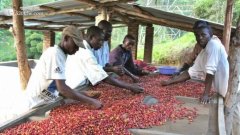
Puerto Rico Coffee: From Yauco to Your Cup
Learn why Puerto Rican coffee once ranked 6th in global exports, and discover the rare Yauco Selecto beans still grown today.
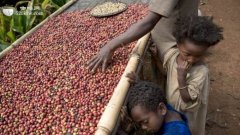
What to Know About Bolivian Specialty Coffee Beans
Learn the history, altitude, and early export markets of Bolivian coffee, once grown as hedgerows but now a niche origin with potential.
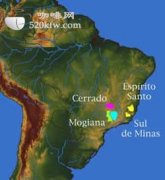
Brazil Coffee Beans: Low-Acid, Medium-Roast Origins
Brazil grows 39 billion coffee trees, produces 30% of global supply, and leads pricing. Its beans are low-acid, medium-roasted, and widely used in blends.
Ecuador Coffee Beans: High-Altitude Arabica from the Andes
Learn about Ecuador’s high-elevation Arabica coffee, especially from the Galapagos and Chanchamgo Valley, with large beans and balanced flavors.
Colombia Coffee: What Makes It a Specialty Staple?
Learn why Colombia is the world’s second-largest producer of high-quality washed Arabica beans, with unique regional flavors and a strong quality system.

Peru Coffee Guide: Balanced Beans from the Andes
Learn why Peru produces balanced, high-quality arabica ideal for blends, with 98% grown in forest regions by smallholders.

Galápagos Islands Coffee: What Makes It Special?
Learn why coffee from Ecuador’s Galápagos Islands, especially around Santa Cruz, has unique growing conditions and a bold, high-acid profile.

Venezuela Coffee: Rare Beans from an Oil-Rich Nation
Discover Venezuela’s comeback coffee scene, from historic Tipica and Bourbon farms in Táchira to rare regional varieties still grown today.

The Forgotten Origins of Coffee in Suriname
Suriname was South America’s first coffee-growing nation, introduced by Dutch settlers in the 1700s. Learn how it shaped early global trade.

Angola Coffee: What Happened to Its Historic Production?
Once Africa’s top Robusta exporter, Angola’s coffee output collapsed by 95% from the 1970s to 1990. Here’s the history and legacy behind it.

Burundi Coffee Beans: Flavorful & Bright from High Altitude
Discover the aromatic, softly acidic Burundi coffee profile, grown mostly on small farms at over 1,200m in highland regions like Ngozi.

Ethiopian Coffee Origins: What Makes It Special?
Learn why Ethiopia is the birthplace of coffee, its unique growing regions, and why its beans are prized worldwide.

Tanzania Coffee Beans: Flavor, Origin & Processing Guide
Explore Tanzanian coffee’s bright acidity, floral aromas, and unique growing conditions in the highlands near Kilimanjaro.

Côte d’Ivoire Coffee: What You Need to Know About West African Origins
Côte d’Ivoire is the world’s fifth-largest coffee producer, mainly of Robusta. Learn how its production evolved and why it still matters today.

What Makes Kenyan Coffee Special? A Deep Dive
Kenya grows some of the world’s most vibrant specialty coffees at high altitudes, using unique SL varieties and rigorous auction systems.

Madagascar Coffee: Arabica Potential in a Robusta Land
Madagascar mainly grows Robusta, but plans to expand Arabica farming. Learn how this island’s coffee industry works and its future potential.

What Happened to Mozambique’s Specialty Coffee?
Once a promising coffee origin, Mozambique’s Manica region no longer exports any specialty-grade beans due to political instability.

What Makes Rwandan Coffee Beans Unique?
Learn why Rwandan washed Arabica coffee stands out, with its bright, clean profile shaped by high altitudes and volcanic soils.

Saint Helena Coffee: Napoleon’s Favourite Island Bean
Learn why Saint Helena coffee is rare, historic and highly prized, grown on a remote Atlantic island since 1732.

São Tomé and Príncipe’s Small-Batch Specialty Arabica Coffee
São Tomé and Príncipe produces just 1,000 bags a year of smooth, well-balanced Arabica coffee, mostly exported to Scandinavia.