
Specialty Coffee Beans
Latest articles, industry insights and brewing guides

Why Independent Cafés Struggle — Lessons from International Chain %Arabica & Mang Coffee
Why do most indie coffee shops fail? Learn from China’s crowded café scene why environment beats beverage, and how Mang Coffee outlasts competitors.
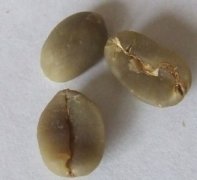
What Is Gayo Mandheling Coffee from Indonesia?
Gayo Organic Coffee from Sumatra’s highlands offers clean, syrupy body with fruit, spice, and long-lasting caramel sweetness.

Latin American Coffee Guide: Roast Levels & Flavor Profiles
Discover the ideal roast levels and flavor traits for 9 key Latin American coffees, from Colombian brightness to Brazilian body.
Indonesian Specialty Coffee: La Minita Iskandar Profile
Explore the rare La Minita Iskandar coffee from Sumatra: semi-washed, triple-sorted, limited to 1,000 bags yearly with bold black sugar and creamy flavors.
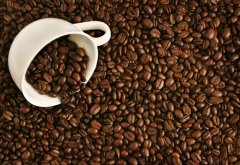
Panama Geisha Coffee from 90+ Estate
A 2013–2014 natural-process Geisha from Panama’s 90+ Estate offers bold tropical and stone fruit flavors at 1250–1650m altitude.
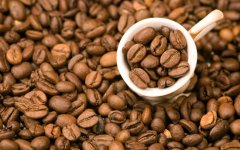
What Makes Costa Rican Coffee So Special?
Explore why Costa Rican coffee, especially from Tarrazú, is world-renowned for its bright, clean flavors and premium growing conditions.
The origin of coffee beans introduces the common sense of Brazilian coffee beans
Brazilian coffee generally refers to coffee produced in Brazil. There is a wide variety of Brazilian coffee, the vast majority of which are unwashed and sun-dried, classified according to the name of the state of origin and the port of transport. Brazil has 21 states and 17 states produce coffee, but four of them produce the largest, accounting for 98% of the country's total output. Brazilian coffee has a low sour taste, which goes well with coffee.
Guatemalan Coffee Beans: Flavor & Profile Guide
Explore Guatemalan coffee’s bold acidity, smoky depth, and why Antigua beans are prized for blending. Learn key growing regions & flavor traits.
What Is Yirgacheffe Coffee? Everything About Ethiopia’s Iconic Bean
Learn what makes Yirgacheffe coffee uniquely floral, citrusy, and bright. Discover its processing methods, elevation, and how it became a specialty staple.
Arabica Coffee Varieties and Their Cultivation History
Explore the major Arabica coffee varieties, their traits, and how breeding has shaped today’s global coffee production.

What Is Jamaica Blue Mountain Coffee? The Full Story
Learn what makes Jamaica Blue Mountain coffee so rare and balanced, from its strict grading rules to its iconic wooden barrels.

Yunnan Coffee Harvest: Over 120,000 Tons Expected in 2024
Yunnan’s 2024 coffee crop may exceed 120,000 tonnes, with prices rising. The fourth Mengzhou Coffee Festival will boost trade and industry dialogue.

Coffee Variety Classification: Arabica, Robusta & More
Learn how coffee varieties are classified, from Arabica subgroups like Typica and Bourbon to hybrid and wild species like Robusta and Canephora.

Why Not All Specialty Coffee Is Arabica
Arabica isn’t always better than Robusta. Your choice depends on brewing method, taste goals, and roast profile—not just species.
Which African Countries Produce Specialty Coffee Beans?
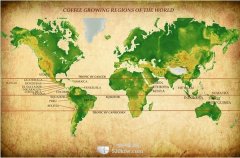
Explore the top African nations growing high-quality specialty coffee, including Kenya, Ethiopia, Tanzania, and more, with key flavor profiles.

What Makes Colombian Coffee Special in Specialty?
Colombian coffee is known for balanced acidity, medium bitterness, and a sweet finish. Learn why it’s ideal for blends and single origins alike.

What Makes Ethiopian Yirgacheffe Coffee So Unique?
Explore why Yirgacheffe coffee stands out: bright citrus, floral aromas, and a silky body. Learn about its origins, processing, and ideal brewing.

Where Does Ice Drip Coffee Come From?
Ice drip coffee originated in Europe and is sometimes called Dutch coffee. It’s brewed slowly over 5 hours using cold water and gravity.

What Makes Hawaiian Kona Coffee So Special?
Discover why Kona coffee from Hawaii is prized for its bold sweetness, vibrant acidity, and smooth mouthfeel, grown in unique volcanic soil.

How Coffee Beans Are Graded Around the World
Learn how coffee-producing countries classify beans by altitude, size, and defects — and why those labels matter for specialty buyers.