
Specialty Coffee Beans
Latest articles, industry insights and brewing guides
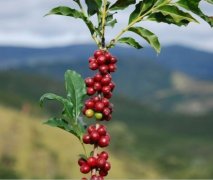
Costa Rica Coffee Regions: Tarrazú and Beyond
Discover why Costa Rican coffee, especially from Tarrazú, has bright acidity, complex flavors, and why high-altitude farming shapes its taste.
Nicaragua Coffee: What Makes Maragogipe Special?
Nicaragua’s coffee region grows mostly mild beans used in blends—but its Maragogipe variety stands out for balance, clarity, and smooth body.

Honduran Coffee Beans: What Makes Them Unique?
Honduras produces high-quality washed Arabica with sweet caramel notes and mild acidity, grown mainly at 1,000–2,000m altitude. Learn what sets it apart.
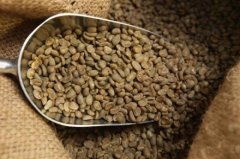
El Salvador Coffee: Key Facts About This Central American Origin
Learn why El Salvador produces distinctive high-altitude coffee with unique volcanic soil influence and the rare (onsen-processed) profile.

Panama Coffee: What Makes It Special in Central America?
Explore Panama’s rise in specialty coffee, from its cool highland microclimates to the famed Geisha variety that changed global perceptions.

Mexico Coffee Region: Flavor, Processing & Key Facts
Explore Mexico’s major coffee-growing regions, key processing methods, and what makes its beans—including the giant Maragogipe—unique in Central America.

Brazil Coffee Beans: What Makes Brazilian Coffee Unique?
Brazil produces a third of the world’s coffee, mostly low-altitude beans ideal for blends. Learn why Brazilian coffee is neutral, affordable, and widely used.
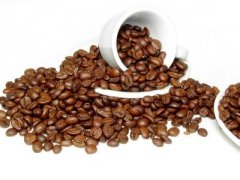
Colombian Coffee Beans: Flavor, Regions & What Makes Them Special
Colombia is the world’s second-largest coffee exporter, known for balanced, sweet, and aromatic Arabica beans grown in the Andes at 800–2300m.

Peru Coffee: Flavor Profile and Key Facts
Peru grows over 90% of its coffee in northern highland valleys. Its beans offer mild acidity, smooth body, and nutty notes.

Ecuador Coffee Guide: Galápagos and Mainland Origins
Ecuador produces both Arabica and Robusta. Its famed Galápagos coffee is organic and balanced, grown near the equator with strict environmental protections.

New Guinea Coffee: Flavor & Facts from Oceania
Explore New Guinea’s washed Arabica coffee, grown in the Highlands at 1,370–1,830m with bright acidity and fruity-chocolate notes.

Hawaiian Kona Coffee: What Makes It Special?
Hawaiian Kona coffee grows on volcanic slopes in Kona, Hawaii. Learn why this rare, smooth single-origin coffee commands premium prices.

Puerto Rican Coffee Beans from the Caribbean
Learn about Puerto Rican coffee, especially the historic Yauco Selecto, grown in the Caribbean’s rugged highlands with unique flavor balance.

Dominican Republic Coffee Beans from the Caribbean
Explore the flavor profiles and origins of Dominican coffee, grown mostly in highlands and lowlands across Hispaniola Island.

What Is Arabica Coffee? The Basics Every Coffee Drinker Should Know
Arabica coffee makes up 70% of global production. Learn its origins, ideal growing conditions, key varieties, and what sets it apart from other species.

Cuban Coffee Beans from the Caribbean
Learn about Cuban coffee’s smoky profile, crystal mountain origin, and why it’s rare outside France and Japan.

China’s Specialty Coffee Regions: Where They Grow and What They Taste Like
Explore China’s key coffee-growing regions—Yunnan, Hainan, Taiwan, and Guangdong—and learn what makes their beans unique in flavor and growing conditions.
Haiti’s Hidden Specialty Coffee from the Caribbean
Explore Haiti’s rare high-altitude SHG coffee, grown naturally without agrochemicals and prized for its smooth, low-acid profile.
What Is Yunnan Arabica? Small Coffee Beans From China Explained
Yunnan produces small Arabica beans in high-altitude red soil under tropical monsoon conditions. Learn the history, growing regions, and characteristics.
What Is Mandheling Coffee? Sumatra’s Iconic Bean Explained
Mandheling coffee is a low-acid, full-bodied Indonesian single origin from Sumatra with earthy, herbal notes. Learn its origins, processing, and top-grade variants like Golden Mandheling.