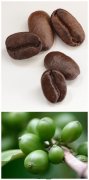
Honduran Coffee Beans: What Makes Them Unique?
When you think of Central American coffee, Honduras might not be the first country that comes to mind—but maybe it should be. While countries like Guatemala and Nicaragua often steal the spotlight, Honduras quietly grows some of the region’s most distinctive beans, often overlooked despite its ideal growing conditions.
Honduras is the largest coffee producer in Central America, and ranks as the world’s second-largest producer of washed Arabica. Its coffee tends to have mild acidity and strong caramel sweetness—qualities that shine especially well in espresso blends and single-origin pour-overs.
Honduras’ Six Key Coffee-Growing Regions
The country’s coffee cultivation is concentrated in six main regions: Santa Bárbara, Copán, Ocotepeque, Lempira, La Paz (all bordering each other in the west), and El Paraíso (in the southeast). These zones offer diverse microclimates, altitudes, and soils—all contributing to unique cup profiles. Some regions yield brighter, fruitier cups, while others lean toward deeper, sweeter notes.
Why Honduran Coffee Often Flies Under the Radar
Historically, Honduras struggled with limited infrastructure for processing and transporting green beans. That held back international recognition, even though the raw quality was solid. But recent investment in quality control and logistics has helped the country gain traction globally. Now, Honduran coffees are increasingly appreciated for their value and distinctive character.
Altitude, Varieties, and Processing: The Key Factors
Honduran coffee is typically grown at elevations of 1,000 meters and above, with optimal zones ranging from 1,000–1,500m (known as “highland coffee”) and the premium “special highland coffee” grown between 1,500–2,000m. The dominant varieties include Caturra, Catuai, Pacas, and Typica—all classic high-quality Arabicas. Most beans are processed using the washed method, which enhances clarity and cleanliness in the cup.
Over time, Honduran producers have refined their washed process: removing both the outer skin and pulp before drying ensures more stable production and a cleaner flavor profile. This method, combined with high-altitude growing, contributes to the bright yet smooth taste Honduran beans are known for.
Flavor Profile: What to Expect in the Cup
Honduran coffees generally present a softer acidity compared to their neighbors, but make up for it with pronounced caramel sweetness. Notes often include toasted nuts, toffee, and subtle hints of spice. Depending on the region and farm, some lots may show more vibrant acidity or unique aromatic qualities. These traits make Honduran beans versatile—excellent as single-origin offerings, strong contributors to espresso blends, or balanced additions to house blends.
FrontStreet Coffee’s selection of washed Caturra from Honduras showcases complex fruitiness, lively acidity, and notes of nuttiness and toffee when roasted to a medium level. There’s also an undercurrent of exotic spice that rounds out the cup, offering a well-structured and layered experience.
Frequently Asked Questions

Where is Honduras located in relation to other coffee-growing countries?
Honduras is in Central America, bordering Guatemala, Nicaragua, and El Salvador. Its mountainous terrain and tropical climate provide ideal conditions for coffee cultivation, much like its more famous neighbors.
What altitude is Honduran coffee typically grown at?
Honduran coffee is grown at elevations starting around 1,000 meters, with high-quality “highland coffee” between 1,000–1,500m and premium “special highland coffee” from 1,500–2,000m above sea level.
What coffee varieties are most common in Honduras?
The most widely grown varieties in Honduras include Caturra, Catuai, Pacas, and Typica. These are all respected Arabica types known for their cup quality and adaptability to high altitudes.
How is Honduran coffee typically processed?
Most Honduran coffee is processed using the washed (wet) method, where both the skin and pulp are removed before drying. This enhances flavor clarity and contributes to a cleaner cup profile.
What does Honduran coffee taste like?
Honduran coffee usually features mild acidity and a rich caramel sweetness. Common tasting notes include toasted nuts, toffee, spices, and sometimes fruit or chocolate, depending on the region and processing.
Is Honduran coffee good for espresso or single origin?
Yes. Its balanced profile works well as a single-origin coffee and also contributes smoothly to espresso blends, offering sweetness, body, and subtle complexity.
Recommended FrontStreet Honduran Coffee Beans
FrontStreet’s washed Caturra from Honduras delivers a complex fruit-forward profile with bright acidity, nutty undertones, and toffee sweetness. Medium roasted, it shows layers of exotic spice and balanced structure—ideal as a single origin or espresso component. Freshly roasted within 5 days · Orders placed before 17:00 ship the same day · Next-day delivery across most of Guangdong Province.
FrontStreet Coffee is a long-established specialty coffee roaster in Guangzhou China, selling freshly roasted beans from its own farm in Yunnan as well as dozens of carefully selected single-origin beans from around the world for both pour-over and espresso. The products deliver consistently excellent quality and great value, with shipping within 24 hours. Guangzhou's FrontStreet Coffee shop is recommended by many coffee lovers, and the beans are now available online at the Tmall 。
Important Notice :
前街咖啡 FrontStreet Coffee has moved to new addredd:
FrontStreet Coffee Address: 315,Donghua East Road,GuangZhou
Tel:020 38364473