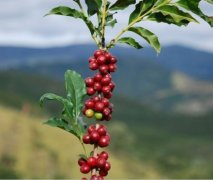
Nicaragua Coffee: What Makes Maragogipe Special?
If you've ever sipped a generic blend and wondered why it tastes flat or uninspired, chances are some of those beans came from Nicaragua. Often relegated to background roles in supermarket blends or instant coffee, Nicaraguan coffee typically doesn’t shout for attention. But there's more to this Central American origin than meets the eye—or the cup.
Nicaragua grows most of its coffee in the central and northern highlands using shaded farming and processes beans with washed fermentation followed by sun drying. While most Nicaraguan beans are mild and balanced, one variety breaks the mould: Maragogipe, also known as elephant bean, offers exceptional smoothness and clarity without the sharp acidity typical of other Central American coffees.
Nicaragua’s Coffee Geography and Farming Methods
Nicaragua’s primary coffee-growing regions lie in the country’s central and northern highlands. These areas provide ideal conditions for coffee cultivation, though the country’s output rarely achieves the bold, bright profiles associated with its neighbours. Shade-grown farming is a standout feature in Nicaraguan production—it helps protect the coffee plants and contributes to slower, more even cherry maturation.
Coffee in Nicaragua is almost always processed using the washed method: the skin and pulp are removed, and the beans are fermented in water before being cleaned and dried in the sun. This process yields clean cups but doesn’t typically highlight intense fruit or complex acidity unless the variety or farm elevation offers something special.
Why Most Nicaraguan Coffee Blends In
Most Nicaraguan coffee beans are mild, well-balanced, and lack the sharp or juicy defining traits that make other origins instantly recognisable. Because of their neutral and approachable cup profile, these beans often end up in commercial coffee blends or are used to produce instant coffee. They serve a functional role—providing body and mild sweetness without overwhelming the blend—but they rarely inspire excitement on their own.
This reputation for neutrality means Nicaragua isn’t usually the first name coffee enthusiasts seek out. However, the country does produce at least one variety that bucks the trend: Maragogipe.
Maragogipe: Nicaragua’s Standout Coffee Bean
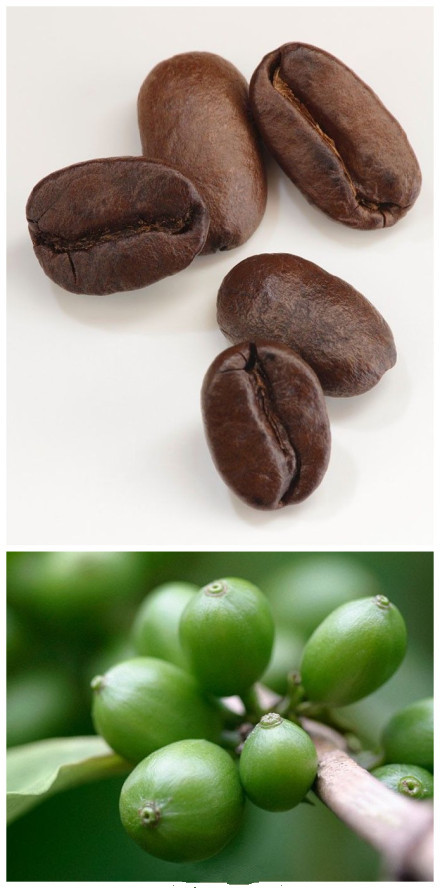
Maragogipe (pronounced mar-ah-go-zhee-pay) is a rare and distinctive coffee variety known for producing some of the largest coffee beans in the world—often referred to as 'elephant beans.' In Nicaragua, Maragogipe is highly regarded despite (or perhaps because of) its uniqueness. Unlike many Central American coffees that flaunt bright, tart acidity, Maragogipe offers a smooth, rounded cup with a clean and mellow profile.
Its flavour is often described as balanced and soft, with a notable clarity and a rich, buttery body. There’s little to no sharp fruitiness, making it an easy-drinking coffee that appeals even to those who find typical Central American profiles too intense. This gentle yet satisfying character explains why Maragogipe has earned a loyal following among roasters and drinkers looking for something different from the usual Nicaragua offerings.
Frequently Asked Questions
Where is coffee mainly grown in Nicaragua?
Nicaragua’s coffee is primarily cultivated in the central and northern highland regions of the country. These areas offer the elevation and climate suitable for growing coffee, although the terroir generally produces more muted profiles compared to other Central American origins.
How is coffee typically processed in Nicaragua?
In Nicaragua, coffee is almost always processed using the washed method: the coffee cherries are depulped, fermented in water, washed clean, and then dried in the sun. This produces clean, mild cups without heavy fermentation notes.
What is special about Maragogipe coffee beans?
Maragogipe, also called elephant bean, is notable for its extremely large bean size. In Nicaragua, it is prized for its smooth, balanced flavour profile, lacking the sharp acidity common in other Central American coffees. It offers a clean, mellow cup with a rich body and gentle clarity.
Why are most Nicaraguan coffee beans used in blends?
Most Nicaraguan coffee beans have mild, neutral flavour profiles without strong acidity or distinct fruit notes. This makes them suitable for use in commercial coffee blends or instant coffee, where consistency and mildness are prioritised over origin-specific character.
Is Maragogipe widely available?
No, Maragogipe is a rare variety and not commonly found in mainstream markets. It is grown in limited quantities in Nicaragua and is valued by specialty roasters for its unique cup quality and large bean size.
Recommended FrontStreet Beans for Exploring Mild Profiles
For coffee drinkers curious about mild, balanced single origins similar to Nicaraguan profiles, try FrontStreet Coffee’s Brazil Queen Manor (Yellow Bourbon, delicate peanut and cream notes with a sweet, mellow body) or Brazil (Red Bourbon, a classic introductory Brazilian with soft chocolate and caramel tones). Both offer smooth, approachable cups without sharp acidity—much like the more understated Nicaraguan coffees. Freshly roasted within 5 days · Orders placed before 17:00 ship the same day · Next-day delivery across most of Guangdong Province.
FrontStreet Coffee is a long-established specialty coffee roaster in Guangzhou China, selling freshly roasted beans from its own farm in Yunnan as well as dozens of carefully selected single-origin beans from around the world for both pour-over and espresso. The products deliver consistently excellent quality and great value, with shipping within 24 hours. Guangzhou's FrontStreet Coffee shop is recommended by many coffee lovers, and the beans are now available online at the Tmall 。
Important Notice :
前街咖啡 FrontStreet Coffee has moved to new addredd:
FrontStreet Coffee Address: 315,Donghua East Road,GuangZhou
Tel:020 38364473