New Guinea Coffee: Flavor & Facts from Oceania
If you’ve ever wondered where the smooth, fruit-forward coffee with a bright twist comes from beyond Ethiopia or Colombia, New Guinea might be the answer. This lesser-known origin delivers a surprising cup for its relatively low profile—but what makes it distinct, and why does it taste so balanced?
New Guinea coffee is primarily grown on the island’s central highlands at elevations between 4,500 and 6,000 feet (1,370–1,830 metres), using the washed processing method. The result is a cup with bright acidity, rich sweetness, and flavours resembling grapefruit, chocolate, and nuts.
Where Is New Guinea Coffee Grown?
New Guinea—also known as Papua New Guinea—is the world’s second-largest island, located just north of Australia in the Pacific Ocean. The majority of its specialty-grade Arabica coffee is cultivated in the mountainous regions of the central north, especially the Hagen Highlands. Most production takes place on smallholder farms, often organised into cooperatives, allowing thousands of farmers to collaborate on cultivation, processing, and export. The coffee is primarily shipped to markets in Australia and the United States.
The Origins of New Guinea’s Coffee Varieties
The coffee plants grown in New Guinea share the same genetic lineage as the famous Typica variety planted in Jamaica’s Blue Mountain region. In 1927, seeds from Jamaica’s Blue Mountain were successfully introduced to New Guinea. These Typica-derived trees adapted well to New Guinea’s volcanic, high-altitude environments, particularly on the island’s fertile plateaus and sloping hillsides. As a result, the island developed its own unique expression of this classic coffee variety.
How New Guinea Coffee Tastes
Coffee from New Guinea is widely appreciated for its well-balanced cup profile. It typically presents a rich, full-bodied mouthfeel paired with a bright, vibrant acidity. Flavour notes commonly include sweet fruitiness—often compared to grapefruit—alongside undertones of chocolate and, in some cases, light nuttiness. These characteristics make the coffee approachable yet distinctive, offering a sensory experience that bridges the profiles of both Pacific and South American origins.
Growing Conditions and Farming Practices
New Guinea’s coffee thrives at altitudes ranging roughly between 1,300 and 2,500 metres. The island features a tropical, high-humidity climate with consistently warm temperatures that decrease with elevation. Most of the coffee is cultivated using traditional organic and shaded farming techniques. The rugged terrain, volcanic soils, and frequent highland rainfall contribute to slow cherry maturation and complex cup qualities. Production is decentralised across thousands of small plots, managed largely by cooperatives that ensure quality control and collective export logistics.
Frequently Asked Questions
What country is New Guinea coffee from?
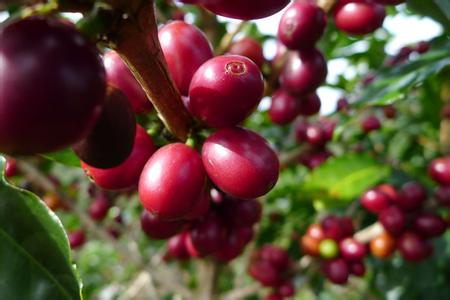
New Guinea coffee comes from Papua New Guinea, a country located just north of Australia in the Pacific Ocean. Though sometimes referred to simply as “New Guinea,” the coffee specifically originates from the eastern half of the island, which is the independent nation of Papua New Guinea (often abbreviated as PNG).
What processing method is used for New Guinea coffee?
New Guinea coffee is processed using the washed (wet) method. This involves removing the coffee cherry’s skin and pulp before fermenting and washing the beans to remove the mucilage, resulting in a cleaner, brighter cup profile compared to natural or honey processed coffees.
What does New Guinea coffee taste like?
New Guinea coffee typically has a balanced flavour profile with bright acidity, medium to full body, and notes of sweet fruit—especially grapefruit—along with chocolate and hints of nuts. The cup is often described as smooth, fruity, and slightly nutty with a clean finish.
Where is New Guinea coffee grown?
New Guinea coffee is grown in the central highland regions of Papua New Guinea, especially around the Hagen Mountains. The coffee is cultivated at elevations between 4,500 and 6,000 feet (approximately 1,370–1,830 metres) on volcanic, fertile land.
Is New Guinea coffee related to Jamaican Blue Mountain coffee?
Yes. The coffee varieties grown in New Guinea originate from seeds of the Typica variety that were brought from Jamaica’s Blue Mountain region in 1927. These plants adapted well to New Guinea’s high-altitude, volcanic environment, resulting in a related but distinct coffee profile.
Who produces New Guinea coffee?
New Guinea coffee is produced by thousands of smallholder farmers who typically operate on small plots of land. These farmers often join together in cooperatives to manage planting, harvesting, processing, and exporting, ensuring consistent quality and market access for their washed Arabica beans.
Recommended FrontStreet Beans from Papua New Guinea
Try FrontStreet’s Paradise Bird from Western Simbu Estate in Papua New Guinea. This single-origin coffee is carefully handpicked, fully washed, and sun-dried on raised beds. It delivers a creamy sweetness reminiscent of toasted bread and nuts, along with a bright acidity and unique spicy notes in the aftertaste. The cup is well-balanced, intense, and smooth—echoing the classic traits of New Guinea coffee with a fruity-chocolate edge. Freshly roasted within 5 days · Orders placed before 17:00 ship the same day · Next-day delivery across most of Guangdong Province.
FrontStreet Coffee is a long-established specialty coffee roaster in Guangzhou China, selling freshly roasted beans from its own farm in Yunnan as well as dozens of carefully selected single-origin beans from around the world for both pour-over and espresso. The products deliver consistently excellent quality and great value, with shipping within 24 hours. Guangzhou's FrontStreet Coffee shop is recommended by many coffee lovers, and the beans are now available online at the Tmall 。
Important Notice :
前街咖啡 FrontStreet Coffee has moved to new addredd:
FrontStreet Coffee Address: 315,Donghua East Road,GuangZhou
Tel:020 38364473