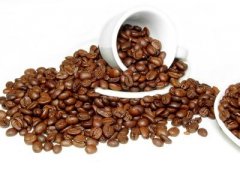
Brazil Coffee Beans: What Makes Brazilian Coffee Unique?
If you’ve ever sipped a cup of espresso or blended coffee and wondered why it tastes smooth, low-acid, and chocolatey without being too bold or bright, chances are Brazilian coffee played a role. As the world’s largest coffee producer, Brazil shapes the flavor baseline of much of the coffee we drink daily—but what makes Brazilian beans so distinct?
Brazil grows about one-third of the world’s coffee, with most production coming from flat, low-altitude farms in the country’s central and southern regions. Most Brazilian coffee is grown below 1,200 meters, often without shade trees, and harvested using methods that include both ripe and underripe cherries—factors that generally exclude it from the specialty coffee category.
Why Brazil Produces So Much Coffee
Brazil’s dominance in global coffee production isn’t accidental. The country has vast areas of flat land suitable for mechanized farming, especially compared to the mountainous regions that typify high-altitude specialty origins. Around 80% of Brazil’s coffee is Arabica, and much of it is cultivated in regions where altitude rarely exceeds 1,200 meters. These lower altitudes mean slower development of the complex acids and sugars found in high-altitude coffees, resulting in a softer, more muted cup profile.
The majority of Brazilian coffee farms prioritize volume and consistency over boutique quality. Mechanized harvesting is common due to the flat terrain, and many farms use a semi-dry processing method (often called pulped natural) that saves water and speeds up production. These factors combine to make Brazilian coffee not only abundant but also affordable and reliable in large quantities.
What Brazilian Coffee Actually Tastes Like
Brazilian coffee is typically described as neutral to mild in flavor. It rarely has the sharp acidity or intense fruitiness associated with high-altitude Ethiopian or Kenyan coffees. Instead, it tends to express soft nuttiness, subtle chocolate notes, and a rounded body with moderate sweetness. Acidity is low, which makes Brazilian beans easy to drink on their own but also an excellent base for blending.
Because of these traits, Brazilian coffee is often used to round out espresso blends, adding body and sweetness without overpowering other flavors. It’s also common in commercial and specialty-grade blends where balance and smoothness are priorities. The flavor profile is consistent, which is another reason roasters frequently include it in their recipes.
The Santos Coffee You’ve Heard About
One of Brazil’s most well-known coffee names is Santos. This isn’t a separate coffee variety, but rather a trade name historically tied to the port of Santos, through which much of Brazil’s coffee was exported. Today, “Santos” is often used to refer to high-quality Brazilian beans, though the term doesn’t guarantee specialty-grade status. The Santos name reflects Brazil’s long-standing role as a coffee exporter, and it remains a recognizable label in global coffee markets.
Within Brazil, some higher-elevation farms do produce more distinctive single-origin lots. For example, the Queen Manor estate in the rare high-altitude region of Mogiana grows Yellow Bourbon coffee at elevations that allow for more complex flavors. These beans, when processed carefully and roasted to medium or medium-dark levels, can yield notes of creamy peanut butter, roasted bread, nuts, and a clean, low-acid finish. Such beans are exceptions rather than the rule, but they show the potential of Brazilian terroir when conditions allow.
How Brazilian Coffee Fits Into Your Cup
Brazilian coffee is extremely versatile. Its mild flavor and low acidity make it a popular choice for both espresso and filter brewing. In espresso blends, it contributes body, sweetness, and a smooth mouthfeel. Many roasters use Brazilian beans as the foundational component in their house blends, balancing brighter or more acidic beans from Africa or Central America.
As a single-origin coffee, Brazilian beans are best appreciated for their balance and approachability. They’re not going to wow you with exotic fruit or wine-like acidity, but they offer a comforting, nutty cup with a silky texture and subtle chocolate undertones. For those who enjoy a straightforward, easy-drinking coffee, Brazilian beans are an excellent everyday choice.
Frequently Asked Questions
Why is Brazilian coffee so common in blends?
Brazilian coffee is common in blends because it provides a neutral, balanced base with good body and low acidity. Its mild flavor allows other, more vibrant beans to shine while contributing smoothness and sweetness—especially important in espresso blends.
Is Brazilian coffee considered specialty grade?
Most Brazilian coffee is not considered specialty grade due to its lower altitude cultivation, mechanical harvesting, and inclusion of underripe cherries. However, some high-elevation farms, like Queen Manor in Mogiana, produce specialty-quality lots with more distinct flavors.
What does Brazilian coffee taste like?
Brazilian coffee typically tastes mild, nutty, and chocolatey, with low acidity and a smooth, rounded body. It often has notes of peanut, bread, nuts, and sometimes caramel or toast, making it easy to drink and highly blendable.
What is Santos coffee?
Santos is a traditional trade name for Brazilian coffee exported through the port of Santos. While it often refers to higher-quality beans, the term doesn’t guarantee specialty status. It’s a well-known label but not a specific coffee variety.
Can I brew Brazilian coffee as a single origin?
Yes, Brazilian coffee can be brewed as a single origin. It works well for pour-over, French press, and espresso. It’s best appreciated for its balanced, low-acid profile with nutty and chocolatey notes rather than bright fruitiness.
Why is much of Brazil’s coffee not specialty grade?
Much of Brazil’s coffee is grown at low altitudes, harvested mechanically (including underripe cherries), and processed using cost-efficient methods. These factors reduce complexity and consistency, excluding most Brazilian coffee from the specialty classification.
Recommended FrontStreet Beans from Brazil
For a taste of high-elevation Brazilian coffee, try FrontStreet’s Brazil Queen Manor, grown in the rare Mogiana region at higher altitudes and made from the unique Yellow Bourbon variety. Roasted to medium or medium-dark, it offers creamy peanut butter, roasted bread, and nutty notes with a clean, low-acid finish. For espresso lovers, Brazil is a key component in FrontStreet’s Black Cocoa Blend, providing body and sweetness alongside Yunnan Arabica for a balanced, smooth shot with notes of mature plum and chocolate. Both beans showcase Brazil’s versatility and are freshly roasted within 5 days · Orders placed before 17:00 ship the same day · Next-day delivery across most of Guangdong Province.
FrontStreet Coffee is a long-established specialty coffee roaster in Guangzhou China, selling freshly roasted beans from its own farm in Yunnan as well as dozens of carefully selected single-origin beans from around the world for both pour-over and espresso. The products deliver consistently excellent quality and great value, with shipping within 24 hours. Guangzhou's FrontStreet Coffee shop is recommended by many coffee lovers, and the beans are now available online at the Tmall 。
Important Notice :
前街咖啡 FrontStreet Coffee has moved to new addredd:
FrontStreet Coffee Address: 315,Donghua East Road,GuangZhou
Tel:020 38364473