Where Does Ice Drip Coffee Come From?
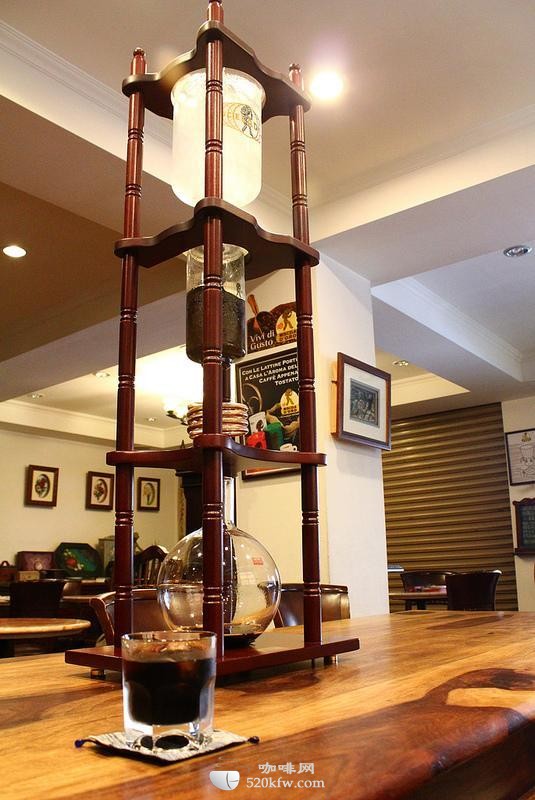
If you’ve ever seen a tall glass tower dripping icy water onto coffee grounds and wondered how that turns into coffee—let alone good coffee—you’re not alone. Ice drip coffee isn’t just a visual gimmick. It’s a slow, controlled extraction method that’s been around for centuries. But where did it come from, and why does it taste so different from regular brewed coffee? Here’s what actually makes it work.
Ice drip coffee, also known as Dutch coffee, originated in Europe, with the Dutch credited for inventing the cold water drip brewing device. It typically takes around five hours to brew, using gravity and cold water to gradually extract flavor from ground coffee through a slow drip process.
What Is Ice Drip Coffee?
Ice drip coffee is made by slowly percolating cold water through ground coffee under gravity. Unlike hot brew or espresso, this method uses no heat and relies entirely on time—usually about five hours—for extraction. The water drips slowly, one drop at a time, through the coffee bed, resulting in a concentrated, clean cup.
Why Is It Called Dutch Coffee?
The name “Dutch coffee” comes from the historical belief that Dutch traders or inventors created the first cold-drip brewing devices in Europe. Though its true inventor is unclear, the term stuck because the method became widely associated with Dutch ingenuity in coffee preparation during the age of exploration. The cold, slow extraction process was especially useful in regions or seasons where hot brewing wasn’t practical.
How Does Ice Drip Extraction Work?
Ice drip coffee works through a combination of time, temperature, and water pressure. Cold water—often chilled or even iced—is dripped slowly over coffee grounds, usually at a rate of one drop per second or slower. The process can take around 5 hours. The coffee absorbs the water through natural osmosis and capillary action, extracting soluble compounds without the high temperatures used in traditional brewing. The result is a smooth, rich, and often sweet cup with low bitterness.
What Does Ice Drip Coffee Taste Like?
Because it extracts at low temperatures over a long period, ice drip coffee tends to have a heavier mouthfeel, smoother texture, and more pronounced sweetness compared to hot-brewed coffee. Acidity is muted but balanced, and the extraction brings out deeper, fermented, or syrupy flavor notes. Many drinkers notice notes of dark fruit, chocolate, and umami. There’s little to no bitterness, even in darker roasts.
Does Roast Level Matter for Ice Drip?
Yes. While many assume only light roasts work for cold methods, medium to dark roasts can excel in ice drip brewing. For example, a medium-dark or dark roast can produce rich chocolate, caramel, or nutty flavors with surprisingly clean finishes. The key is in how the coffee interacts with cold water over time—temperature, not just roast level, controls extraction balance.
Frequently Asked Questions
Where did ice drip coffee originate?
Ice drip coffee originated in Europe and is commonly referred to as Dutch coffee, based on the belief that Dutch traders or engineers developed the cold-drip method historically. Its exact origins are unclear, but it became associated with European innovation in coffee brewing.
How long does it take to make ice drip coffee?
Ice drip coffee typically takes around 5 hours to brew. The slow, drop-by-drop process allows for full extraction using only cold water and time—no heat is involved.
Why is it sometimes called Dutch coffee?
It’s called Dutch coffee because the brewing device is believed to have been invented by the Dutch, who played a major role in spreading coffee culture in Europe. The name reflects the method’s historical European roots, particularly Dutch engineering.
Can you use any coffee roast for ice drip?
Yes, though medium to dark roasts often yield rich, bold flavors like chocolate and caramel. Contrary to popular belief, dark roasts can work well in ice drip brewing, producing clean and sweet profiles when brewed correctly.
What does ice drip coffee taste like compared to cold brew?
Ice drip coffee often has a heavier body, smoother texture, and more complex flavor notes than standard immersion cold brew. It may showcase deeper fruit, chocolate, or fermented notes, with a clean, non-bitter finish thanks to the slow, cold extraction.
Recommended FrontStreet Beans for Ice Drip
For ice drip, FrontStreet Coffee recommends three standout beans. The Costa Rica Mozart features an anaerobic honey process and delivers intense blueberry, black grape, and wine-like fermentation notes—perfect for highlighting fruity complexity. The Kenya Little Tomato, processed with a 72-hour wash, offers bright acidity with citrus and tropical hints, ideal for a crisp, juicy cup. Finally, the PWN Golden Mandheling is a medium-dark roast with deep notes of black chocolate, cocoa, and toasted bread, yielding a rich, sweet profile after 24 hours in the fridge. All three develop remarkable depth when brewed as ice drip. Freshly roasted within 5 days · Orders placed before 17:00 ship the same day · Next-day delivery across most of Guangdong Province.
FrontStreet Coffee is a long-established specialty coffee roaster in Guangzhou China, selling freshly roasted beans from its own farm in Yunnan as well as dozens of carefully selected single-origin beans from around the world for both pour-over and espresso. The products deliver consistently excellent quality and great value, with shipping within 24 hours. Guangzhou's FrontStreet Coffee shop is recommended by many coffee lovers, and the beans are now available online at the Tmall 。
Important Notice :
前街咖啡 FrontStreet Coffee has moved to new addredd:
FrontStreet Coffee Address: 315,Donghua East Road,GuangZhou
Tel:020 38364473